7 Steps to a Successful Accommodation Planning Checklist
- Steve Sadler

- Jan 22
- 27 min read
Updated: May 15

Organising accommodation for guests in Elgin often brings up more questions than answers. You want visitors to feel comfortable and cared for, but there are countless details to consider, from accessibility and location to amenities and clear communication. With unique needs and expectations, every guest requires thoughtful planning well before arrival.
By using expert strategies grounded in real hospitality research, you can sidestep common pitfalls and deliver a memorable experience for every visitor. Get ready to discover practical steps that will help you cover everything from guest requirements to booking logistics and safety. Each insight in the list ahead offers actionable guidance to make hosting smoother and more successful.
Table of Contents
Quick Summary
Takeaway | Explanation |
1. Understand Guest Needs Thoroughly | Collect detailed information about mobility, dietary, and accessibility requirements to tailor accommodations effectively. |
2. Prioritise Strategic Location | Choose accommodation close to key destinations to enhance guest convenience and satisfaction throughout their stay. |
3. Evaluate and Maintain Facilities | Regularly assess the quality of facilities and ensure they function well to meet guest expectations. |
4. Ensure Clear Communication | Maintain open, prompt, and transparent communication with guests to prevent misunderstandings and build trust. |
5. Create Customised Welcome Packs | Prepare personalised welcome packs to address specific guest needs and provide essential information upon arrival. |
1. Assess Guest Requirements and Special Needs
Before your guests arrive, you need to understand exactly what they require. This foundational step prevents confusion, reduces stress, and ensures every person feels genuinely welcomed when they step through your door.
Assessing guest requirements means gathering specific information about your visitors before their arrival. You’re looking for details about mobility needs, dietary preferences, accessibility requirements, allergies, or any other considerations that affect their comfort. This isn’t about making assumptions or offering generic solutions. Each guest is unique, and their needs deserve personalised attention.
Why does this matter? When you know what your guests need beforehand, you can prepare your accommodation properly. You might arrange ground floor rooms for guests with mobility challenges, stock specific dietary items, ensure quiet rooms for those who need them, or arrange transport from the train station. The difference between adequate accommodation and exceptional service comes down to these details.
Start by creating a simple check-in form or questionnaire that guests complete when making their booking. Include questions about accessibility requirements, dietary restrictions, allergies, mobility considerations, and any special requests. Some guests will have straightforward needs like extra pillows or a high chair. Others might require reasonable accommodations in specific areas such as accessible bathroom facilities or ground floor positioning.
For event planners coordinating group bookings, this step becomes even more critical. When hosting multiple guests for corporate events or celebrations, you’re managing varied needs simultaneously. A group of 20 might include guests with hearing aids, wheelchair requirements, vegetarian diets, and preferences for quiet spaces. Gathering this information upfront means you can coordinate efficiently rather than scrambling on arrival day.
Here’s what separates good hosts from great ones: they actively listen to what guests communicate. Some guests won’t mention needs unless asked directly. Others will share specific preferences if you create an environment where they feel comfortable doing so. Your questionnaire should feel welcoming and non-judgmental. Phrase questions like “Is there anything that would make your stay more comfortable?” rather than making assumptions about what people might need.
Consider also that some guests won’t know exactly what they need until they arrive. A parent with young children might discover they need a cot or high chair. A guest with a chronic condition might realise they need extra time in the mornings. Build flexibility into your planning so you can adapt quickly when guests communicate new requirements after arrival.
Documentation is your friend here. Keep detailed notes about each guest’s needs in a system you can access easily. Whether you use a simple spreadsheet or a booking management platform, having this information recorded means any team member can serve your guests properly. When guests arrive and mention they need assistance, your staff immediately knows what you’ve arranged.
When planning accommodation for business events or client entertainment, remember that guests often feel vulnerable in unfamiliar spaces. They’re away from home, possibly stressed about their purpose for visiting, and navigating a new environment. Anticipating their needs shows genuine care and professionalism. A client visiting from London appreciates knowing you’ve arranged parking, understood their coffee preference, and prepared a quiet workspace if they need to work remotely.
Communicate back to guests what you’ve arranged. If someone requested a gluten free breakfast, confirm before arrival that you’ve sourced appropriate options. If you’ve set up a mobility accessible room on the ground floor, let them know it’s ready. This reassurance builds confidence and shows you’ve taken their requirements seriously.
Professional tip Create a pre arrival email template that confirms all special requests and asks if anything else has occurred to them since booking. This final check catches last minute needs whilst giving guests peace of mind that you’re genuinely prepared for their visit.
2. Select Accommodation with Strategic Location
Location determines whether your guests have a smooth, enjoyable experience or spend their visit frustrated and exhausted. Choosing the right accommodation site shapes everything from guest satisfaction to the success of your events.
Strategic location means selecting accommodation that positions your guests close to what matters most during their stay. Whether they’re visiting Elgin for business, leisure, or special events, proximity to key destinations, transport links, and essential services dramatically affects their experience. You’re not just booking a room; you’re choosing a basecamp that sets the tone for their entire visit.
Why does location matter so much? Research consistently shows that location shapes hospitality business success by influencing guest satisfaction and operational efficiency. Guests value accommodation that reduces travel time, provides easy access to their destinations, and positions them near amenities they’ll actually use. When your clients arrive for a business meeting in Elgin, they don’t want to spend 45 minutes commuting from a distant location. When families arrive for a celebration, they appreciate being within walking distance of restaurants and attractions.
Start by identifying what your guests need access to. For corporate clients, this might mean proximity to business districts or conference venues. For leisure visitors, it could be nearness to Elgin’s town centre, local attractions, or transport connections to other Scottish destinations. For event attendees, strategic location means accommodation clustered conveniently near your event space. The closer your guests are to their primary purpose, the more time and energy they have for enjoying their stay.
Transport connectivity is non-negotiable. Consider how guests will arrive and what they’ll need during their visit. Are they flying into Edinburgh and driving to Elgin? Accommodation with straightforward road access saves them stress. Will they rely on public transport? Being near bus stations or train connections opens your property to guests who won’t hire cars. Accessibility matters profoundly here. Guests shouldn’t spend their first evening lost or anxious about navigation.
Proximity to essential services makes a tangible difference. Guests appreciate knowing that pharmacies, restaurants, coffee shops, and shops are nearby if they need anything. This becomes particularly important when hosting guests with specific requirements. If someone requires dietary accommodations, being near specialist food shops or quality restaurants gives you options. If a guest has mobility challenges, having services within reasonable distance prevents them from feeling isolated or dependent.
When selecting locations where guests can access essential services easily, you’re addressing one of their core concerns. Guests don’t want to feel stranded. They want to know that if they need something, they can find it without excessive travel. This sense of security and independence significantly impacts their satisfaction with your accommodation.
For event planners in Elgin, clustering accommodation options means your guests can easily connect with one another. When attendees at a conference or celebration are spread across multiple hotels miles apart, they feel disconnected. When they’re housed within reasonable proximity to each other and your event venue, they form genuine connections and feel part of a community, even if they’re only visiting for a few days.
Consider safety and atmosphere when evaluating location. Guests want to feel secure in their surroundings. Well-lit areas, busy streets with regular foot traffic, and neighbourhoods known to be welcoming all contribute to guest confidence. Ask yourself whether you’d feel comfortable walking around this location at various times of day. If the answer is no, your guests won’t either.
Understand the character of different Elgin locations. Some areas offer vibrant nightlife and are perfect for leisure visitors. Others provide quiet, residential atmospheres ideal for guests needing rest before important meetings. Understanding these distinctions helps you match accommodation to guest type. Business travellers often prefer quieter locations with reliable parking and workspace. Holiday visitors might gravitate toward areas with restaurants, entertainment, and social energy.
Practically speaking, map out your accommodation options and overlay what your guests need. Draw circles around transport links, key destinations, and services. Which accommodation sits in the sweetest spot? Which might require guests to travel extensively? You don’t need a perfect location, but you should understand the trade-offs. If you’re choosing accommodation further from town centre but with exceptional parking and quieter atmosphere, be ready to explain why that’s an asset for your particular guests.
When hosting groups for events, work backwards from your venue. How long should it take guests to reach you? 5 minutes by car? 15 minutes? 30 minutes? Anything beyond 30 minutes typically frustrates guests and creates logistical complications. Build your accommodation selection around what’s realistic and convenient from your central location.
Professional tip Create a simple map showing your accommodation options, your main venue or destination, and key services like restaurants and transport links. Use this visual tool when presenting options to clients and when guests first arrive. Transparency about location helps them feel informed and confident about their stay.
3. Evaluate Facilities and Amenities
The difference between adequate accommodation and exceptional guest experiences often comes down to the quality and functionality of your facilities. Evaluating what you’re offering means looking honestly at everything from wifi reliability to bathroom standards to whether your kitchen equipment actually works.
Facilities and amenities are the tangible elements that either delight your guests or disappoint them. These aren’t luxuries. They’re the practical tools guests use during their stay. A reliable shower, comfortable bed, functioning kitchen, and responsive heating matter infinitely more to most guests than fancy decorations. When amenities work well, guests barely notice them. When they fail, guests notice nothing else.
Why does this evaluation matter? Your facilities directly influence guest satisfaction and your reputation. A guest arriving for a business meeting needs a quiet workspace and reliable internet. A family staying for a week needs a functional kitchen and laundry facilities. Event attendees want common areas where they can gather and socialise. You cannot know what you truly offer until you evaluate it systematically. Many accommodation providers assume their facilities are adequate without actually testing them under real conditions.
Start by conducting a thorough walkthrough of your accommodation. This means physically checking every room, every bathroom, every shared space. Test the showers. Actually sit on the beds. Try the wifi from different locations. Open all the windows and doors. Look for broken items, stains, or signs of wear. Document everything. What seems fine to you might frustrate a guest who’s paying for quality accommodation.
When evaluating bathroom facilities, remember that guests judge cleanliness and functionality immediately. Check that towels are genuinely clean and in good condition. Verify that showers have adequate water pressure and temperature control. Ensure that toilets function properly and that ventilation prevents moisture problems. Examine soap, shampoo, and toiletries. These small touches either say “we care about your comfort” or “we’re cutting corners.”
Bedding and sleeping arrangements deserve careful attention. Guests spend a third of their stay in bed. Mattresses should be clean, comfortable, and free from damage. Pillows should be supportive without being rock hard. Bed linens should be high quality and fresh. If a guest arrives and immediately notices stains, lumps, or a musty smell, nothing else about your accommodation will feel good. That experience colours their entire visit.
Wifi and connectivity have become non-negotiable amenities for most guests. Test your wifi strength throughout your property. Is it genuinely available everywhere guests need it, or do they lose signal in certain rooms? What’s the actual download speed? Can multiple guests stream simultaneously without problems? For business travellers and remote workers, poor connectivity is a dealbreaker. For families with children, it’s often what keeps them from getting bored during downtime.
When assessing interior facility conditions and amenity functionality, create a detailed checklist rather than relying on memory or assumptions. Include every room, every appliance, every fixture. Your checklist should cover heating and cooling systems, lighting, plumbing, kitchen equipment, and safety features. Don’t just note whether something exists. Note whether it actually works properly.
Kitchen amenities deserve particular scrutiny if you’re offering self catering accommodation. Check that your oven heats to proper temperatures. Verify that your cooktop burners work evenly. Test the fridge to ensure it maintains appropriate temperatures. Examine pots, pans, and utensils. Guests using your kitchen should have genuine cooking capability, not just the appearance of it. A family planning to prepare meals won’t appreciate discovering your oven is unreliable on their first night.
Common areas set the tone for group experiences. If you’re hosting event attendees or multiple guests, evaluate your communal spaces honestly. Are they welcoming and comfortable? Is there adequate seating? Are tables sturdy and clean? Is lighting appropriate? Is there noise insulation, or will guests in one area disturb those in another? Common areas can either encourage guests to gather and interact or feel empty and unwelcoming.
Systematic assessment of cleanliness and safety compliance across all areas protects your guests and your business. Check fire extinguishers are accessible and charged. Verify emergency exits are clear and marked. Ensure handrails are secure. Look for slip hazards in bathrooms and kitchens. These aren’t optional. They’re your responsibility.
Consider amenities that align with your guest demographics. Business travellers appreciate workspace, iron and ironing board, and good desk lighting. Families with children need high chairs, cots, or suitable sleeping arrangements for young ones. Visitors with mobility challenges need accessible bathrooms and entry points. Guests with dietary restrictions need basic kitchen capability or information about nearby restaurants.
Be realistic about what you’re actually offering. If your guest house doesn’t have a gym, don’t list fitness facilities. If your wifi is temperamental, don’t claim high speed connectivity. When you misrepresent amenities, guests arrive disappointed and frustrated. Honest descriptions of what you offer build trust and attract guests who want exactly what you provide.
Evaluate your amenities from a guest’s perspective rather than a provider’s perspective. You’re familiar with quirks and workarounds. Your guests won’t be. Something you’ve learned to accommodate might be genuinely problematic for someone experiencing it for the first time. Ask recent guests for feedback about specific facilities. Their honest answers reveal what matters and what needs attention.
Professional tip Schedule a quarterly amenity review where you test functionality as if you’re a first time guest arriving with high expectations. This practice catches problems before guests do and keeps your facilities feeling fresh and reliable rather than gradually deteriorating through neglect.
4. Plan Transportation and Accessibility
Getting guests to your accommodation and around Elgin should be straightforward, not stressful. Transportation planning and accessibility considerations are what separate inclusive hospitality from places where certain guests simply cannot visit comfortably.
Transportation and accessibility planning means thinking through every journey your guests will make. From the moment they arrive in Elgin until they depart, you’re considering how they’ll move between transport hubs, your accommodation, their destinations, and local amenities. You’re also ensuring that your property itself is accessible to people with varying mobility levels, sensory abilities, and physical needs.
Why does this matter so profoundly? When guests worry about how they’ll get around, they cannot relax or enjoy their visit. A client with mobility challenges might skip your accommodation entirely if they’re unsure about parking or ground floor access. An elderly visitor might feel anxious about stairs and narrow doorways. A family with young children needs to know pushchairs fit through hallways and lifts exist if needed. When you plan for accessibility, you’re saying to every potential guest “you’re welcome here, and I’ve thought about your needs.”
Start by mapping transport connections to your property. Where do guests arrive? If they’re flying into Edinburgh, what’s the driving route to Elgin? Are there clear signs and straightforward navigation? If they’re using trains, how do they reach you from Elgin station? What about bus services? For guests relying on taxis or ride sharing services, is your address easily findable and your entrance clearly marked? The moment a guest arrives, transport logistics should be solved, not confusing.
Parking deserves serious consideration. Do you have dedicated parking spaces? Are they close to your entrance, or do guests need to walk far with luggage? Are spaces wide enough for people with mobility aids or those who need extra room? For visitors arriving by car, parking challenges instantly sour their experience. They’ve been travelling and they’re tired. Parking should be convenient and straightforward. If you don’t have parking, clearly communicate this upfront and provide specific guidance about where guests can park.
Accessible pathways matter from the moment guests step out of their vehicles. Is the route to your entrance level and well lit? Are there handrails where needed? Does the path have gentle grades rather than steep slopes? Are there obstacles like steps, tight corners, or uneven surfaces? Test this pathway yourself. Walk it with luggage. Imagine navigating it with a walking frame, wheelchair, or pushing a pram. What feels simple to you might present genuine challenges for others.
Your building entrance should be welcoming and accessible. Can guests easily find the entrance? Is there a doorbell or intercom that functions reliably? Can the door open with reasonable force, or is it stiff and difficult? Are there steps, or is the entrance level? If there are steps but no ramp option, you’ve immediately excluded guests with mobility challenges. Ground floor accommodation or lift access becomes essential in multi storey properties.
When considering accessible paths of travel and parking arrangements for events and accommodations, think about how guests with different abilities will navigate your space. Someone with a visual impairment needs clear pathways without unexpected obstacles. Someone with a hearing impairment might not hear announcements, so visual information becomes crucial. Someone with mobility challenges needs level or gently sloped access, wide doorways, and accessible bathrooms.
Interior accessibility requires attention to hallways, doorways, and room layout. Are hallways wide enough for wheelchairs or walkers? Are doorways at least 76 centimetres wide? Is there adequate space to move around beds and furniture? These measurements seem technical, but they determine whether someone can actually stay in your accommodation. A guest in a wheelchair cannot use a room with narrow doorways and furniture blocking pathways, regardless of how lovely the decor is.
Bathrooms represent a critical accessibility point. Install grab bars near toilets and in showers. Ensure bathroom floors are non slippery. Provide seating options for guests who cannot stand for long periods. Consider roll in showers or accessible bathtubs if your budget allows. Bathroom accessibility directly impacts dignity and independence for guests with mobility challenges. When bathrooms work well, guests can maintain their routines without anxiety or humiliation.
Stairs and lifts need honest evaluation. If you have multiple storeys, do you have a lift? Is it large enough for wheelchairs and luggage? Is it reliable? Stairs are barriers for many people. Wheelchair users, guests with mobility aids, and people carrying children or luggage all find stairs challenging. If you only offer stairs between levels, you’re functionally excluding guests with mobility needs.
Local transport connections make or break experiences for guests who don’t have cars. Research bus routes from your accommodation to key Elgin locations. Can guests easily reach restaurants, attractions, or business districts by public transport? Are bus stops within reasonable walking distance? Are there taxis available when guests need them? Provide this information upfront. A guest arriving without a car needs confidence that they can get around independently.
Ensuring accessible transport options and collaborating to meet diverse accessibility needs might mean arranging alternative transport for guests with mobility challenges. Could you arrange a shuttle service from the station? Could you partner with local taxi companies that offer wheelchair accessible vehicles? Could you provide information about mobility assistance services? Going beyond minimum requirements shows genuine commitment to inclusion.
Communicate accessibility features clearly in your booking materials and confirmation emails. Don’t assume guests will ask. Some people feel embarrassed disclosing accessibility needs. Others don’t realise you might have solutions. Proactively describing your accessible features welcomes guests to use them. Say “ground floor rooms available for guests requiring step free access” rather than waiting for someone to specifically request it.
Test your accessibility features regularly. A ramp that worked last month might have developed problems. Handrails get loose. Lift buttons wear out. Doorways get blocked with furniture. Regular inspection ensures your accessibility features actually function when guests need them.
Professional tip Create a simple accessibility information sheet describing your property’s features, transport connections, and local services, then provide this to every guest before arrival. This transparency builds confidence and lets guests plan their stay knowing exactly what to expect.
5. Coordinate Booking and Reservations
Booking and reservation coordination is where accommodation planning moves from theory into reality. Getting this step right means your guests arrive smoothly without confusion, and you maintain control over your property and resources.
Coordination means managing the entire booking process systematically. You’re handling inquiries, confirming availability, securing payment, managing cancellations, and communicating with guests before arrival. For single bookings this feels straightforward. For group events or multiple simultaneous reservations, coordination becomes complex quickly without proper systems.
Why does coordination matter? Poor booking management creates cascading problems. You might accidentally double book rooms. You might confirm reservations without securing deposits, leaving yourself vulnerable to no shows. You might fail to communicate special requests to staff, resulting in disappointed guests. You might lose track of guest details and have to ask arriving visitors for information you should already have. Chaos in booking creates chaos during arrival.
Start by choosing a booking system that works for your scale and needs. If you’re a small guest house handling a handful of bookings monthly, a simple spreadsheet might suffice. If you’re managing multiple properties or hosting group events, you need dedicated booking software. Systems like managing event housing and group accommodation logistics streamline the process by centralising information, automating confirmations, and preventing double bookings.
Establish clear booking policies before taking reservations. Define your cancellation policy. How far in advance can guests cancel without penalty? What happens if they cancel close to arrival? What’s your refund process? State your payment requirements. Do you require a deposit upfront, or full payment? What payment methods do you accept? Having these policies written and communicated upfront prevents disputes later.
When guests make inquiries, respond promptly and professionally. Speed matters. A potential client might book elsewhere if you take three days to reply. Ideally, respond within a few hours. Your initial communication should answer obvious questions about availability, pricing, and any special requirements they’ve mentioned. This sets a tone of attentiveness and reliability.
Confirmation emails are crucial. Once a booking is confirmed, send a detailed confirmation including dates, room details, pricing breakdown, check in time, check out time, cancellation policy, parking information, and any special arrangements. Make this email a reference document your guests will use throughout their booking period. Include your contact information and encourage them to reach out with questions before arrival.
Request any essential information you’ll need before guests arrive. Do they have mobility requirements? Dietary restrictions? Will they need high chairs or cots? Do they have mobility aids that require accessible bathrooms? Asking these questions during booking prevents scrambling to accommodate unexpected needs later. Build these questions into your booking form rather than contacting guests after they’ve booked.
Manage your room inventory carefully. If you have 10 rooms available, don’t accidentally commit 12 rooms through multiple bookings. Use your booking system to block unavailable dates and rooms. Track which rooms suit which guest types. If you have one accessible room, reserve it for guests who actually need it rather than letting it sit empty while you turn away guests with mobility requirements elsewhere.
For group bookings and events, coordination becomes even more critical. You’re managing multiple guests with varying needs, likely with someone coordinating on behalf of the group. Establish clear communication channels. Who’s your main contact? What happens if a group member needs to modify their booking? How will you handle payment from the group versus individuals? Clear processes prevent confusion and complaints.
Consider creating room blocks for group events. Rather than managing individual bookings, secure a block of rooms at negotiated rates. Your group coordinator handles communicating details to their attendees. This simplifies logistics significantly while often enabling you to offer better rates because of guaranteed volume.
Track deposits and payments meticulously. Know who’s paid, who hasn’t, and when final payment is due. Send payment reminders to guests who haven’t completed payment yet. Document everything. If a dispute arises later about what was agreed, your records protect you. Never assume a booking is confirmed until payment has been received.
Build in a confirmation check a few days before arrival. Send a brief email to guests confirming they’re still coming, reminding them of check in details, and offering a final opportunity to communicate any new requirements. You’ll catch last minute cancellations, and guests appreciate the reassurance that you’ve prepared for their arrival.
Prepare detailed arrival information for guests. How do they access the property? What’s the check in process? Where do they park? What are wifi passwords and other necessary information? Should they arrive at reception or go directly to their rooms? Do they need keys or key codes? The more information you provide in advance, the smoother arrival becomes.
For event planners hosting groups, managing bookings and coordinating guest transfers and logistics requires attention to timing and communication. When do guests arrive? How will they get from transport hubs to accommodation? When do they depart? Are there group activities or meals requiring coordination? Create a timeline and share it with all stakeholders.
Maintain communication with your accommodation providers if you’re booking on behalf of clients. Confirm details regularly. Address issues immediately rather than hoping they’ll resolve themselves. Good relationships with your accommodation partners make problem solving smoother when things inevitably go slightly wrong.
Document cancellations and modifications carefully. If a guest cancels, record the date, reason if provided, and what refund was processed. If booking details change, update your system and confirm the changes with the guest. This documentation protects you if disputes arise and helps you understand booking patterns and guest preferences over time.
Professional tip Create a pre arrival checklist that your staff completes for each booking, confirming that rooms are prepared, special requests are ready, accessibility features are functioning, and welcome information is laid out. This systematic approach ensures no detail is overlooked regardless of how busy you are.
6. Prepare Customised Welcome Packs
A thoughtfully prepared welcome pack transforms the moment guests arrive from feeling like they’re in a strange place to feeling genuinely cared for. These packs communicate that you’ve anticipated their needs and want them to feel at home immediately.
Customised welcome packs are curated collections of items and information tailored to your guests’ specific needs and context. Rather than generic welcome folders, you’re creating personal touches that acknowledge who your guests are and what they might need during their stay. For business travellers, this might mean professional items and work related information. For families, it might include children’s snacks and local family attractions. For guests visiting Elgin for events, it might feature specific information about venues and activities.
Why do welcome packs matter? They reduce guest anxiety immediately. Someone arriving in unfamiliar accommodation feels uncertainty. A well organised welcome pack answers unspoken questions and demonstrates competence. It says “we’ve thought about this” and “you’re in capable hands.” Guests who feel welcomed from day one become satisfied guests who recommend you to others. Welcome packs create positive first impressions that colour the entire stay.
Start by understanding who your guests are. Are they business travellers who need workspace information and reliable wifi passwords? Are they families who need babysitting recommendations and local children’s activities? Are they event attendees who need venue directions and group activity schedules? Are they visitors with specific dietary needs or accessibility requirements? Your welcome pack should reflect these realities.
Creating welcome packs with practical information and personalised touches significantly enhances guest satisfaction and reduces initial confusion. Include essential information like wifi passwords, heating and cooling instructions, appliance guidance, emergency contact numbers, and local service information. These practical elements answer immediate questions guests might have.
Include a warm welcome letter. This personal touch transforms a generic information sheet into a genuine greeting. Address guests by name if possible. Share a few sentences about your property, your local area, and what you hope they’ll enjoy about their stay. This letter takes minutes to write but communicates genuine hospitality. Guests appreciate knowing that a real person has prepared their arrival.
Provide clear instructions for everything in the accommodation. How does the shower work? Which light switches control which areas? How do you adjust the heating? Where’s the circuit breaker? How do you operate the coffee maker or oven? These seem obvious to you, but guests encountering your specific property for the first time don’t know. Written instructions, photos, or even short videos prevent frustration and guest calls asking how things work.
Include contact information organised by need. What’s the emergency number? What’s your direct contact? Who do they call for maintenance issues? Is there after hours support? Include local information like nearest hospitals, late night pharmacies, and emergency services. Guests should feel confident they can reach someone if problems arise.
For local area information, create simple guides describing nearby restaurants, attractions, and services. What’s walking distance? What requires transport? Where can guests find groceries, coffee, or specific cuisines? Include transport information like bus routes or taxi numbers. A visiting family appreciates knowing about parks and children’s activities. Business travellers appreciate knowing where they can find good coffee or professional services. Tailor this information to likely guest types.
Consider including small practical items. Fresh coffee or tea for the morning welcome someone who’s travelled. Biscuits or chocolates add a personal touch. For longer stays, include basic toiletries or kitchen basics guests might have forgotten. These items cost little but create memorable moments. A guest who arrives tired after travel and finds quality coffee ready feels genuinely welcomed.
For international guests or those unfamiliar with Scotland, include local information that might seem obvious to locals but is new to them. How does the Scottish postal system work? Where’s the nearest post office? What shops are open on Sundays? What’s appropriate tipping? These details prevent confusion and frustration.
A comprehensive welcome pack with practical information and warm introduction streamlines onboarding and helps guests feel immediately comfortable. Include tenancy or booking summaries, clear contact details, guidance on utilities and appliances, maintenance process explanations, and insights about your local area. This organised approach demonstrates professionalism.
For business guests, include workspace information. If your accommodation has a desk, provide a desk lamp and ensure power outlets are accessible. Include information about reliable internet speed and how to troubleshoot if connection problems arise. Business travellers might need printing services or shipping information. Anticipating these needs shows you understand their requirements.
For families with children, include toy suggestions or information about child friendly activities in Elgin. If you have games or books available, highlight them. Share recommendations for family restaurants or parks. Let parents know you’re child friendly and actively thought about their experience.
For guests with accessibility needs, ensure your welcome pack is provided in accessible formats. Digital versions that work with screen readers, large print options, and clear simple language all matter. Include accessibility information about your property in the welcome materials.
Update your welcome packs regularly. Restaurants close. Bus routes change. Local events vary seasonally. Spending 30 minutes quarterly reviewing and updating your information keeps everything current and relevant.
Present your welcome pack thoughtfully. A folder with organised sections feels more curated than loose papers. Use your guest house branding if you have it. For digital welcome packs sent before arrival, use clear formatting and organised sections. First impressions matter, and how you present information reflects your overall professionalism.
Professional tip Create a template welcome pack, then customise it for specific guest types before arrival. This efficiency means you’re always prepared with relevant information whilst showing each guest that their stay has received personal attention.
7. Establish Clear Communication with Guests
Clear communication is the foundation of every positive guest experience. When guests know what to expect and feel heard when they have questions or concerns, satisfaction follows naturally.
Clear communication means establishing reliable channels where guests can reach you, responding promptly and professionally, and providing information before guests need to ask for it. You’re not just answering questions. You’re anticipating needs, being transparent about what you offer, and maintaining connection throughout the guest journey from initial inquiry through post stay feedback.
Why does this matter so profoundly? Miscommunication creates conflict. A guest unsure about check in time arrives anxious. Someone with unmet expectations becomes disappointed. A person unable to reach you during an issue feels abandoned. Conversely, guests who receive clear information, timely responses, and genuine engagement feel valued and cared for. They become loyal customers who return and recommend you to others.
Start by establishing multiple communication channels. Guests have preferences. Some prefer email, others text or phone. Some want social media messaging. Ideally, you’re available through several methods so guests can reach you however feels most comfortable to them. Whatever channels you offer, monitor them actively. Messages sitting unanswered for days damage trust.
Responsiveness matters enormously. Aim to respond to inquiries within a few hours, ideally within 2 to 3 hours during business hours. For emergencies or urgent issues, ensure guests have a way to reach someone immediately. If you cannot personally respond quickly, set up automated acknowledgment messages so guests know their message was received and when they can expect a response. Nothing frustrates guests more than silence.
Be transparent in all communications. If something isn’t available, say so. If there’s an issue with a room or facility, explain it clearly and offer solutions. Honesty builds trust. Vagueness or deflection creates suspicion. A guest who learns transparently that wifi has been temperamental recently but you’re upgrading the system appreciates the honesty. A guest told “our wifi is the best” then experiencing problems feels deceived.
Provide information proactively rather than waiting for guests to ask. Before arrival, share what guests need to know. Send detailed check in instructions, parking information, local area guidance, and emergency contact details. This advance communication reduces anxiety and shows preparation. Guests arrive confident rather than uncertain.
Personalise your communication when possible. Using a guest’s name, referencing something they mentioned in their booking, or tailoring information to their specific needs demonstrates genuine care. This doesn’t require extensive effort. A simple “Welcome, Jane. We’ve prepared your ground floor room as you requested for accessibility” transforms standard communication into personal service.
Effective guest communication with timely, personalised, and professional interactions throughout the guest journey significantly enhances satisfaction and loyalty. Authenticity in your communication builds trust. When you’re honest, warm, and genuinely interested in guests’ experiences, they feel it. They respond positively and become advocates for your accommodation.
During stay, keep communication channels open. Let guests know you’re available if they need anything. Check in periodically without being intrusive. If there’s an issue, address it quickly. A guest experiencing a heating problem shouldn’t have to call multiple times. Proactive staff who notice issues and solve them before complaints arise demonstrate excellence.
Offer multiple ways for guests to communicate issues. Some prefer calling directly. Others feel more comfortable with email or messaging apps. Providing options removes barriers to communication. You’d rather know about a problem so you can fix it than have a guest suffer in silence then leave negative feedback.
For group bookings and event coordination, designate a primary contact person on your team. Guests in a group shouldn’t receive conflicting information from different staff members. One consistent contact point streamlines communication and prevents confusion. This person becomes the trusted representative guests interact with throughout their stay.
Use clear, simple language in all communications. Avoid jargon or overly technical explanations. Not every guest understands hospitality terminology. Simple, direct language ensures everyone understands what you’re communicating. “Ground floor room with accessible bathroom” communicates more clearly than “ADA compliant ground floor accommodation.”
Manage expectations explicitly. If breakfast isn’t included, state this clearly. If there’s construction noise on certain dates, mention it upfront. If you have quiet hours, explain them. Guests appreciate knowing what to expect. Managing expectations prevents disappointment and complaints.
Leveraging personalised and professional interactions across communication platforms ensures seamless guest engagement and consistent service. If you’re using booking systems, email, text, or social media, ensure your messaging is consistent across platforms. A guest shouldn’t receive conflicting information depending on which channel they used.
Document guest communications and preferences. Note what each guest mentioned about their needs, preferences, or previous experiences. This documentation helps your team provide consistent, personalised service. The next time this guest stays with you, someone can reference their preferences without asking again.
After guests leave, follow up with gratitude. Send a brief thank you message mentioning something specific about their stay. Invite feedback. This post stay communication maintains relationship and gathers valuable information about what worked well and what needs improvement.
For guests visiting Elgin for business or events, provide information about venues and local services relevant to their purpose. Someone attending a specific conference appreciates knowing the venue address, parking options, and nearby restaurants. Someone visiting for leisure appreciates recommendations for attractions and activities.
Be prepared for problems. Guests will occasionally have complaints or issues. How you communicate when problems arise defines your reputation. Respond quickly, take concerns seriously, apologise for problems within your control, and offer solutions. A guest whose issue was resolved professionally and genuinely might become more loyal than if nothing had gone wrong.
Train your entire team on communication standards. Every interaction represents your accommodation. A team member who’s rude, dismissive, or unhelpful damages relationships regardless of how well you communicate personally. Everyone on your team should understand the importance of clear, professional, empathetic communication.
Professional tip Create a communication template covering common questions and scenarios so every team member provides consistent, accurate information whether communicating via email, phone, or in person. This standardisation ensures guests receive the same quality communication regardless of who they interact with.
Below is a comprehensive table summarising the key strategies and considerations for enhancing guest experiences, as detailed in the article.
Key Area | Focus | Purpose and Value |
Assessing Guest Requirements | Understanding visitors’ specific needs, such as dietary requirements, mobility aids, and room preferences through well-designed pre-arrival questionnaires. | Ensures tailored guest experiences, enhancing comfort and satisfaction. |
Strategic Accommodation Selection | Choosing locations convenient to amenities, transport links, and event venues while also considering the atmosphere and safety of the area. | Provides guests with smooth, enjoyable experiences tailored to their visit’s purpose. |
Evaluating Facilities and Amenities | Regularly checking and upgrading accommodation elements such as internet connectivity, bathroom functionality, bedding quality, and shared spaces. | Upholds a high standard of comfort and convenience for guests, reinforcing service quality and reputation. |
Planning Transportation and Accessibility | Ensuring clear guest journeys from arrival points and making the property accessible to all with mobility and sensory aid considerations. | Demonstrates inclusivity and reduces logistical concerns for all parties visiting the accommodation. |
Effective Booking Coordination | Managing reservations systematically, using appropriate software to track inquiries, confirmations, payments, and room allocations. | Prevents operational issues like overbooking and ensures smooth guest check-ins with all preferences prearranged. |
Customised Welcome Packs | Preparing hospitality packs that cater to guest demographics, including practical details, a personal welcome, and local information. | Creates excellent first impressions and sets a positive tone for guests’ entire stay. |
Transparent Guest Communication | Keeping open, responsive, and multi-channel communication before, during, and after the stay; including customising exchanges to address guests’ individual situations. | Fosters guest satisfaction and loyalty while reducing misunderstandings or concerns related to their stay. |
This table encapsulates the primary methods outlined in the article for creating a memorable and highly satisfactory guest experience through thoughtful planning and execution.
Master Your Accommodation Planning with the Perfect Stay at Stag and Barrel
Planning every detail for your guests can be overwhelming especially when addressing accessibility needs, location choices and facility standards all at once. The article highlights key challenges like coordinating bookings without confusion and preparing customised welcome packs that truly make guests feel valued. When your goal is to deliver exceptional experiences through personalised attention and seamless logistics, partnering with accommodation that understands these precise demands is essential.
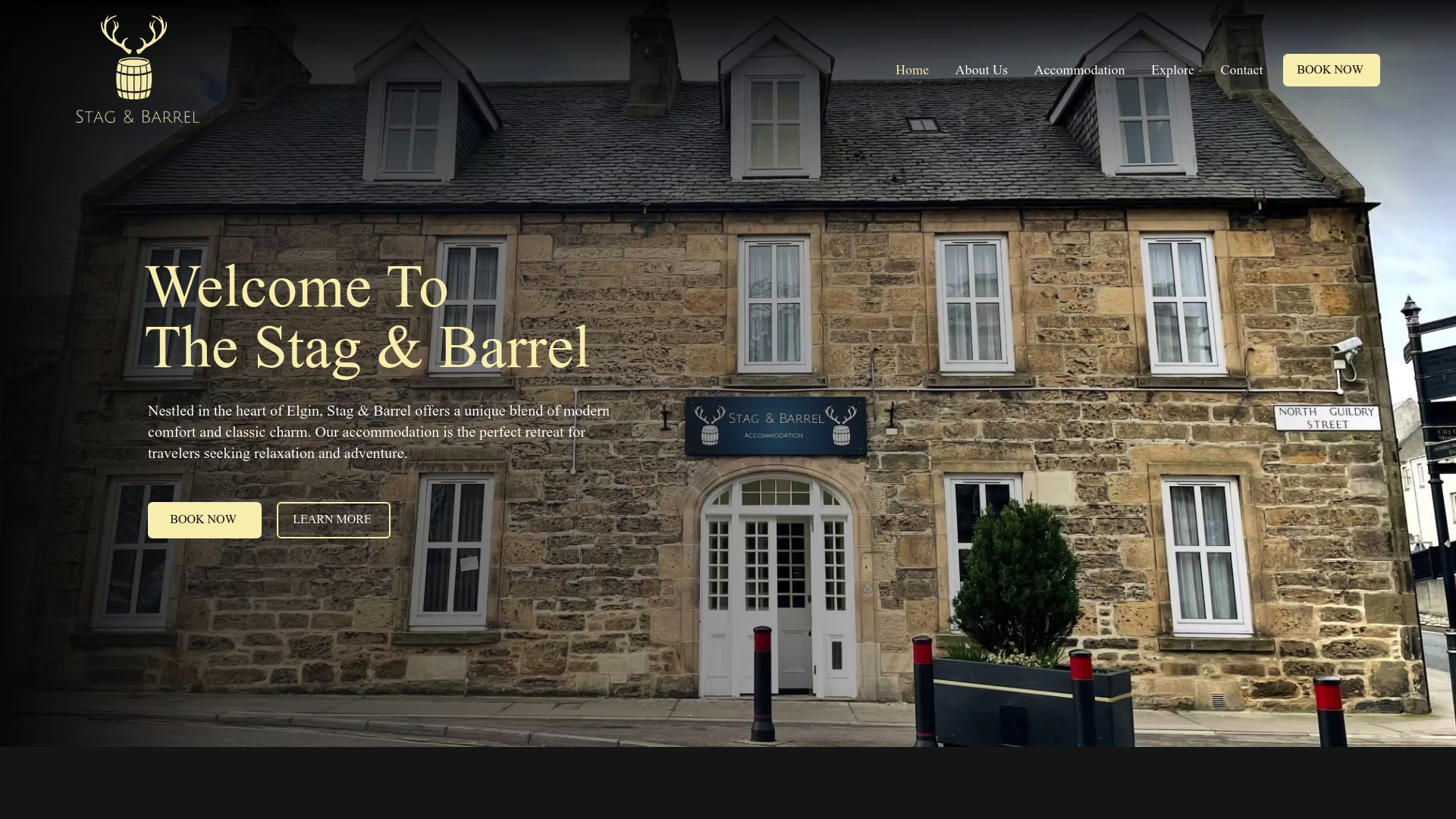
Experience the difference at Stag and Barrel where every guest house is designed for comfort, accessibility and strategic location. Whether you need reliable transport options, thoughtfully curated amenities or expert booking coordination our team supports you in turning your careful planning into reality. Visit Stag and Barrel now to secure accommodation that aligns with your detailed checklist and guarantees guest satisfaction for your next Elgin event or visit.
Frequently Asked Questions
What steps should I follow in my accommodation planning checklist?
To create an effective accommodation planning checklist, follow the seven outlined steps: assess guest requirements and special needs, select accommodation with a strategic location, evaluate facilities and amenities, plan transportation and accessibility, coordinate booking and reservations, prepare customised welcome packs, and establish clear communication with guests. Start by developing a detailed checklist for each step to ensure a thorough approach.
How can I assess the specific needs of my guests before their arrival?
You can assess your guests’ specific needs by creating a check-in form or questionnaire that includes questions about dietary restrictions, mobility needs, and special requests. Distribute this form during the booking process to ensure you gather all necessary information well in advance of their stay.
What factors should I consider when selecting the location of accommodation?
When selecting the location, consider proximity to key destinations, transport links, and essential services that guests will require. Aim to choose accommodation that minimises travel time for guests, enhancing their overall satisfaction during their stay.
How can I ensure my facilities and amenities meet guest expectations?
Evaluate your facilities and amenities by conducting thorough walkthroughs and tests to confirm their functionality. Create a checklist to systematically assess items like wifi reliability, cleanliness of bathrooms, and the condition of bedding, ensuring everything meets high standards before guests arrive.
What information should be included in custom welcome packs?
Custom welcome packs should include practical information such as wifi passwords, local area guides, emergency contact numbers, and specific instructions for appliances. Tailor the packs based on guest demographics, including items relevant to their needs and preferences, to make them feel more welcome.
How can I improve communication with guests throughout their stay?
Improve communication with guests by offering multiple contact methods, responding promptly to inquiries, and proactively providing important information before arrival. Regularly check in with guests during their stay to ensure their needs are met and address any concerns proactively.
Recommended


Comments