Business-Friendly Accommodation: What It Means for Travellers

Updated: May 15

Finding the right accommodation can set the tone for your business trip, especially if you are heading to Elgin, Scotland. Business travellers today expect more than just a comfortable bed—they need purpose-built spaces that support productivity, privacy, and smooth networking. The right amenities make all the difference, from reliable high-speed internet to quiet meeting areas and ergonomic workstations. This guide offers practical insights into choosing business-friendly lodging that seamlessly blends comfort with professional functionality during your stay in Elgin.
Table of Contents
Key Takeaways
Point | Details |
Business-Friendly Accommodation | Accommodations must integrate work and rest, offering high-speed internet, dedicated workspaces, and privacy for meetings. |
Types of Business Accommodations | Options range from hotel rooms to serviced apartments, each catering to different professional needs and trip durations. |
Essential Amenities for Professionals | Key amenities include ergonomic furniture, multiple power outlets, and soundproof meeting areas to enhance productivity. |
Avoiding Booking Mistakes | Thoroughly research accommodation features and policies to ensure they align with your professional requirements and avoid potential disruptions. |
Defining Business-Friendly Accommodation Standards
Business-friendly accommodation represents more than just a place to sleep - it’s a strategic environment designed to support professional travellers’ complex needs. These standards go beyond traditional hospitality, focusing on creating spaces that seamlessly integrate work, rest, and productivity.
Key standards for business-friendly accommodations include several critical components:
High-speed internet connectivity with reliable bandwidth
Dedicated workspace with ergonomic desk and comfortable seating
Multiple electrical outlets and charging stations
Quiet environment conducive to concentration
Privacy for remote meetings and conference calls
24/7 business centre or work-friendly common areas
International frameworks like the IFC accommodation guidelines emphasise creating environments that support professional functionality. These guidelines recommend considering factors such as technological infrastructure, workspace design, and overall comfort for business travellers.
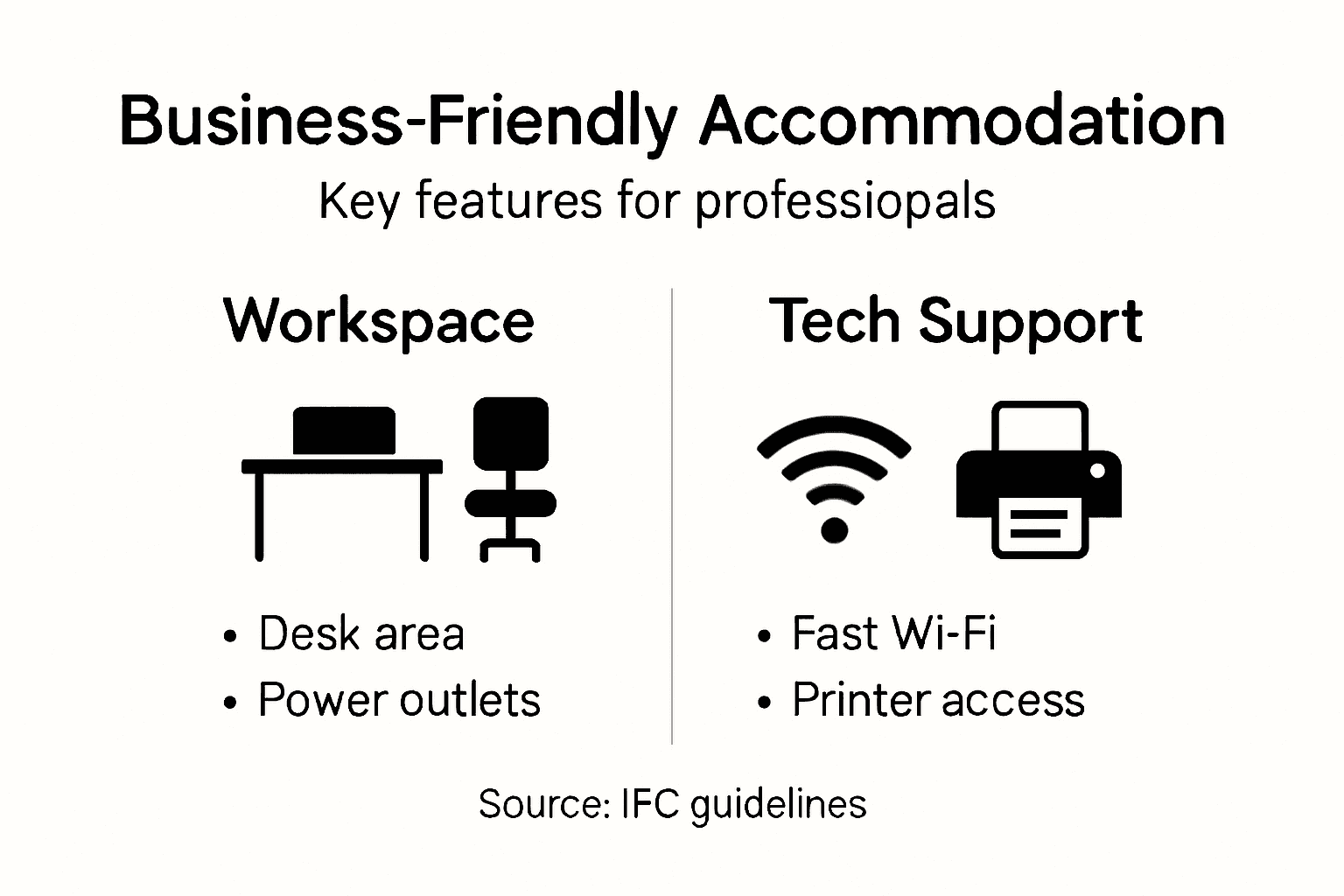
The fundamental difference between standard lodging and business-friendly accommodation lies in intentional design. Professional travellers require more than basic amenities - they need integrated solutions that support productivity, communication, and professional performance. This means thoughtfully designed rooms with technical capabilities, flexible spaces, and an understanding of work-related requirements.
Pro tip: When booking business accommodation, request specific details about workspace provisions and technological capabilities to ensure your professional needs will be fully supported.
Types of Accommodation for Business Needs
Business travel demands flexible and strategic accommodation solutions that cater to diverse professional requirements. Understanding the range of accommodation options for business travellers becomes critical for ensuring productivity, comfort, and cost-effectiveness during work-related trips.
The primary types of business accommodations include:
Hotel rooms with dedicated workspaces
Serviced apartments offering extended-stay facilities
Corporate housing for longer-term assignments
Guest houses providing personalised professional environments
Short-term rental apartments with flexible lease terms
Business hotels specialising in corporate traveller needs
Each accommodation type offers unique advantages depending on trip duration, budget constraints, and specific professional requirements. Hotels typically provide standard amenities with basic work facilities, while serviced apartments offer more comprehensive living spaces with kitchen facilities, separate working areas, and greater privacy.
For professional travellers, the choice of accommodation directly affects work efficiency and comfort. Below is a comparison of common business accommodation types and their ideal use scenarios:

Accommodation Type | Best For | Typical Stay Duration |
Hotel Room | Short business trips with daily meetings | 1-7 days |
Serviced Apartment | Projects needing extra living space | 1 week - 3 months |
Corporate Housing | Relocations or long assignments | 1 month or more |
Guest House | Personalised service and privacy | Variable, often short |
Short-term Rental Flat | Flexible lease for extended visits | Few days to several weeks |
Business Hotel | Group travel with facilities for events | Any duration |
Corporate travellers should evaluate accommodation options based on several key factors:
Trip duration
Budget allocation
Required workspace functionality
Location proximity to work sites
Access to business infrastructure
Technological connectivity needs
Pro tip: When selecting business accommodation, prioritise locations that offer a balance between professional functionality and personal comfort to maximise your travel productivity.
Essential Amenities and Services for Professionals
Professional travellers require sophisticated accommodation solutions that transcend basic lodging expectations. Essential business traveller amenities represent a sophisticated ecosystem designed to support productivity, connectivity, and personal well-being during work-related travel.
Key professional amenities that define superior business accommodations include:
High-speed internet with guaranteed bandwidth
Dedicated workspace with ergonomic furniture
Multiple power outlets and charging stations
24/7 business centre access
Soundproofed meeting areas
Flexible check-in/out options
Complimentary printing facilities
Technological infrastructure forms the backbone of professional accommodation services. Modern business travelers expect seamless digital connectivity, with robust internet speeds enabling video conferences, document uploads, and real-time collaboration. Accommodations that provide comprehensive technological support demonstrate a nuanced understanding of professional requirements.
Wellness and convenience are equally critical components of business-friendly environments. Professional travelers need facilities that support physical health and mental resilience, including:
Fitness centre availability
Healthy dining options
Stress-reduction amenities
Proximity to local transportation
Secure storage facilities
Personal safety features
Pro tip: Before booking, request specific details about technological capabilities and workspace provisions to ensure your accommodation matches your professional workflow requirements.
Roles of Technology and Workspace Facilities
Workspace technology represents the critical infrastructure that transforms accommodation from mere lodging to a productive professional environment. Workspace design fundamentally impacts professional performance, determining how effectively business travelers can maintain their workflow while travelling.
Key technological considerations for professional workspace facilities include:
Robust internet connectivity
Ergonomic furniture design
Flexible electrical infrastructure
Soundproofing technology
Integrated communication systems
Secure digital networks
Multi-device charging capabilities
Modern business accommodations must provide seamless technological integration that mimics professional office environments. This means creating spaces where professionals can transition between personal and work modes with minimal disruption, supporting complex digital workflows through intelligent spatial design and technological infrastructure.
The effectiveness of workspace facilities can be evaluated through several critical performance metrics:
To help professionals assess workspace quality, consider these metrics and their practical implications:
Performance Metric | Why It Matters | Business Impact |
Internet Speed & Reliability | Enables seamless remote collaboration | Reduces delays, boosts workflow |
Workspace Ergonomics | Supports health during long hours | Minimises fatigue and injuries |
Acoustic Comfort | Maintains concentration in meetings | Improves productivity |
Power & Connectivity Access | Allows device use without constraint | Enhances flexibility |
Privacy Potential | Ensures confidential communication | Protects sensitive information |
Technology Integration | Streamlines digital work processes | Facilitates complex tasks |
Internet speed and reliability
Acoustic comfort levels
Ergonomic workspace configuration
Power and connectivity accessibility
Privacy and concentration potential
Technology integration sophistication
Pro tip: Request a detailed technological amenities breakdown from your accommodation provider to ensure the workspace meets your specific professional requirements.
Common Booking Mistakes to Avoid
Business travel requires strategic accommodation selection, and avoiding critical booking errors can significantly impact professional effectiveness. Common hotel booking mistakes can transform what should be a smooth trip into a logistical nightmare for professionals.
The most prevalent booking mistakes for business travelers include:
Overlooking location proximity to work sites
Ignoring cancellation policy details
Failing to verify internet connectivity
Booking during peak conference seasons
Neglecting workspace facility requirements
Not checking room configuration
Skipping comprehensive price comparisons
Each booking decision carries potential financial and productivity implications. Professional travelers must conduct thorough research, considering not just price, but comprehensive accommodation features that support their specific work requirements. This means examining technological infrastructure, workspace design, and overall professional functionality beyond basic amenities.
Strategic booking requires careful evaluation across multiple dimensions:
Technological infrastructure assessment
Workspace ergonomic potential
Location strategic value
Cost-to-functionality ratio
Reservation flexibility
Professional environment compatibility
Pro tip: Create a personalised accommodation checklist that includes your specific professional requirements before making any booking decision.
Discover Business-Friendly Comfort at Stag and Barrel
Navigating the challenges of business travel means finding accommodation that truly supports your professional needs. From high-speed internet and ergonomic workspaces to quiet environments for confidential calls, Stag and Barrel understands that your workspace requirements extend beyond just a room. Our Hotel Guest House is designed to provide the dedicated workspace and technological connectivity you need to stay productive on the move.
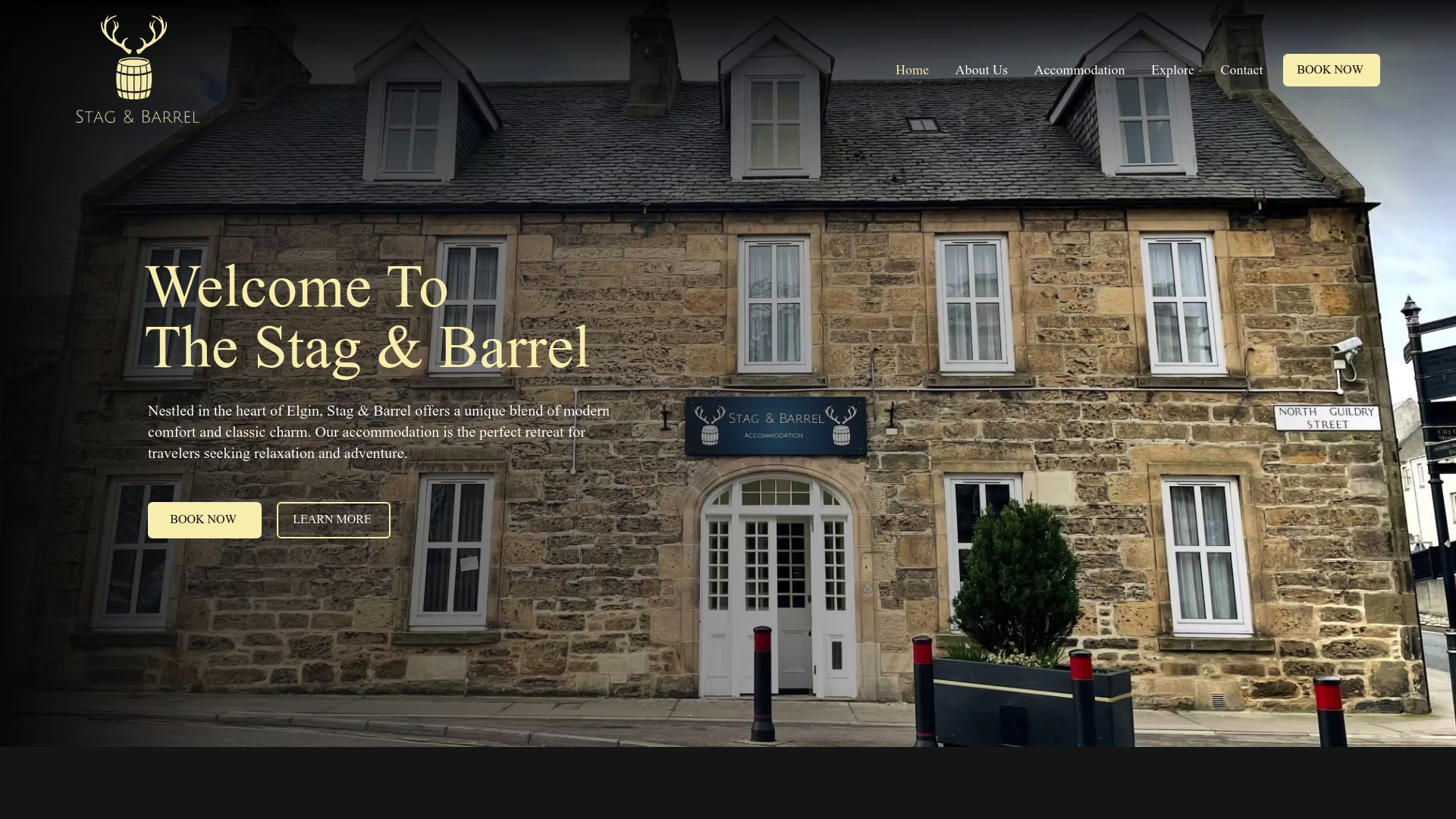
Experience a seamless balance of comfort and functionality by booking your next business stay with us. Visit Stag and Barrel to explore how we prioritise your work essentials. Take the first step towards stress-free business accommodation and ensure every aspect of your trip aligns with your professional goals. Secure your ideal stay today by checking availability at Stag and Barrel Hotel Guest House and enjoy a business-friendly environment crafted just for you.
Frequently Asked Questions
What defines business-friendly accommodation?
Business-friendly accommodation is designed to support the complex needs of professional travellers, integrating work, rest, and productivity. Key features include high-speed internet, dedicated workspaces, privacy for meetings, and 24/7 business facilities.
What types of accommodation are best for business travel?
The best types for business travel include hotel rooms with workspaces, serviced apartments for extended stays, corporate housing for longer assignments, guest houses for personalised service, short-term rental apartments, and business hotels that cater to corporate needs.
What essential amenities should I look for in business accommodation?
Look for high-speed internet, ergonomic workspaces, multiple power outlets, 24/7 business centre access, soundproof meeting areas, and fitness facilities to ensure comfort and productivity during your stay.
What common mistakes should I avoid when booking business accommodation?
Avoid common mistakes such as overlooking the proximity to work sites, ignoring cancellation policies, failing to verify internet connectivity, booking during peak seasons, and neglecting workspace requirements. Conduct thorough research to identify accommodation that meets your professional needs.
Recommended


Comments