Role of Customer Service in Guest Houses – Why It Matters

Updated: Apr 22
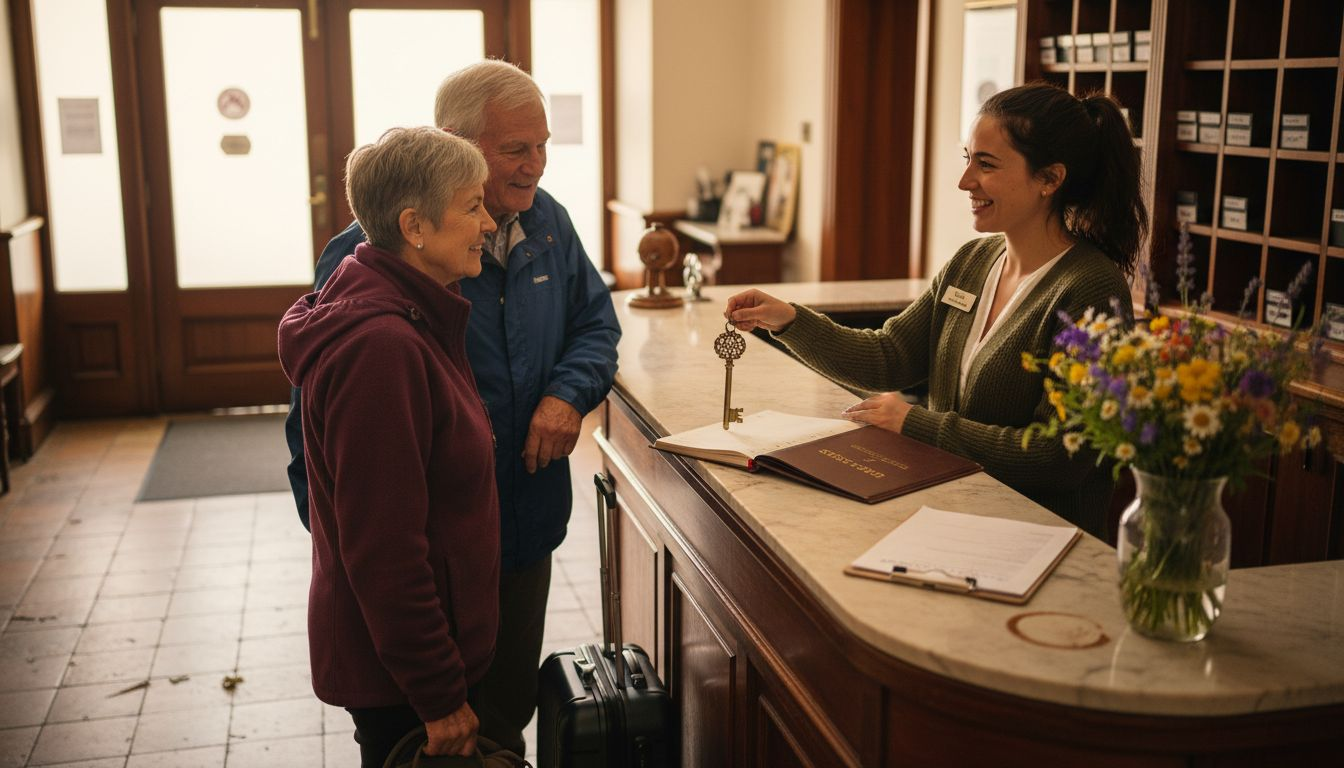
Running a guest house in Elgin means each guest brings unique expectations and memories waiting to be made. Every interaction, from a warm welcome to quick problem solving, shapes their overall experience. Small details matter, and personalised hospitality interactions can transform a simple stay into a loyal relationship. By focusing on emotional connection, responsive service, and genuine care, you set your guest house apart and inspire positive recommendations to keep your rooms full.
Table of Contents
Key Takeaways
Point | Details |
Exceptional Customer Service | Focus on creating personalised, anticipatory experiences rather than just resolving issues. |
Importance of Human Interaction | Emphasise genuine human warmth and emotional connections, complementing technology with empathy. |
Comprehensive Engagement | Address guest needs at every stage, from pre-reservation to post-stay, ensuring seamless interactions. |
Ongoing Staff Training | Invest in training programmes that combine emotional intelligence with technological insights to enhance service quality. |
Defining Customer Service in Guest Houses
Customer service in guest houses represents far more than simple transactional interactions. It encompasses a comprehensive approach to creating exceptional guest experiences through personalised attention, responsive communication, and anticipatory care. Personalised hospitality interactions are fundamental to transforming a basic accommodation stay into a memorable journey.
In the context of guest houses, customer service involves several critical dimensions:
Proactive Problem Solving: Identifying and addressing guest needs before they become issues
Emotional Connection: Creating warm, welcoming environments that make guests feel valued
Personalised Communication: Tailoring interactions to individual guest preferences
Seamless Experience Management: Ensuring smooth interactions from pre-arrival to post-stay
The core objective of customer service extends beyond merely resolving problems. Exceptional service means anticipating guest requirements, delivering consistent quality, and crafting experiences that exceed expectations. Comprehensive guest journey management involves understanding each interaction as an opportunity to build lasting relationships and generate positive recommendations.
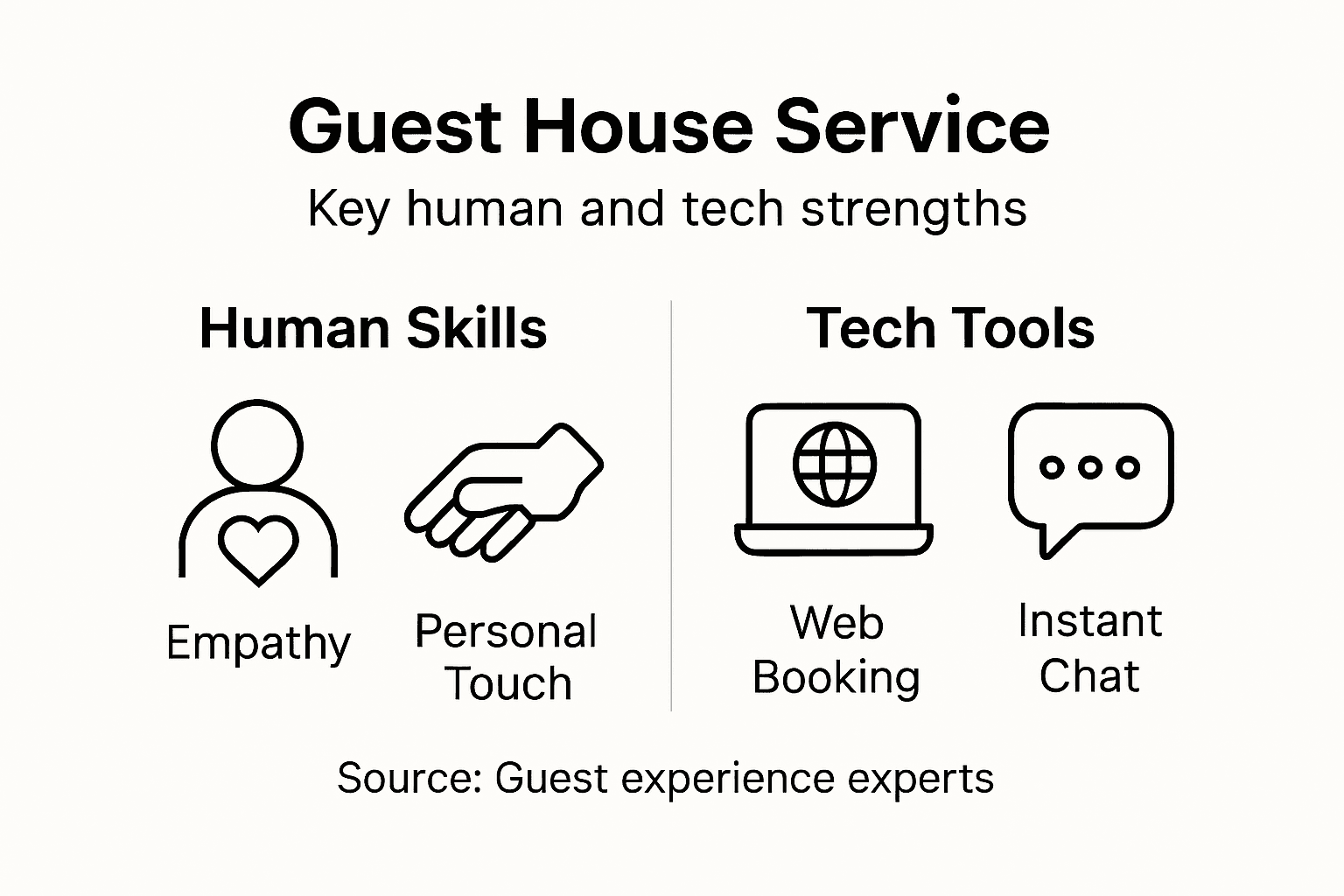
Modern guest houses recognise that technology can enhance but never replace human warmth. While digital tools streamline communication, the personal touch remains paramount. Responsive staff, attentive listening, and genuine care create the emotional connections that transform ordinary stays into extraordinary memories.
Here is a comparison of how technology and human interactions contribute to guest house customer service:
Aspect | Technology Contribution | Human Interaction Contribution |
Efficiency | Automates communication, saves time | Quick problem resolution by staff |
Personalisation | Tracks guest preferences digitally | Adapts to guest mood and needs |
Emotional Impact | Delivers convenience, but impersonal | Builds rapport and trust |
Issue Resolution | instant responses and updates | Offers empathy and nuanced support |
Pro tip: Invest time in training staff to read subtle guest cues and respond with empathy, turning standard service interactions into personalised experiences.
Types of Guest House Customer Service
Customer service in guest houses encompasses a multifaceted approach that spans the entire guest journey. Multiple service interaction points ensure comprehensive support and memorable experiences for every visitor. These interactions are strategically designed to address guest needs at every stage of their stay.
Guest house customer service typically includes several critical service types:
Pre-Reservation Communication: Responsive inquiries, detailed information sharing, and personalised booking assistance
Check-In Services: Warm welcome, efficient registration, and immediate orientation to guest house facilities
In-Stay Support: Room service, concierge assistance, maintenance requests, and real-time problem resolution
Amenities Management: Ensuring comfort, cleanliness, and access to requested services
Post-Stay Engagement: Follow-up communications, feedback collection, and loyalty programme management
Personalised interactions are the cornerstone of exceptional guest house service. Guest services emphasise human warmth beyond transactional exchanges, focusing on creating emotional connections that transform standard accommodation into memorable experiences. Each interaction represents an opportunity to demonstrate genuine hospitality and attentiveness.
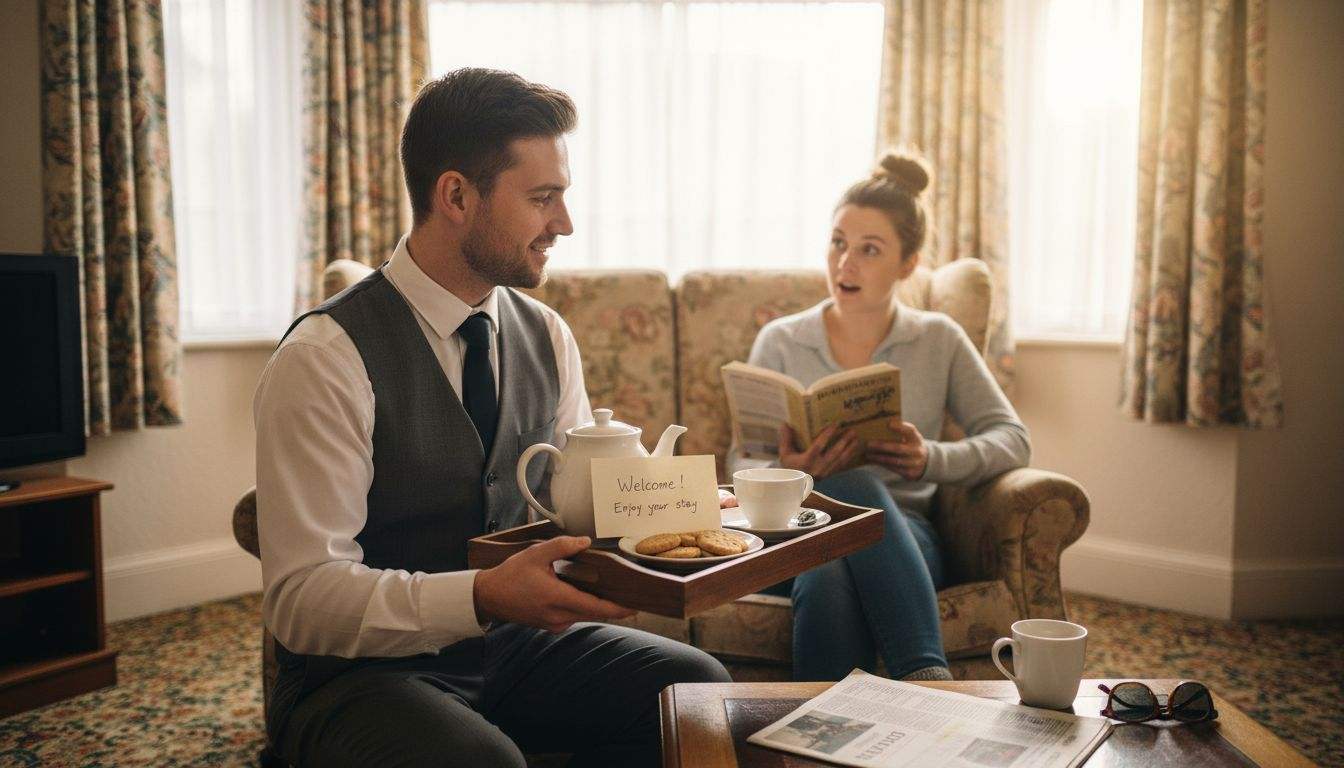
Technology now supports these service dimensions, enabling more efficient and personalised communication. Digital tools help staff track guest preferences, anticipate needs, and provide seamless, responsive support throughout the guest’s journey. However, technology remains a supplement to, not a replacement for, genuine human connection and empathy.
Pro tip: Develop a comprehensive staff training programme that teaches employees to blend technological efficiency with authentic, personalised human interactions.
Strategies for Creating Memorable Guest Experiences
Creating extraordinary guest experiences requires a holistic approach that goes beyond basic hospitality. Cultivating a culture of exceptional care demands strategic thinking and genuine empathy from every staff member. The most successful guest houses transform ordinary stays into remarkable memories through intentional, personalised interactions.
Key strategies for creating memorable experiences include:
Personalisation: Tailoring services to individual guest preferences and anticipating unstated needs
Attention to Detail: Focusing on small touches that demonstrate thoughtfulness
Emotional Intelligence: Training staff to read and respond to guests’ unspoken feelings
Consistent Communication: Maintaining seamless, proactive engagement throughout the guest journey
Continuous Improvement: Systematically collecting and implementing guest feedback
Emotional connection represents the cornerstone of exceptional guest experiences. This means moving beyond transactional interactions to create genuine moments of human warmth and understanding. Staff must be trained to see each interaction as an opportunity to build a lasting relationship, not just complete a task.
Technology can support these strategies by providing insights into guest preferences and enabling more personalised services. However, digital tools should enhance, not replace, the human touch. The most memorable experiences emerge from authentic, empathetic interactions that make guests feel genuinely valued and understood.
Pro tip: Develop a comprehensive staff training programme that empowers employees to use both emotional intelligence and technological insights to create truly personalised guest experiences.
Staff Responsibilities and Legal Considerations
Operating a successful guest house requires a comprehensive understanding of staff responsibilities and legal obligations. Comprehensive staff management protocols are critical for ensuring both operational excellence and legal compliance. Understanding these responsibilities helps protect the business and create a professional working environment.
Key staff responsibilities encompass several critical areas:
Customer Service: Delivering professional, empathetic, and consistent guest interactions
Hygiene and Cleanliness: Maintaining impeccable standards of room and facility maintenance
Safety Protocols: Following rigorous health and safety guidelines
Communication: Providing clear, accurate information to guests and management
Continuous Learning: Participating in ongoing training and skill development programmes
Legal compliance represents a fundamental aspect of guest house operations. Managers must navigate complex employment regulations, ensuring that staff contracts, working conditions, and workplace practices meet all statutory requirements. This includes adherence to minimum wage legislation, working hour restrictions, health and safety regulations, and anti-discrimination laws.
The relationship between staff responsibilities and legal considerations is intricate and multifaceted. Beyond basic operational requirements, guest houses must create environments that protect employee rights while maintaining high-quality service standards. This demands a proactive approach to staff management, combining clear communication, ongoing training, and a commitment to creating a supportive workplace culture.
Pro tip: Develop a comprehensive employee handbook that clearly outlines both staff responsibilities and their corresponding legal protections, ensuring transparency and mutual understanding.
Common Mistakes and How to Avoid Them
Guest houses frequently encounter predictable service challenges that can significantly impact guest satisfaction. Systematic communication errors undermine the guest experience and can lead to negative reviews and lost future business. Understanding these common pitfalls is the first step towards creating exceptional hospitality experiences.
Most frequent customer service mistakes include:
Inconsistent Greeting Protocols: Failing to provide warm, personalised welcomes
Poor Interdepartmental Communication: Allowing information gaps between staff members
Reactive Instead of Proactive Service: Waiting for problems to emerge rather than anticipating needs
Neglecting Guest Feedback: Ignoring or minimally addressing guest suggestions and complaints
Standardised Responses: Treating guests as generic customers instead of unique individuals
Communication strategies play a crucial role in preventing service breakdowns. Comprehensive communication management requires establishing clear protocols that ensure timely, relevant, and personalised interactions across all guest touchpoints. This means training staff to listen actively, respond promptly, and demonstrate genuine care for each guest’s experience.
To help guest houses avoid frequent pitfalls, here is a summary of how to address common service mistakes:
Mistake | Impact on Guests | Practical Solution |
Generic greetings | Guests feel overlooked | Train for personalised welcomes |
Delayed feedback response | Lowers guest satisfaction | Schedule regular feedback reviews |
Siloed staff information | Service inconsistencies | Implement unified communication tools |
Overreliance on scripts | Interactions lack warmth | Encourage staff autonomy and active listening |
Technology can support service improvement, but it cannot replace human empathy and attentiveness. Guest houses must create a culture of continuous learning, where staff are encouraged to reflect on interactions, learn from mistakes, and consistently seek ways to enhance guest satisfaction. Regular training, open communication, and a commitment to excellence are essential for transforming potential service failures into opportunities for exceptional hospitality.
Pro tip: Implement a monthly review process where staff collectively analyse guest feedback and brainstorm innovative solutions to improve service quality.
Elevate Your Guest House Customer Service Today
Customer service in guest houses demands more than routine hospitality. The article highlights key challenges such as maintaining personalised communication, anticipating guest needs, and blending technology with genuine human warmth. These pain points are vital for creating memorable guest experiences and building lasting guest loyalty. With concepts like proactive problem solving and emotional intelligence at the core, your guest house can stand out by offering seamless, empathic service every step of the way.
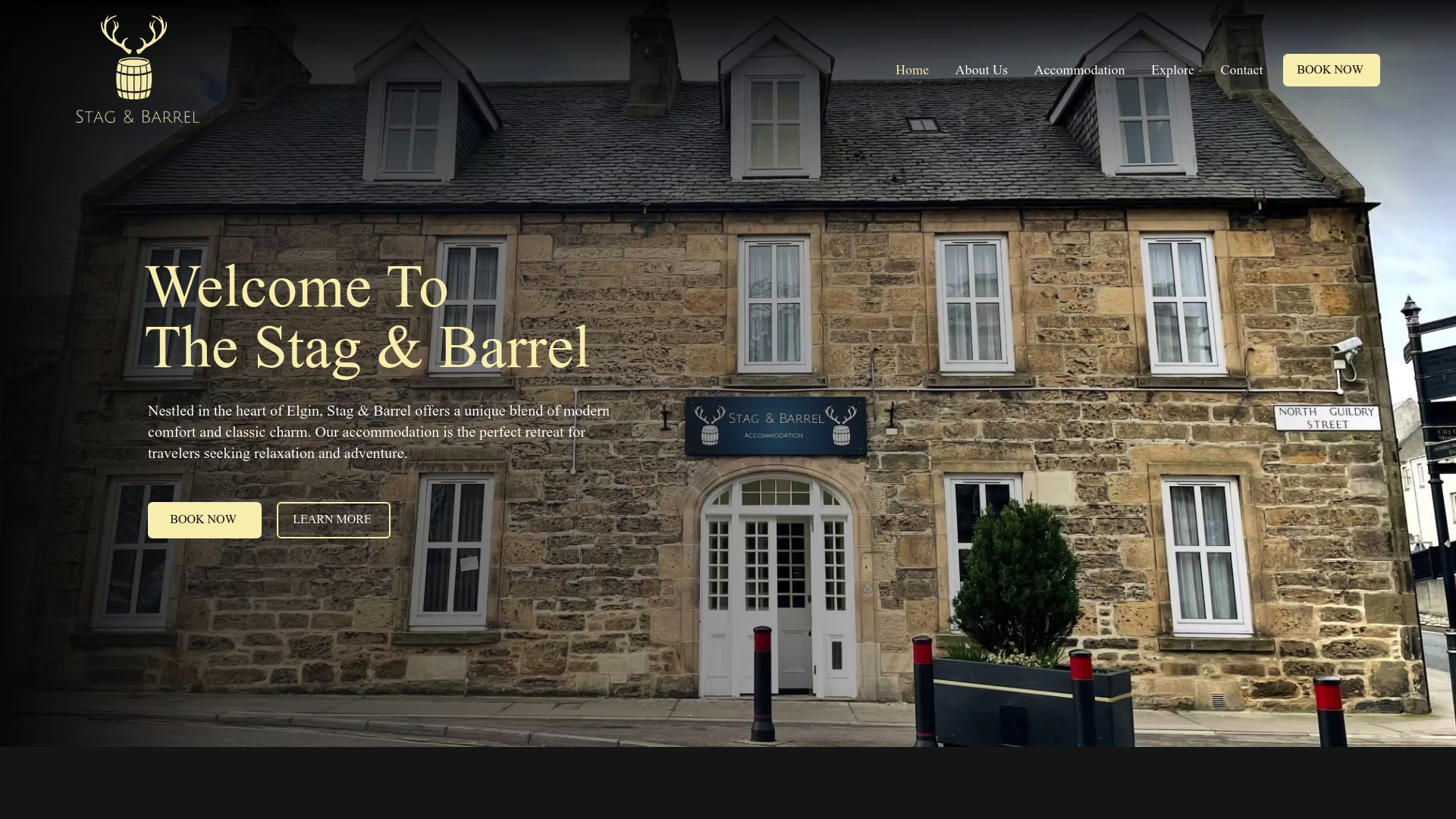
Are you ready to transform your guest service standards? Discover how Hotel Guest House solutions can empower your team to deliver personalised, consistent care that guests truly appreciate. Start today by exploring effective strategies and tools designed to enhance communication and staff responsiveness. Do not let common service mistakes hold your business back. Visit Stag and Barrel to unlock guest house customer service excellence now.
Frequently Asked Questions
What is the importance of customer service in guest houses?
Customer service in guest houses is vital as it transforms basic stays into exceptional experiences through personalised attention, emotional connections, and proactive problem-solving.
How can guest houses create memorable experiences through customer service?
Guest houses can create memorable experiences by personalising services, paying attention to detail, training staff in emotional intelligence, maintaining consistent communication, and continuously implementing guest feedback.
What common mistakes do guest houses make in customer service?
Common mistakes include inconsistent greeting protocols, poor interdepartmental communication, reactive rather than proactive service, neglecting guest feedback, and using standardised responses that do not address individual guest needs.
How can technology enhance customer service in guest houses?
Technology can enhance customer service by automating communication for efficiency, tracking guest preferences for personalisation, and enabling quick issue resolution, while still relying on human interaction for emotional impact.
Recommended


Comments