Guest Houses: Affordable Homely Stays Explained

Updated: May 15

Every family searching for affordable, comfortable accommodation in Elgin often faces a choice between pricey hotels and busy hostels. For many budget-conscious travellers, finding a place that feels like home without stretching the travel budget is a top concern. Understanding the unique appeal of a guest house can reveal a world of friendly hosts, personal touches, and genuine local charm that offer far more than just a place to sleep.
Table of Contents
Key Takeaways
Point | Details |
Unique Accommodation Style | Guest houses provide a personalised experience between private homes and traditional hotels, often located in residential areas. |
Types of Guest Houses | They generally fall into family-run and professional categories, impacting the guest experience and management style. |
Operational Differences | Guest houses usually feature lean staffing, direct guest interactions, and flexible management compared to larger hotels. |
Legal Compliance | In the UK, guest houses must adhere to strict safety and health regulations, ensuring a secure environment for guests. |
What Is a Guest House? Definition and Misconceptions
A guest house represents a unique accommodation option that sits between a private home and a traditional hotel. Formally defined by dictionary sources, guest houses are typically small, affordable lodging establishments offering a more personalised, homely experience compared to standard hotel rooms.
Guest houses generally fall into two primary categories:
Family-operated guest houses: Where owners live on-site and interact directly with guests
Professional guest houses: Managed more like small hotels with dedicated service areas
Unlike large hotel chains, guest houses provide a more intimate lodging experience that often includes unique characteristics such as:
Personal interactions with hosts
More affordable pricing
Localised cultural experiences
Often located in residential neighbourhoods
Typically smaller scale accommodations
Many travellers mistakenly believe guest houses are less professional or comfortable than hotels. However, modern guest houses frequently offer high-quality amenities, cleanliness standards, and personalised service that can significantly enhance a visitor’s travel experience.
Pro tip: When booking a guest house, always confirm specific amenities and check recent guest reviews to ensure the accommodation matches your expectations.
Types of Guest Houses and Key Differences
Guest houses represent diverse accommodation styles with significant operational variations that cater to different traveller needs and preferences. Understanding these variations helps guests select the most suitable lodging option for their specific requirements.
The primary classifications of guest houses include:
Family-run Guest Houses:
Owners typically live on-site
Personal, intimate atmosphere
Direct interaction with hosts
Often located in residential areas
Professional Guest Houses:
More structured management
Dedicated staff and service areas
Similar to small boutique hotels
Standardised amenities and services
International labour standards highlight further nuanced differences between guest house types, emphasising factors like scale, ownership model, and operational complexity. These distinctions significantly impact the guest experience, ranging from highly personalised family interactions to more formal, hotel-like environments.

Key differentiating factors among guest houses include:
Below is a summary of how family-run and professional guest houses differ in terms of guest experience and operational approach:
Aspect | Family-Run Guest House | Professional Guest House |
Atmosphere | Warm and informal | Formal and structured |
Guest Interaction | Frequent, personal conversations | Staff-led, scheduled engagements |
Management Style | Flexible and host-led | Standardised with dedicated staff |
Typical Location | Residential neighbourhoods | City centres or tourist areas |
Amenity Consistency | Varies by owner preferences | More predictable and uniform |
Level of host interaction
Room and facility standards
Pricing structures
Location and neighbourhood characteristics
Management approach
Pro tip: Always communicate your specific accommodation expectations directly with the guest house management before booking to ensure the best possible match for your travel needs.
Essential Features and How Guest Houses Operate
Guest houses operate with a unique blend of hospitality approaches, offering distinct operational characteristics that differentiate them from traditional hotels. These establishments typically feature lean staffing models where employees often multitask across various service roles.
Key operational features of guest houses include:
Staffing Characteristics:
Limited number of staff members
Employees covering multiple responsibilities
Direct, personalised guest interactions
Flexible management approach
Core Service Amenities:
Basic room accommodations
Typically breakfast included
Shared or private bathroom facilities
Essential safety infrastructure
Guest house management emphasises creating a homely atmosphere while maintaining professional service standards. Unlike large hotel chains, these establishments often provide more intimate, personalised experiences with direct host interactions and flexible check-in procedures.
Standard operational protocols typically involve:
Advance booking recommendations
Limited reception hours
Personalised guest welcome
Efficient resource management
Compliance with local hospitality regulations
Pro tip: Always confirm specific operational details and amenities directly with the guest house to ensure your expectations align with their service model.
Legal and Safety Requirements in the UK
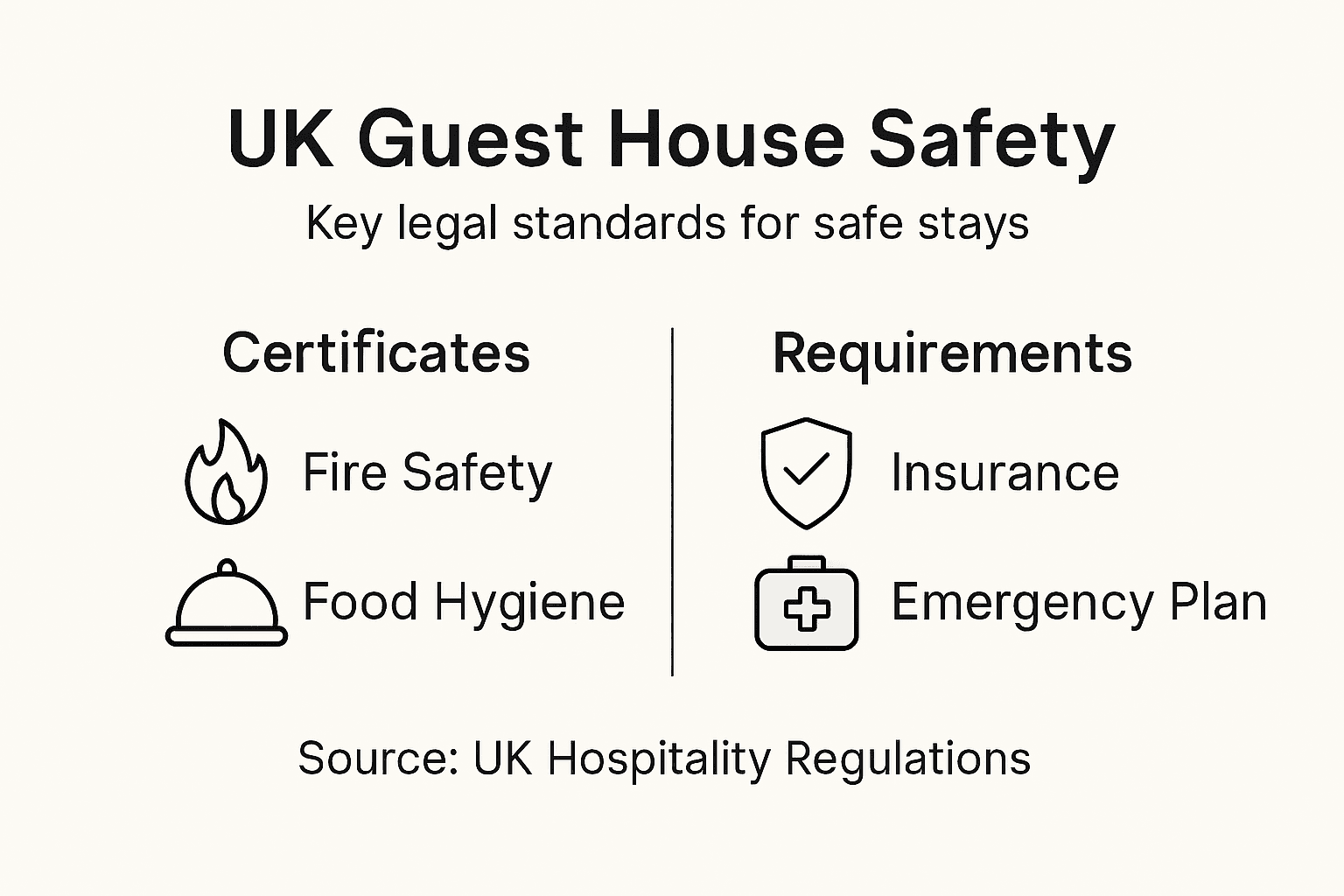
Guest houses in the United Kingdom must adhere to stringent legal safety standards that protect both guests and staff. These comprehensive regulations ensure accommodation providers maintain high-quality, secure environments for travellers.
Key legal requirements for guest houses include:
Fire Safety Regulations:
Mandatory fire risk assessments
Working smoke and carbon monoxide detectors
Clear emergency evacuation routes
Regular staff fire safety training
Accessible fire extinguishing equipment
Health and Safety Compliance:
Adherence to Health and Safety at Work Act 1974
Regular facility maintenance checks
Risk assessment documentation
Proper hygiene and sanitation standards
Safe electrical and gas installations
International labour standards mandate that guest house operators must obtain necessary local authority licensing. This process involves comprehensive inspections to verify compliance with building codes, food safety regulations, and overall guest welfare standards.
Crucial documentation and certifications guest houses must maintain include:
Public liability insurance
Food hygiene certificates
Gas safety records
Electrical installation condition reports
First aid provisions
Pro tip: Always request to see a guest house’s safety certifications before booking to ensure they meet official UK hospitality standards.
Costs, Booking Tips and Comparing Alternatives
Guest houses offer budget-friendly accommodation options that provide affordable travel alternatives for travellers seeking personalised, cost-effective stays. Understanding the nuanced pricing and booking strategies can help visitors make informed decisions about their lodging choices.
Cost considerations for guest house bookings include:
Pricing Factors:
Location-specific rates
Seasonal price variations
Room type and amenities
Length of stay discounts
Peak versus off-peak pricing
Comparative Accommodation Options:
Hotels (typically most expensive)
Bed and breakfasts
Hostels (most budget-friendly)
Serviced apartments
Short-term rental properties
International labour standards recommend advance booking during peak seasons, with most guest houses requiring direct communication for reservations. Price ranges typically vary between £30-£80 per night, depending on location and included amenities.
For quick reference, here is a comparative overview of popular accommodation types and their suitability for different travellers:
Accommodation Type | Typical Price Range | Best For | Privacy Level |
Guest House | £30–£80 per night | Solo, couples, families | Moderate to high |
Hotel | £60–£200 per night | Business, luxury holidays | High |
Hostel | £10–£40 per night | Backpackers, youth groups | Low to moderate |
Bed & Breakfast | £40–£100 per night | Couples, weekend breaks | Moderate |
Serviced Apartment | £70–£250 per night | Long stays, work trips | High |
Essential booking tips for securing the best guest house experience:
Research multiple accommodation options
Read recent guest reviews
Confirm exact pricing and inclusions
Understand cancellation policies
Check for additional hidden costs
Pro tip: Contact guest houses directly to negotiate potential discounts for extended stays or during off-peak seasons.
Discover Affordable and Homely Stays with Expert Confidence
Finding a guest house that balances personal charm with professional standards can be challenging. This article shows how understanding the distinction between family-run and professional guest houses helps travellers avoid surprises and enjoy a secure, comfortable stay. Whether you value warm host interaction or seek consistent amenities, the key is choosing a trusted provider that meets your specific needs.
At Stag and Barrel, we specialise in offering guest house accommodations that combine affordability with a welcoming atmosphere and full compliance with UK safety regulations. We understand the importance of legal safety requirements, personalised service, and budget-friendly pricing to create your ideal homely stay every time.
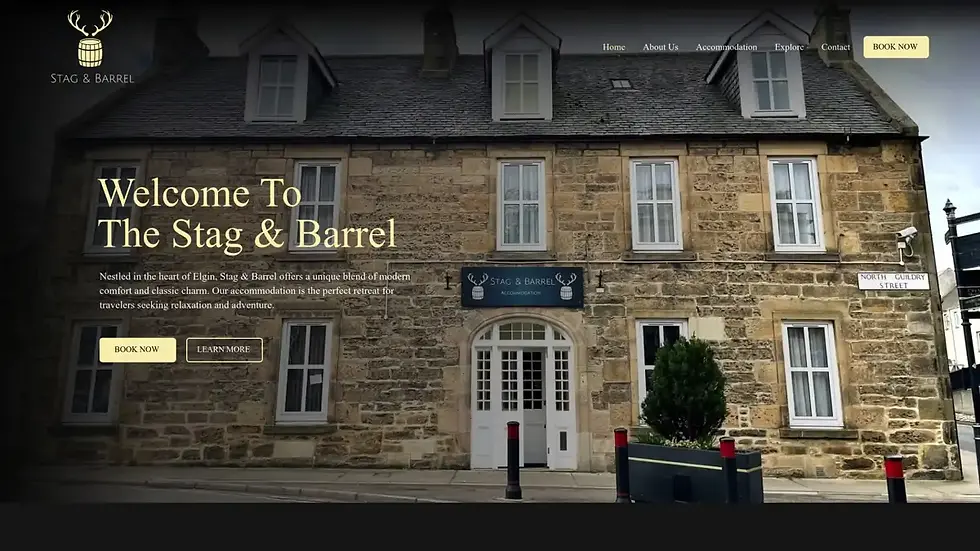
Explore our comprehensive range of guest house options designed for your comfort and peace of mind. Don’t just settle for any lodging. Act now to secure the perfect balance of value and quality by visiting our Hotel Guest House page. Make your next trip stress-free and memorable with expert support from Stag and Barrel today.
Frequently Asked Questions
What is a guest house?
A guest house is a small, affordable lodging establishment that offers a more personalised and homely experience compared to traditional hotels. They often provide hospitality through direct interactions with hosts.
What are the differences between family-run and professional guest houses?
Family-run guest houses offer a warm, informal atmosphere with frequent host interactions, whereas professional guest houses tend to have a more structured and formal approach, similar to small hotels with standardised amenities.
What essential features should I expect in a guest house?
Most guest houses include basic room accommodations, breakfast, shared or private bathrooms, and a personalised welcome from hosts. They usually offer a homely atmosphere and flexible check-in procedures.
How can I find the best rates for guest houses?
To find the best rates, research multiple accommodation options, read recent guest reviews, confirm pricing and inclusions, understand cancellation policies, and check for any hidden costs. Booking in advance during off-peak seasons may also help you secure better deals.
Recommended


Comments