Hotel room selection guide to choose the perfect stay
- Steve Sadler

- Mar 26
- 10 min read
Updated: 6 days ago
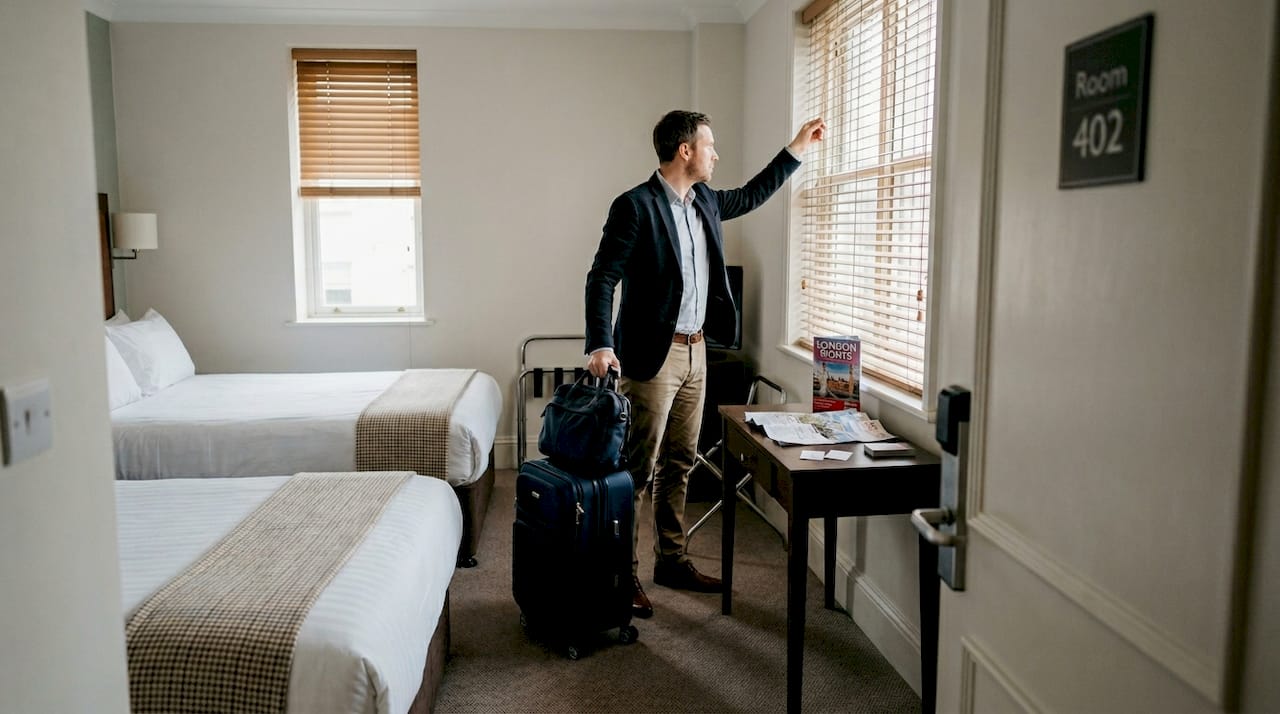
Choosing the right hotel room can feel overwhelming when you’re faced with countless options, each promising comfort and convenience. Whether you’re travelling for business or leisure, selecting a room that truly fits your needs requires understanding the differences between room types, layouts, and features. This guide clarifies how to evaluate hotel rooms based on your travel purpose, budget, and personal preferences, helping you make confident decisions that transform your stay from adequate to exceptional.
Table of Contents
Key Takeaways
Point | Details |
Room type contrasts | Understanding occupancy, bed layout and features helps you pick a suitable room. |
Bed configuration matters | The bed setup affects comfort and who can share a room. |
Executive rooms for business | Executive or deluxe rooms with dedicated workspaces and lounge access are ideal for business travellers. |
Family room options | Families benefit from suites or connecting rooms with multiple beds. |
Request preferences early | Request room preferences when booking to improve availability and accuracy. |
Understanding hotel room types and features
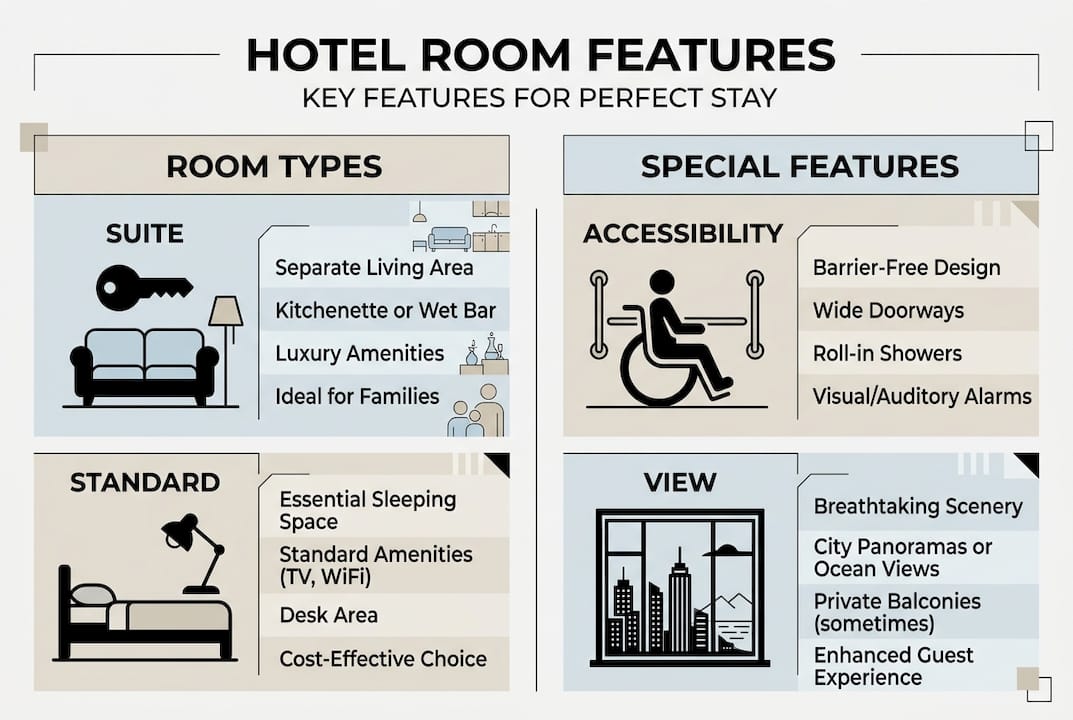
Hotels categorise rooms in ways that initially seem confusing, but understanding the system helps you quickly identify what suits your needs. Hotel room types are categorised by occupancy, bed configuration, layout, and features such as accessible or pet-friendly options. Single rooms accommodate one guest with a single bed, whilst double rooms typically feature one double or queen bed for two people. Triple rooms add a third bed, making them ideal for small families or groups travelling together.
Bed configuration significantly affects your comfort during the stay. King beds measure approximately 193cm wide, providing ample space for couples who value personal sleeping space. Queen beds at 152cm wide suit most couples comfortably, whilst twin beds offer flexibility for friends or colleagues sharing a room who prefer separate sleeping arrangements. Some rooms feature a combination, such as one queen bed plus a sofa bed, expanding capacity without requiring a full suite.
Room layouts range from standard to luxurious, each offering distinct advantages:
Standard rooms provide essential amenities in 18-25 square metres, perfect for budget-conscious travellers needing only sleeping quarters
Deluxe rooms expand to 25-35 square metres with enhanced furnishings, better views, and upgraded bathroom fixtures
Suites offer 55+ square metres with separate living areas, ideal for extended stays or entertaining guests
Junior suites bridge the gap between deluxe and full suites, providing partial separation at mid-range pricing
Special features distinguish hotels and accommodate diverse traveller needs. Accessible rooms include wider doorways, roll-in showers, and grab bars for guests with mobility challenges. Pet-friendly rooms welcome furry companions with designated floors and outdoor access areas. Connecting rooms feature interior doors between adjacent rooms, allowing families to stay together whilst maintaining separate sleeping spaces. Understanding room types helps you match accommodation to your specific travel circumstances.
Room type | Typical size | Best for | Average price difference |
Standard | 18-25 sqm | Solo travellers, budget stays | Baseline |
Deluxe | 25-35 sqm | Couples, short business trips | +20-30% |
Junior suite | 35-45 sqm | Extended stays, small families | +40-50% |
Full suite | 55+ sqm | Families, luxury travellers | +70-100% |
Pro Tip: Request your room preferences when booking rather than at check-in. Hotels can better accommodate specific bed types, floor levels, and special features when given advance notice, particularly during peak seasons when inventory fills quickly.
Choosing rooms tailored to your travel purpose
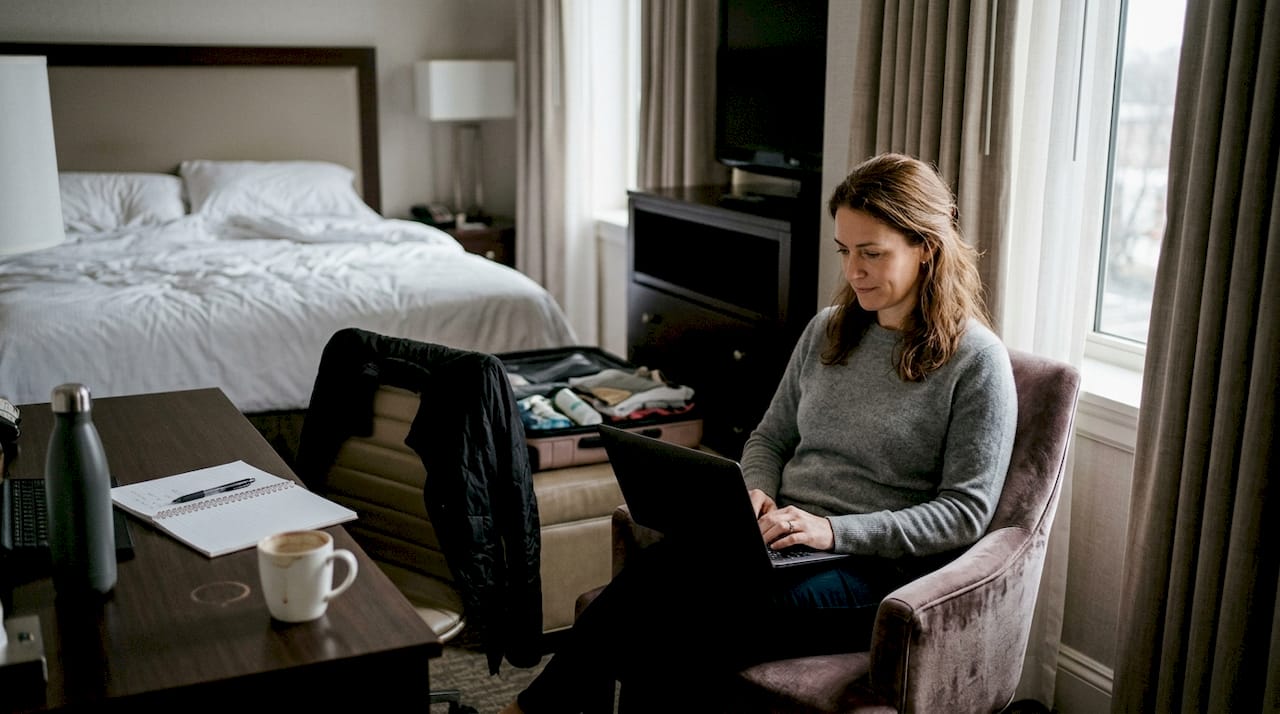
Your travel purpose should drive your room selection strategy, as different trip types demand distinct features and layouts. Business travellers prioritise executive or deluxe rooms and suites with dedicated workspaces and executive lounge access. These rooms typically include ergonomic desk chairs, adequate lighting for evening work, and convenient power outlets near the workspace. Executive lounge access provides complimentary breakfast, evening refreshments, and quiet spaces for informal meetings or catching up on emails between appointments.
Tourists and leisure travellers benefit from different priorities. Location often trumps room size, as you’ll likely spend more time exploring than relaxing in your room. Standard or deluxe rooms with comfortable beds and good blackout curtains support recovery after long sightseeing days. However, families prefer suites or family rooms with multiple beds and kitchens for longer stays, where having separate living spaces prevents everyone from feeling cramped.
Connecting rooms offer practical advantages for extended families or groups travelling together. Two standard rooms with an interior connecting door cost less than a single suite whilst providing similar benefits. Children stay within earshot whilst adults maintain their own sleeping quarters. This arrangement works particularly well for grandparents travelling with grandchildren or two couples sharing holiday expenses.
Special needs require early consideration during the booking process. Accessible rooms book quickly, so travellers requiring mobility features should reserve well in advance and confirm specific amenities directly with the hotel. Pet-friendly rooms similarly have limited availability, and some properties restrict pets to ground-floor rooms or specific wings. Confirming these details prevents disappointment upon arrival.
Consider business-friendly accommodation features when your trip combines work and leisure. Rooms with sitting areas allow you to take video calls without colleagues seeing your unmade bed in the background. Mini-fridges store snacks and beverages, reducing expensive room service charges during late-night work sessions.
Pro Tip: For stays longer than three nights, prioritise room features over price. The cumulative comfort of a better workspace, quieter location, or extra space significantly impacts your productivity and enjoyment, making the additional cost worthwhile when divided across multiple days.
Applying hotel booking tips specific to your travel purpose ensures you secure rooms that enhance rather than merely accommodate your trip.
How to secure the best hotel room location and avoid common pitfalls
Room location within the hotel dramatically affects your stay quality, yet many travellers overlook this crucial factor when booking. Aim for rooms on the third to sixth floors, which balance accessibility with reduced street noise. Ground floors suffer from foot traffic sounds and security concerns, whilst top floors mean longer waits for lifts during busy periods. Mid-level floors provide the sweet spot for most travellers.
Requesting specific preferences directly with hotels, such as high floors and quiet wings, improves room assignment outcomes. Hotels use sophisticated systems to match guests with available inventory, but direct requests carry more weight than third-party booking notes. Call the hotel after booking to note your preferences in their system. Mention specific needs like quiet rooms away from lifts or ice machines.
Follow these steps to maximise your chances of securing preferred room locations:
Book directly through the hotel website or phone rather than third-party sites, giving you direct communication channels
Join the hotel’s loyalty programme before booking, as members receive priority for room assignments and upgrades
Call the hotel 48-72 hours before arrival to confirm your preferences and check if better rooms have become available
Arrive during off-peak hours when front desk staff have more time to accommodate special requests
Remain polite but specific about your needs, explaining why certain features matter for your stay
Avoid run-of-house bookings if you want control over room location, as hotels assign these randomly, often placing guests near lifts or facing busy streets. These discounted rates save money but sacrifice choice. If you book run-of-house, you might end up next to the service lift that operates all night or overlooking a loading dock where deliveries begin at 5am.
Corner rooms offer distinct advantages worth requesting. They typically feature windows on two walls, providing better natural light and cross-ventilation. The extra exterior wall also means fewer neighbouring rooms, reducing noise from adjacent guests. Corner rooms on higher floors often provide the best views without the premium suite pricing.
Location factor | Best choice | Why it matters | What to avoid |
Floor level | 3rd-6th floors | Balances quiet with lift access | Ground floor (noise, security) or top floor (lift waits) |
Position | Corner rooms, mid-corridor | Fewer neighbours, better views | Near lifts, ice machines, or stairwells |
View | Away from streets, car parks | Reduces traffic noise | Overlooking loading docks or busy roads |
Proximity | Near front desk for solo travellers | Added security, quick assistance | Near pools or conference rooms if seeking quiet |
Women travelling alone should request rooms near the front desk for added security and peace of mind. This location provides quick access to staff if concerns arise and places you in the most monitored section of the property. Families should seek rooms away from noisy areas like pools and lifts, particularly if travelling with young children who need consistent sleep schedules.
“The difference between a good stay and a great stay often comes down to room location rather than room category. I’ve had £200 suites ruined by noise and £80 standard rooms that were perfect because they were tucked away in a quiet corner.” - Experienced hotel consultant
Upgrade to rooms with views or executive lounges when staying longer, as the enhanced value compounds over multiple days. A £30 per night upgrade feels expensive for one night but reasonable when spread across a week-long stay, especially if lounge access includes breakfast and evening refreshments.
Pro Tip: Use group hotel booking strategies even for couples or small families. Booking multiple rooms together often qualifies for group rates and gives you negotiating power for preferred locations, ensuring your rooms are near each other in quiet sections.
Applying these location strategies when booking affordable stays ensures you get the best possible room within your budget.
Understanding hotel room pricing and upgrade considerations
Pricing structures significantly influence room selection decisions, with price being the most influential factor at 31% in hotel room selection, followed by location at 17% and promotions. Understanding how hotels price rooms helps you identify genuine value versus marketing tactics. Base rates typically reflect room size and bed configuration, whilst location-based premiums apply to rooms with desirable views or quiet positions.
Upgrades add value through enhanced space, better views, and lounge access, but worthiness varies by context. Upgrades typically cost 15-25% more but provide cosmetic and lounge access value that compounds over longer stays. A £150 deluxe room versus a £120 standard room costs £30 extra per night. For a one-night stay, that premium buys little tangible benefit. For a five-night stay, the £150 total upgrade cost becomes reasonable when it includes daily breakfast worth £15 and evening drinks worth £10 in the executive lounge.
Consider these factors when evaluating upgrade value:
Length of stay: upgrades make more sense for three or more nights when cumulative benefits offset higher costs
Included amenities: lounge access with meals can offset 40-60% of upgrade costs through food savings
Work requirements: business travellers benefit more from workspace upgrades than leisure tourists
Special occasions: celebrations justify premium rooms with better views and enhanced ambience
Booking timing: last-minute upgrades at check-in often cost less than advance upgrade purchases
Upgrade type | Typical cost increase | Key benefits | Best for |
Standard to deluxe | 15-25% | Larger space, better furnishings | Stays over 3 nights |
Deluxe to junior suite | 25-35% | Partial separation, sitting area | Business travellers, couples |
Junior to full suite | 40-60% | Complete separation, kitchen | Families, extended stays |
Executive floor | 20-30% | Lounge access, breakfast, drinks | Business trips, luxury seekers |
Promotions and booking direct often reduce costs or increase upgrade chances through loyalty programme benefits. Hotels offer members complimentary upgrades based on availability, particularly during off-peak periods when occupancy runs below 70%. Booking during shoulder seasons or mid-week increases your chances of receiving upgrades without paying premium rates.
Understanding pricing helps travellers balance budget with desired features and perks. Rather than automatically choosing the cheapest option, calculate the cost per benefit. A room with breakfast included at £140 offers better value than a £110 room when hotel breakfast costs £20. Similarly, free parking worth £15 daily makes a slightly more expensive room the economical choice.
Pro Tip: Ask about upgrade costs at check-in rather than booking them in advance. Hotels often offer last-minute upgrades at 30-50% below the published rate difference to fill premium inventory, particularly if you’re a loyalty member or booking multiple nights.
Applying a business travel accommodation checklist helps you evaluate whether premium rooms justify their costs based on your specific needs and trip duration.
Consider staying at Stag & Barrel Guest House in Elgin
Now that you understand how to select the perfect hotel room, consider applying these insights to your next trip to Moray. Stag & Barrel Guest House in Elgin offers exactly the kind of thoughtful room selection and guest-focused service this guide recommends. Our whisky-themed accommodation combines the comfort of carefully designed rooms with the personalised attention that makes your stay memorable.
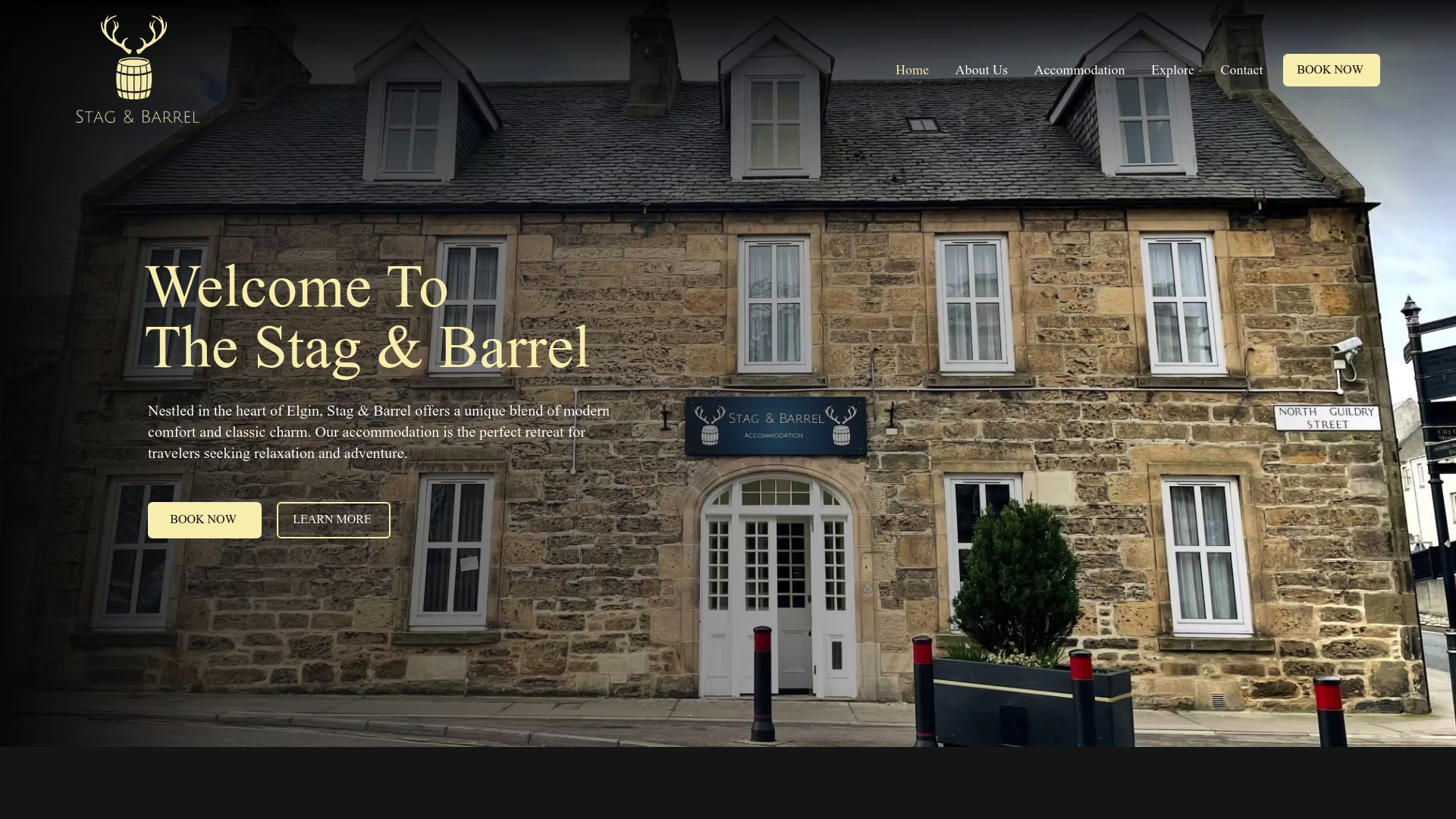
Whether you’re visiting for business or exploring the renowned Speyside whisky trail, our range of room options caters to solo travellers, couples, and small groups. We prioritise guest preferences for room location and features, ensuring you get the quiet, comfortable space you need. Booking directly with us guarantees you’ll receive personalised service and the flexibility to request specific room characteristics that matter most to your stay.
FAQ
How do I determine the best hotel room for my trip?
Consider your travel purpose, number of guests, and any special needs first. Business travellers benefit from executive rooms with workspaces, whilst families need suites or connecting rooms with multiple beds. Match room size and features to your planned activities and length of stay for optimal comfort.
What is the advantage of booking a room directly with the hotel?
Direct booking increases chances of preferred room assignment and upgrades, as hotels prioritise their direct customers over third-party bookings. You can request specific features like quiet locations or high floors, and loyalty programme members often receive complimentary upgrades. Direct communication also allows you to confirm special requirements before arrival, using group booking strategies for better rates.
How can families find hotel rooms that accommodate everyone comfortably?
Look for suites with multiple beds or connecting rooms that keep everyone together whilst providing separate sleeping areas. Kitchens and living spaces ease longer stays by allowing you to prepare simple meals and giving children room to play. Choosing guest houses with family-friendly layouts often provides better value than booking multiple separate hotel rooms.
Are hotel room upgrades worth the extra cost?
Upgrades prove worthwhile for stays longer than three nights or business travel requiring workspaces and lounge access. Calculate the value of included benefits like breakfast, parking, and evening refreshments against the upgrade cost. For short leisure stays, standard rooms usually suffice, but extended visits benefit from the enhanced comfort and amenities that premium rooms provide.
Recommended


Comments