6 Key Differences Between Hotels and Guest Houses

Updated: Apr 22
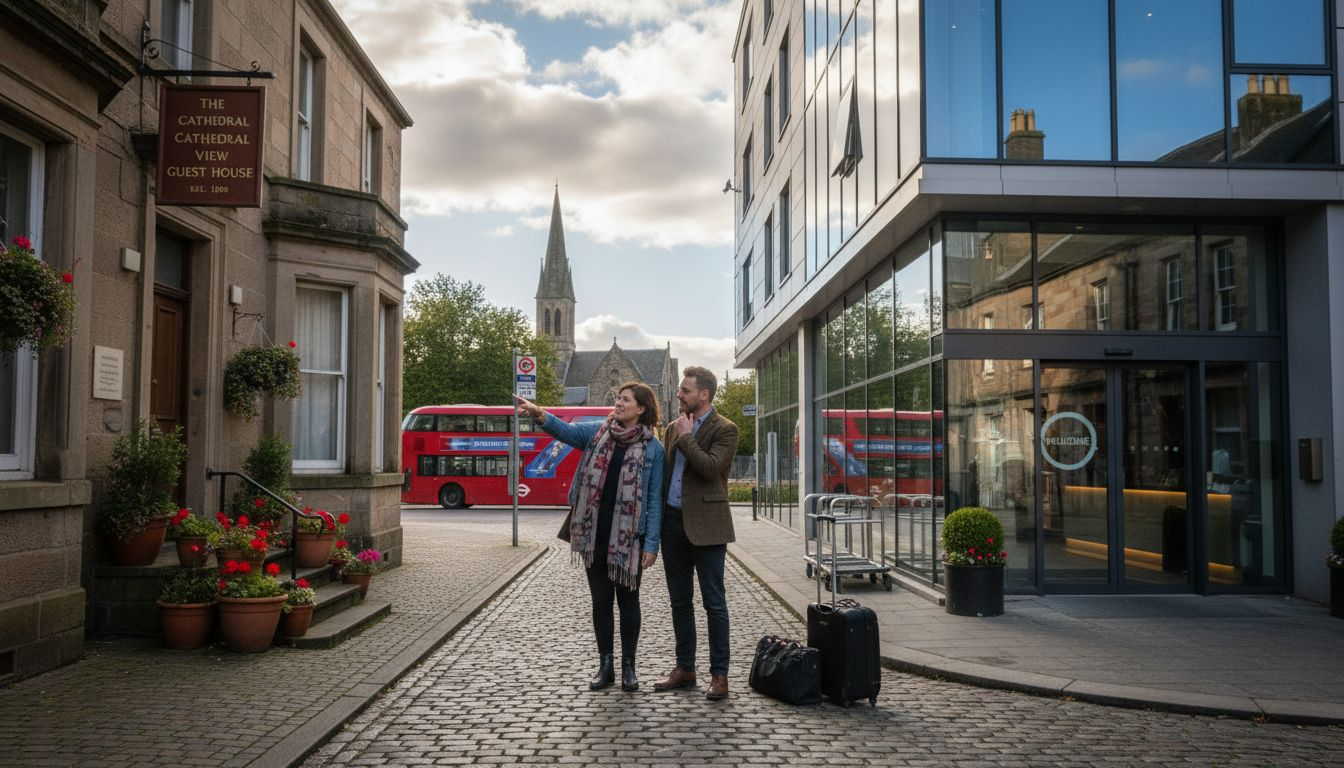
Choosing accommodation in Elgin, Scotland can leave you torn between the homely appeal of guest houses and the familiar comfort of hotels. Each option has unique advantages and trade-offs, and making the right decision can affect everything from your travel budget to the quality of your experience. With so many details to consider—from price and location to personal service and amenities—finding the best match for your stay can feel overwhelming.
This guide breaks down the practical differences between guest houses and hotels in Elgin, drawing on real facts to help you save money, enjoy authentic experiences, and select the accommodation that fits your travel goals. As you read on, you’ll discover smart insights and actionable tips that will make your choice clearer and your trip more enjoyable.
Ready to find out how your accommodation can shape your time in Elgin? The following points reveal everything you need to know before you book.
Table of Contents
Quick Summary
Takeaway | Explanation |
1. Choose guest houses for affordability | Guest houses offer lower rates compared to budget hotels, typically ranging from £35–65 per night, providing great value for budget-minded travellers. |
2. Prioritise personal service in guest houses | Guest houses provide intimate, personalised services with owners often on-site, creating a welcoming atmosphere that enhances your stay experience. |
3. Location influences convenience and cost | Hotels are usually centrally located, offering easy access to attractions, while guest houses are often in quieter areas, potentially needing longer travel times to main sites. |
4. Understand meal options for better planning | Hotels provide extensive dining options, but guest houses focus on home-cooked meals that require pre-arrangement, often offering a more authentic experience. |
5. Book guest houses directly for better rates | Contacting guest houses directly can often secure lower rates or additional perks, as it cuts out commission fees from booking platforms. |
1. Price Comparison and Value for Budget
When planning a trip to Elgin, Scotland, your accommodation choice significantly impacts your overall budget. Guest houses typically cost considerably less than hotels, making them an attractive option for budget-conscious travellers.
Hotels operate with higher overhead costs, including staff, utilities, and extensive amenities that contribute to their pricing. Guest houses, by contrast, function more efficiently with smaller teams and fewer services, allowing them to pass savings directly to guests.
Pricing dynamics have shifted dramatically in recent years. Flexible accommodation platforms like Airbnb have pressured traditional budget hotels to lower their rates and offer more flexible pricing structures. This competition benefits you as a traveller, creating genuine price wars in the accommodation sector.
Here’s what you should know about the cost differences:
Guest houses often charge £35–65 per night for a comfortable room
Budget hotels typically range from £50–90 per night
Hotels use yield management to adjust prices based on demand, season, and availability
Guest houses frequently offer fixed or slightly lower pricing throughout the year
Value extends beyond just the nightly rate. Many guest houses include complimentary features like tea and coffee, whilst hotels charge for these extras. This means your actual savings can exceed the headline price difference.
Location matters equally to price. A guest house in Elgin’s town centre might offer better value than a budget hotel on the outskirts, when you factor in transport costs and convenience.
Research shows that budget-conscious travellers consistently prefer guest houses for better value, whilst hotels may offer enhanced comfort at a higher price point. Your choice depends on whether you prioritise lower costs or additional amenities.
Pro tip: Book guest houses directly rather than through booking platforms, as they often offer lower rates when you contact them by telephone or email, cutting out the middleman commission.
2. 2. Room Options and Amenities Provided
The range of room choices and amenities offered is one of the most visible differences between hotels and guest houses. Understanding what each provides helps you select accommodation that matches your actual needs and preferences.
Hotels typically offer multiple room categories to suit different budgets and group sizes. You might choose between standard rooms, superior rooms, family suites, or luxury options, each with varying levels of comfort and features.
Guest houses, conversely, usually offer fewer room types with a more uniform setup. You often get one or two standard options rather than an extensive menu of choices.
When it comes to in-room features, the contrast becomes clearer. Hotels commonly provide hotel amenities from fitness centres to internet access, safes, televisions, and en-suite bathrooms as standard. Guest houses focus on essentials like comfortable beds and basic bathrooms, prioritising simplicity over gadgetry.
Here’s what you typically receive at each accommodation type:
Hotel amenities:
Room service and 24-hour front desk support
On-site restaurants, bars, and cafés
Fitness centres and sometimes swimming pools
Conference facilities and business centres
In-room entertainment systems and minibars
Guest house amenities:
Homely common areas for socialising
Complimentary tea and coffee facilities
Local knowledge from friendly hosts
Often a cooked breakfast included
Quieter, more intimate atmosphere
Guest houses prioritise personalised experiences and local cultural immersion over extensive facilities, appealing to travellers seeking authentic connections rather than standardised luxury.
For your Elgin visit, consider what actually matters to you. If you plan to spend most time exploring the town and surrounding Moray countryside, a guest house’s basic but comfortable setup suffices perfectly. If you prefer not venturing out for meals or need professional business facilities, a hotel’s comprehensive amenities become more valuable.
Many guest houses in Elgin compensate for fewer amenities by offering exceptional hospitality and insider recommendations for local attractions, restaurants, and activities you won’t find in guidebooks.
Pro tip: Contact guest houses directly to ask about specific amenities before booking, as many offer unexpected extras like welcome packs, packed lunches, or evening meal arrangements that don’t appear on their websites.
3. 3. Level of Personal Service and Atmosphere
The experience of staying somewhere extends far beyond the physical room. Personal service and atmosphere fundamentally shape whether you feel like a guest or simply a customer transaction.
Guest houses excel at creating intimate, family-like environments. The owners typically live on-site and interact directly with guests, remembering your name and preferences. This isn’t scripted hospitality but genuine warmth from people invested in your visit.
Hotels operate differently due to their scale and structure. Staff follow standardised procedures and professional protocols, providing consistent but less personalised service. You receive excellent support, but interactions remain more formal and transactional.
The atmosphere you experience differs considerably between the two. Guest houses encourage social connection and cultural immersion. Guests often gather in common areas, sharing travel stories and recommendations over breakfast or evening tea. The hosts become local guides, offering insider knowledge about Elgin that guidebooks never capture.
Hotels focus on efficiency and professional ambiance. Guests typically retreat to private rooms after checking in, with minimal interaction beyond requesting services. This suits travellers who value privacy and independence, but it lacks the communal warmth guest houses provide.
Consider how personalised service enhances guest stays by creating meaningful connections and memorable experiences beyond basic accommodation.
Here’s what distinguishes the two atmospheres:
Guest house experience:
Hosts greet you by name and remember preferences
Breakfast becomes a social gathering point
Personal recommendations for local restaurants and attractions
A sense of belonging to a small community, even temporarily
Authentic, unpolished but genuine hospitality
Hotel experience:
Professional, consistent service from trained staff
Room service available at any hour
Anonymous interactions that respect privacy
Standardised comfort and predictability
Less opportunity for personal connections
The physical environment and hospitality atmosphere significantly impact overall satisfaction, with guest houses fostering social interaction whilst hotels emphasise professional service standards.
Your choice depends on what energises you during travel. Introverts seeking solitude prefer hotels’ quieter atmosphere. Social travellers keen to meet fellow visitors and locals gravitate towards guest houses.
Pro tip: Ring ahead to guest houses in Elgin and chat with the owner about your interests; they’ll tailor your experience with personalised suggestions that transform your stay from ordinary to unforgettable.
4. 4. Location and Accessibility in Elgin
Where your accommodation sits geographically can make or break your stay. Location affects everything from transport costs to convenience, so understanding the differences between hotel and guest house placement matters significantly.
Hotels typically occupy strategic central locations near key attractions, transport hubs, and shopping districts. This positioning prioritises accessibility and convenience, reducing your need to travel for meals, entertainment, or business purposes. You pay for this prime location through higher room rates.
Guest houses scatter throughout Elgin’s residential neighbourhoods and quieter areas. They occupy more diverse locations away from the commercial epicentres, which enhances cultural experiences and provides authentic local living spaces. This trade-off means occasionally longer walks or bus journeys to reach main attractions.
For Elgin specifically, location strategy depends on your travel priorities. The town centre hosts most hotels, placing you within walking distance of shops, restaurants, and historic landmarks like Elgin Cathedral. Guest houses spread across the broader area, offering peaceful settings whilst maintaining reasonable access to town amenities.
Consider what Elgin’s travel highlights and attractions mean for your daily routine when choosing accommodation placement.
Here’s how location impacts your experience:
Hotel advantages:
Proximity to restaurants, cafés, and shops
Walking distance to attractions and entertainment
Easy access to public transport and taxis
Convenient for business meetings and events
Guest house advantages:
Quieter, more residential neighbourhoods
More authentic local atmosphere
Often closer to countryside walks and natural areas
Lower stress from urban bustle
Hotel accessibility clustering near key points of interest provides strategic advantages for those wanting immediate convenience, whilst guest house diversity enhances cultural immersion and peaceful settings.
Accessibility extends beyond simply reaching attractions. Consider your mobility needs, whether you’re travelling with children, or if you require proximity to specific services. Hotels’ central placement suits those prioritising easy access to facilities, whilst guest houses appeal to travellers content with slightly longer journeys in exchange for quieter environments.
Elgin’s compact size means most guest houses remain within reasonable distance of main attractions, typically a ten to fifteen minute walk or short bus ride. This differs from larger cities where peripheral guest houses become genuinely inconvenient.
Pro tip: Check a guest house’s exact address on a map before booking, then confirm walking distance to Elgin’s main attractions and verify nearby bus stops if you lack a car.
5. 5. Meal Services and Dining Flexibility
How you eat during your stay significantly impacts both your budget and overall experience. The dining approach differs substantially between hotels and guest houses, affecting everything from convenience to cost.
Hotels typically offer comprehensive dining options with in-house restaurants, room service, and specialised menus for dietary requirements. You can order meals at any hour, enjoy various cuisines without leaving the building, and request specific dietary accommodations. This convenience comes at premium prices.
Guest houses provide simpler, homemade-style meals with more flexible but limited timing. Breakfast often arrives at set times, typically between 7 and 9 in the morning. Evening meals happen by prior arrangement rather than on-demand service.
The quality differs too. Hotel meals follow standardised recipes and presentation standards. Guest house meals reflect personal cooking styles and local ingredients, often feeling more authentic and tailored to individual tastes.
Dietary requirements need different approaches at each accommodation type. Hotels maintain specialised menus accommodating diverse dietary needs, including vegan, gluten-free, and allergy-conscious options. Guest houses adapt willingly but require advance notice so hosts can shop appropriately.
Here’s how meal services compare:
Hotel dining:
In-house restaurants open extended hours
Room service available throughout the day
Multiple cuisine options at your fingertips
Professional preparation and presentation
Premium pricing built into accommodation costs
Guest house dining:
Hearty, home-cooked breakfasts typically included
Evening meals available by arrangement
Family-style or communal dining encouraged
Authentic local flavours and ingredients
Often more cost-effective overall
Hotels prioritise convenience with diverse dining options and flexible timing, whilst guest houses emphasise authentic homemade meals with advance planning required for special requests.
For budget travellers in Elgin, guest houses offer significant savings. Including breakfast eliminates daily café visits, and arranging evening meals means enjoying home-cooked food at reasonable rates. Hotels tempt you constantly with room service and restaurants, increasing expenses beyond the initial booking price.
If you have specific dietary needs or allergies, contact your chosen accommodation directly. Guest house owners become invested in feeding you well once they understand your requirements, whilst hotels follow standardised protocols.
Pro tip: When booking a guest house, email the owner about dietary needs, food preferences, and meal timings before arrival, allowing them to prepare authentic local dishes tailored specifically to your tastes.
6. 6. Booking Process and Check-in Experience
How you book and arrive at your accommodation sets the tone for your entire stay. The booking and check-in experience differs markedly between hotels and guest houses, affecting convenience and first impressions.
Hotels offer streamlined digital booking through their websites, major platforms like Booking.com, and dedicated apps. You receive instant confirmation, can modify details online, and often access digital room keys before arrival. The process feels impersonal but efficient.
Guest houses typically require more personal interaction. You might book through their website, email, or telephone. Confirmation happens within hours rather than seconds. This human touch means someone reads your special requests and remembers your preferences.
Check-in exemplifies this difference dramatically. Hotels increasingly use automated technology for speed and convenience. Over 80% of travellers accept fully automated front desks, with many preferring digital check-in via apps or kiosks for efficiency. You scan your passport, receive your key, and head directly to your room.
Guest houses greet you personally at check-in. The owner or manager welcomes you, provides house keys, explains local details, and answers questions. This takes longer but feels warmer and more welcoming.
Understanding the guest house booking process in Elgin helps you navigate their typically more flexible but less automated systems.
Here’s what separates the two experiences:
Hotel booking and check-in:
Instant online confirmation and payment processing
24-hour automated or staffed reception
Digital key card or mobile room access
Minimal personal interaction
Standardised procedures for all guests
Guest house booking and check-in:
Personal email or phone conversation with owner
Flexible check-in by prior arrangement
Handover of physical keys with welcome chat
Personalised house orientation
Special requests easily accommodated
Technology-driven hotel check-ins prioritise efficiency and convenience, whilst guest house personal welcomes build immediate connections and provide invaluable local knowledge.
For budget travellers, consider whether you value speed or warmth. Hotels suit those arriving late or departing early, needing no human interaction. Guest houses work better when you enjoy personal service and can arrange check-in times with owners.
Guest houses rarely accommodate last-minute bookings, so plan ahead. Hotels accept walk-ins but charge premium rates. If you have specific arrival times, communicate clearly when booking guest houses rather than assuming flexibility.
Pro tip: When booking a guest house, confirm your exact arrival time, ask about late arrivals, and request a brief welcome call the day before to confirm arrangements and get owner contact details.
Below is a comprehensive table summarising the key insights from the article about accommodation selection in Elgin, Scotland, focusing on preferences for guest houses versus hotels.
Aspect | Guest Houses | Hotels |
Pricing | Typically cost-efficient (£35–65 per night), stable pricing | Higher rates (£50–90 per night), variable based on demand |
Amenities | Basic yet homely offerings, such as tea/coffee and social areas | Comprehensive facilities like fitness centres, restaurants, and entertainment |
Service Experience | Personal and intimate interaction during check-ins, tailored recommendations, and warm atmosphere | Professional and efficient service, ideal for privacy and consistency |
Location | Often situated in residential areas, providing tranquil settings and authentic cultural immersion | Centrally located for close proximity to attractions and business conveniences |
Dining | Focus on homemade-style meals with local ingredients, requiring cooperation for dietary customisation | Extensive dining options with flexibility, including room service available any time |
Booking & Check-in | Personal and flexible booking, with warm welcoming by the owner providing insight about the surroundings | Automated, standardised procedures enabling swift check-in/check-out processes |
Discover the Ideal Stay in Elgin by Choosing Wisely
Deciding between a hotel and a guest house in Elgin can be challenging when balancing price, personal service, amenity needs and location. This article highlights key pain points such as finding authentic hospitality versus professional convenience, navigating meal flexibility, and securing a booking experience tailored to your preferences. If you seek the perfect accommodation that matches your budget without sacrificing comfort or local charm, consider exploring our carefully selected options that bring these choices to your fingertips.
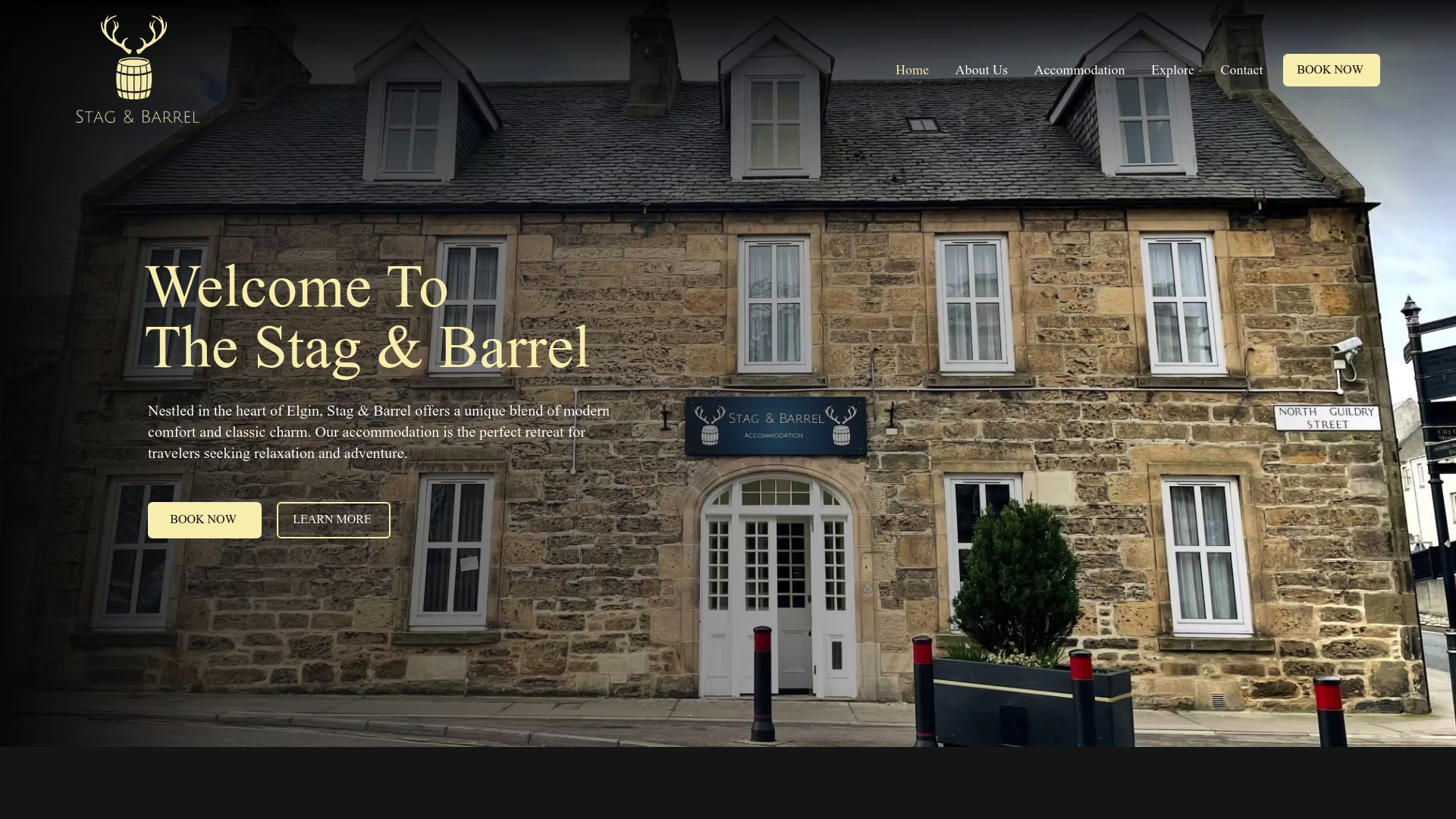
Explore authentic guest house stays with genuine local hosts or enjoy the streamlined convenience of hotel services by visiting Hotel Guest House. Start your booking journey now at Stag and Barrel and secure the ideal Elgin accommodation that meets your expectations for price, atmosphere and location. Don’t wait to transform your trip into a memorable experience by choosing the right place to stay today.
Frequently Asked Questions
What are the main cost differences between hotels and guest houses?
Guest houses typically charge lower rates, often ranging from £35–65 per night, while budget hotels range from £50–90 per night. Consider researching guest houses directly to potentially secure lower rates and save on accommodation costs.
How do the amenities compare between hotels and guest houses?
Hotels usually offer a wide range of amenities including room service, fitness centres, and multiple dining options, while guest houses focus on essential comforts like cosy bedrooms and basic breakfast offerings. When booking, think about which amenities are most important for your stay to help guide your choice.
How does the level of personal service differ in hotels and guest houses?
Guest houses often provide a more personalised experience with owners living on-site and offering direct interaction, while hotels focus on efficient service through trained staff. If you prefer a warm and friendly atmosphere, opt for a guest house for a more intimate experience.
What should I consider regarding the location of hotels versus guest houses?
Hotels are typically situated in central locations close to attractions, while guest houses can be found in quieter residential areas. Assess your travel priorities and decide whether you value convenience or an authentic local experience when selecting your accommodation.
How flexible are dining options at hotels compared to guest houses?
Hotels often feature in-house dining with extended hours and various menus, whereas guest houses typically offer simpler, home-cooked meals with fixed breakfast times. Consider what dining arrangements best suit your schedule and preferences before making a booking.
What is the booking process like for hotels versus guest houses?
Hotels generally provide quick, automated booking systems, while guest houses often involve personal interaction to confirm details. To enjoy a more customised experience, reach out directly to guest houses to discuss your needs and preferences during the booking process.
Recommended


Comments