Master group accommodation workflow for seamless Elgin events
- Steve Sadler

- Mar 16
- 7 min read

Coordinating accommodation for large groups in Elgin presents unique challenges that can make or break your event. Between juggling room allocations, managing diverse guest preferences, and navigating seasonal demand fluctuations, event planners need robust systems to deliver exceptional experiences. This guide walks you through proven strategies for building efficient group accommodation workflows, from initial preparation through execution and verification. You’ll discover practical tools, contract negotiation tactics, and data-driven approaches that transform complex bookings into streamlined operations whilst enhancing guest satisfaction across every touchpoint.
Table of Contents
Key takeaways
Point | Details |
Technology drives efficiency | Centralised booking platforms and CRM systems reduce errors and enable real-time coordination |
Contract terms protect budgets | Negotiating cancellation policies and attrition clauses mitigates financial risk in fluctuating markets |
Data improves outcomes | Analytics predict guest preferences and optimise room allocation for higher satisfaction |
Agile methods enable adaptation | Iterative workflow refinements respond quickly to changing group needs and booking patterns |
Understanding group accommodation workflows
A group accommodation workflow encompasses the systematic processes you use to manage bookings, coordinate guest requirements, and deliver seamless experiences for large parties. These workflows matter because they directly impact your operational efficiency, cost control, and ultimately the success of events you’re organising in Elgin. When executed properly, they eliminate communication breakdowns, prevent overbooking disasters, and ensure every guest receives the personalised attention they expect.
Group accommodation workflows combine three essential components working in harmony. First, technology platforms provide the infrastructure for managing reservations, tracking preferences, and automating routine communications. Second, clear communication protocols establish how information flows between planners, accommodation providers, and guests throughout the booking lifecycle. Third, well-structured contracts define expectations, responsibilities, and contingencies that protect all parties involved.
Modern workflows leverage agile project management principles to remain flexible as group needs evolve. Rather than rigid linear processes, you’ll benefit from iterative approaches that allow quick adjustments based on real-time feedback and changing circumstances. This adaptability proves especially valuable when managing events in destinations like Elgin, where seasonal tourism patterns and local events can shift availability and pricing unexpectedly.
Data-driven decision making elevates workflows from administrative tasks to strategic advantages. By analysing historical booking patterns, guest feedback, and market trends, you can anticipate challenges before they emerge and allocate resources more effectively. Key workflow elements include:
Centralised reservation management systems that consolidate all booking information
Automated confirmation and reminder sequences reducing manual follow-up
Real-time availability tracking preventing double bookings
Integrated payment processing streamlining financial transactions
Guest preference databases enabling personalised service delivery
Exploring comprehensive group accommodation planning tips helps you build workflows tailored to your specific event requirements and guest demographics.
Preparing for group bookings in Elgin: essentials and tools
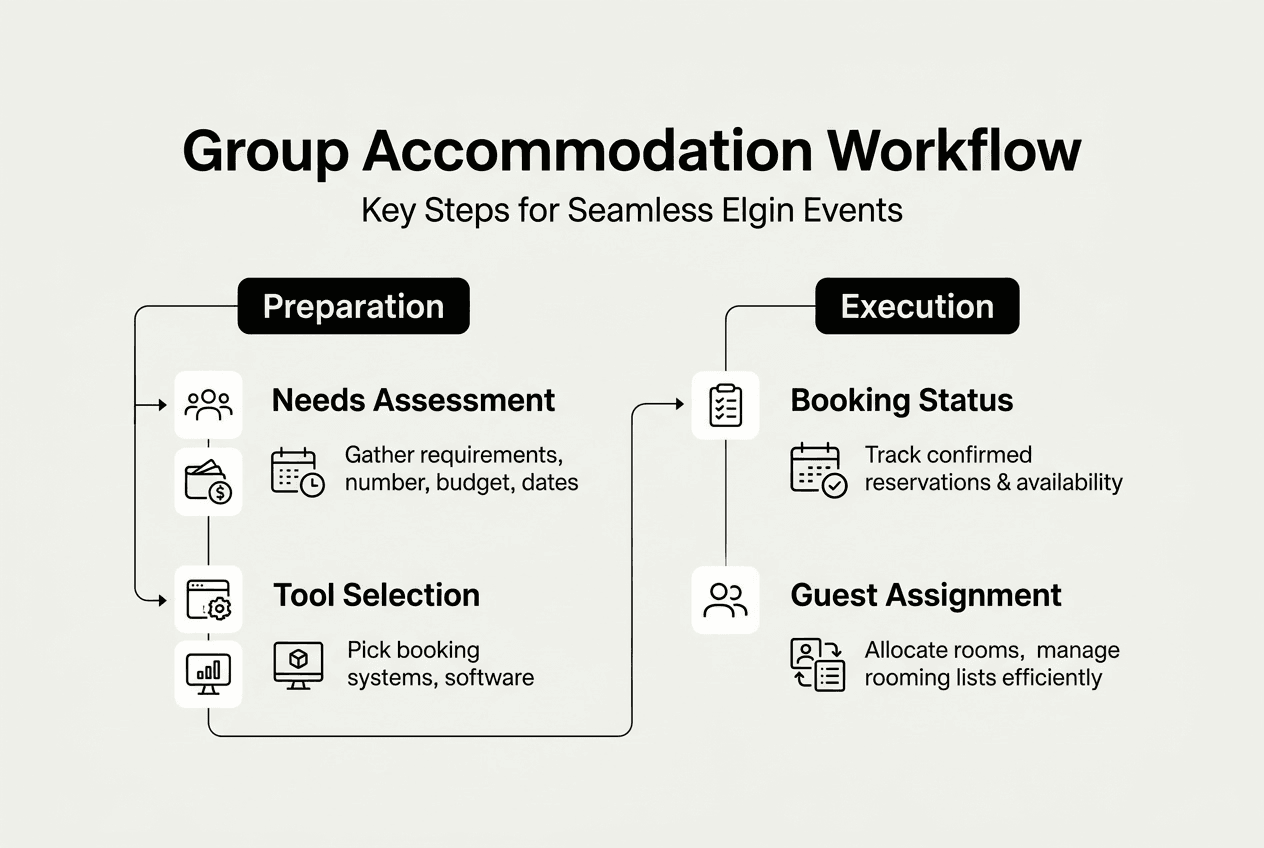
Successful group accommodation begins long before the first reservation confirmation. Start by conducting thorough needs assessments that capture group size, demographic composition, accessibility requirements, and timeline constraints. Understanding whether you’re coordinating a corporate retreat, wedding party, or sports team fundamentally shapes your accommodation strategy and vendor selection criteria.
Centralised booking tools transform scattered spreadsheets and email chains into unified command centres. Modern platforms integrate reservation management, guest communications, and financial tracking within single dashboards. These systems become particularly valuable when coordinating multiple properties or room types, enabling you to monitor availability, track deposits, and manage modifications without losing critical details in communication gaps.

Contract negotiation represents perhaps your most crucial preparation activity. Cancellation policies and attrition clauses significantly impact financial risk, especially in markets like Elgin where seasonal demand creates pricing volatility. Attrition clauses specify minimum room commitments, triggering penalties if your group shrinks below agreed thresholds. Negotiate these terms carefully, securing flexibility that accounts for realistic booking uncertainties whilst protecting providers from excessive revenue loss.
Elgin’s tourism landscape presents specific considerations that inform preparation strategies. Summer months see increased demand from whisky trail visitors and outdoor enthusiasts, whilst winter brings quieter periods with greater negotiating leverage. The Scotland visitor levy implementation adds cost considerations that affect budget planning and guest communications. Understanding these local dynamics positions you to secure better rates and terms.
Pro Tip: Request detailed property floor plans during contract negotiations to pre-assign rooms based on guest relationships and accessibility needs, reducing check-in chaos and improving initial impressions.
Tool Category | Primary Function | Key Benefit |
Booking platforms | Centralised reservation management | Eliminates data fragmentation |
CRM systems | Guest preference tracking | Enables personalised service |
Payment processors | Automated deposit collection | Reduces financial administration |
Communication tools | Scheduled guest updates | Maintains consistent engagement |
Familiarising yourself with various accommodation types in Elgin expands your options for matching properties to specific group characteristics and budgets.
Executing the group accommodation workflow efficiently
Execution transforms preparation into tangible results through systematic implementation of your booking strategy. Begin by establishing clear communication channels with both accommodation providers and group members. Designate single points of contact on each side to prevent information silos and conflicting instructions that derail coordination efforts.
Centralised platforms become operational hubs during execution, enabling real-time visibility into booking status, payment collection, and special request fulfilment. Integrate these systems with CRM tools to maintain comprehensive guest profiles that inform room assignments and service personalisation. Automated communication sequences handle routine updates, freeing your attention for complex issues requiring human judgement and relationship management.
Data analytics elevate execution from reactive problem-solving to proactive optimisation. Predicting group size and preferences through historical data analysis can improve guest satisfaction by 10-15% whilst optimising room allocation efficiency. Monitor booking velocity to identify potential shortfalls early, allowing time for targeted outreach to fence-sitters before attrition clauses trigger penalties.
Follow this proven execution workflow:
Confirm final group count and special requirements two weeks before arrival
Generate detailed rooming lists with accessibility notes and relationship groupings
Submit rooming lists to properties with payment confirmations and arrival schedules
Distribute arrival information packets to guests including check-in procedures and local resources
Conduct pre-arrival coordination calls with property managers to review logistics
Establish on-site support protocols for handling real-time issues during occupancy
Monitor guest feedback channels throughout the stay for immediate service recovery
Pro Tip: Build buffer time into your workflow checkpoints to accommodate inevitable last-minute changes without cascading delays through subsequent steps.
Data-driven workflows transform group accommodation from logistical necessity into strategic advantage, enabling planners to anticipate needs, optimise resources, and deliver experiences that exceed expectations whilst controlling costs.
Detailed group hotel booking steps provide additional execution guidance specific to Elgin’s accommodation landscape. For broader industry insights, explore group hotel booking technology applications that streamline complex coordination tasks.
Verifying results and troubleshooting common challenges
Verification closes the workflow loop by measuring outcomes against objectives and extracting lessons for future improvements. Track key performance indicators including booking completion rates, guest satisfaction scores, budget variance, and operational efficiency metrics. These measurements reveal workflow strengths to replicate and weaknesses requiring remediation.
Guest feedback collection should begin during occupancy rather than waiting for post-event surveys. Real-time monitoring through digital channels, property staff reports, and direct check-ins enables immediate service recovery when issues emerge. Quick responses to problems demonstrate commitment to guest experience whilst preventing minor frustrations from escalating into major complaints that damage your reputation.
Agile project management principles support continuous workflow refinement through iterative improvements based on data and feedback. After each event, conduct structured debriefs with your team and accommodation partners to identify process gaps, communication breakdowns, and opportunities for enhanced efficiency. Document these insights systematically to inform future booking strategies.
Common Challenge | Practical Solution |
Last-minute cancellations | Negotiate flexible attrition clauses and maintain waitlists |
Room assignment conflicts | Pre-assign based on detailed preference data |
Payment collection delays | Implement automated reminders and deposit schedules |
Special request oversights | Centralise requirements in shared systems with alerts |
Communication gaps | Designate single points of contact and use structured updates |
Troubleshooting requires proactive monitoring and rapid response capabilities:
Establish escalation protocols defining who handles specific issue types
Maintain direct contact channels with property management for urgent matters
Build contingency plans for common scenarios like overbooking or facility failures
Document resolution processes to standardise responses and reduce decision fatigue
Review incident logs regularly to identify systemic issues requiring workflow adjustments
Staying informed about evolving guest house trends 2026 helps you anticipate industry shifts that may require workflow adaptations. Technology adoption, sustainability expectations, and service personalisation continue reshaping guest expectations and operational best practices.
Discover group-friendly accommodation in Elgin at Stag & Barrel
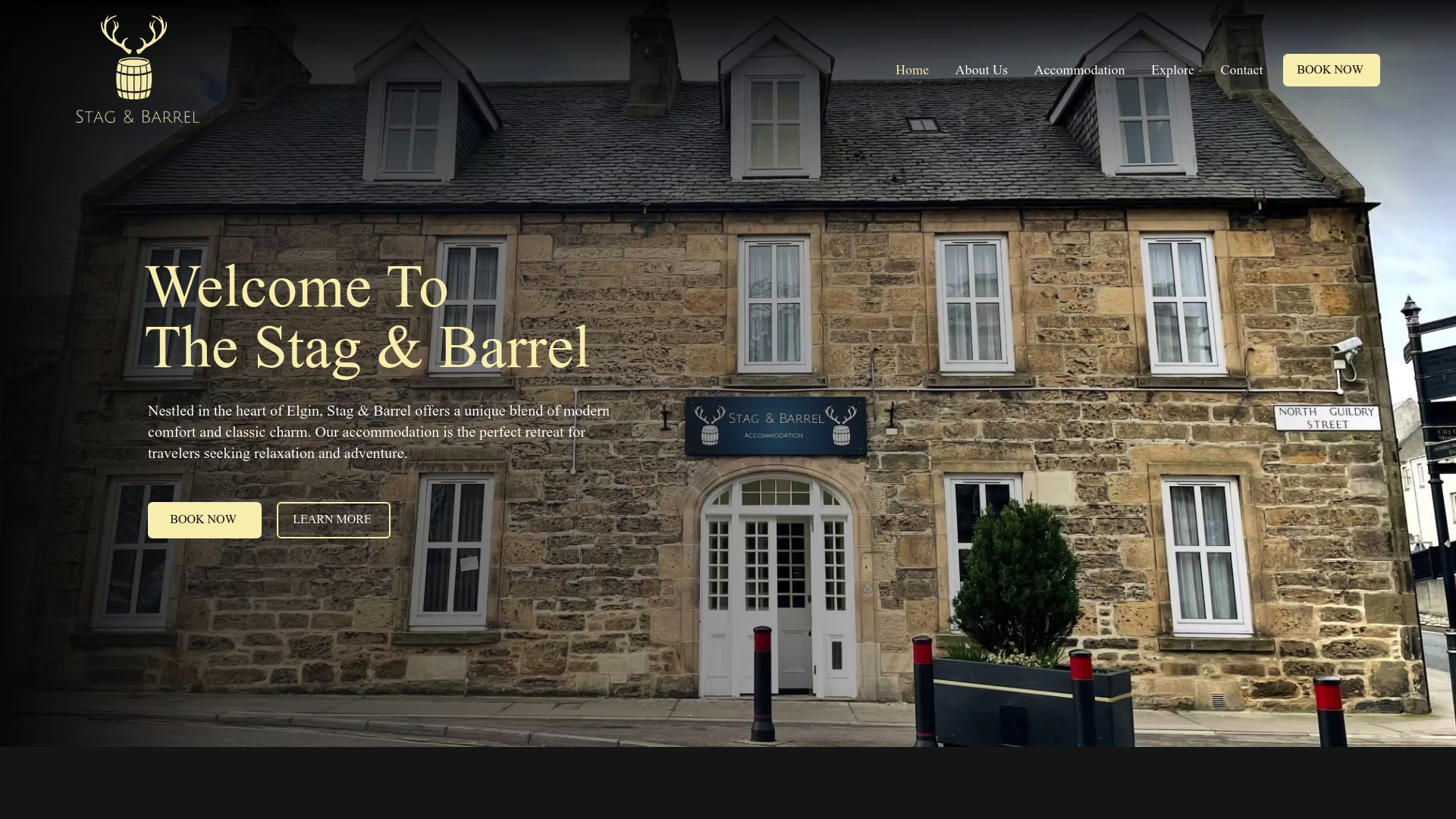
Applying these workflow principles becomes effortless when you partner with accommodation providers who understand group coordination challenges. Stag & Barrel offers the perfect blend of comfort, character, and practical amenities that make group stays in Elgin memorable for all the right reasons. Our guest house combines the personalised attention of boutique hospitality with systems designed to streamline your booking and coordination processes.
Whether you’re organising corporate retreats, family gatherings, or special celebrations, our team works alongside you to ensure seamless experiences from initial enquiry through checkout. Explore our accommodation options to discover spaces perfectly suited for groups of various sizes and preferences. For additional planning support, review our comprehensive group accommodation planning tips and detailed Elgin group hotel booking steps that complement the workflow strategies outlined in this guide.
FAQ
How can I maximise guest satisfaction when managing group accommodation?
Use data analytics to anticipate preferences and allocate rooms effectively based on relationships, accessibility needs, and past behaviour patterns. Maintain clear communication throughout the booking lifecycle and handle special requests promptly to demonstrate attentiveness. Real-time monitoring during occupancy enables immediate service recovery when issues emerge.
What are key contract clauses to negotiate for group bookings in Elgin?
Focus on cancellation policies and attrition clauses that provide flexibility whilst protecting providers from excessive revenue loss. Consider seasonal demand fluctuations unique to Elgin when negotiating rates and minimum commitments. Secure detailed terms covering payment schedules, modification procedures, and force majeure provisions.
Which technologies best support efficient group accommodation workflows?
Centralised booking platforms consolidate reservation management, availability tracking, and financial processing within unified dashboards. CRM systems maintain comprehensive guest profiles enabling personalised service delivery. Automated communication tools handle routine updates whilst data analytics predict preferences and optimise resource allocation.
How far in advance should I begin planning group accommodation in Elgin?
Start planning six to twelve months ahead for large groups or peak season events to secure optimal availability and rates. This timeline allows thorough needs assessment, contract negotiation, and system setup before booking velocity accelerates. Shorter lead times work for smaller groups or off-peak periods but limit negotiating leverage.
What contingency plans should I prepare for group accommodation challenges?
Develop escalation protocols defining who handles overbooking, facility failures, and guest complaints. Maintain relationships with alternative properties for emergency relocations. Build payment buffers to absorb unexpected costs without budget crises. Document resolution processes to standardise responses and reduce decision-making delays during crises.
Recommended


Comments