Role of Personalised Service in Guest Houses – Enhancing Stays


Choosing where to stay in Elgin can feel impersonal when guest houses treat every booking the same. For small business owners who believe travel should be truly memorable, finding accommodation that values individual needs is a game changer. Personalised service means tailoring every aspect of a guest’s stay to their individual preferences and expectations, transforming ordinary nights into experiences worth repeating and sharing. Discover how a thoughtful approach to guest interaction can set your Elgin business apart and create lasting impressions for every visitor.
Table of Contents
Key Takeaways
Point | Details |
Personalised Service Enhances Experience | Tailoring service to individual preferences transforms a transactional stay into a memorable experience that encourages recommendations. |
Attention to Detail is Key | Consistent and thoughtful attention to guests’ needs, such as preferences and special occasions, can significantly improve guest satisfaction. |
Technology Supports, But Human Touch is Essential | While technology can aid in remembering guest details, genuine human interaction is what truly enhances the personalised experience. |
Strategic Focus on Personalisation | Implementing a tiered approach to personalisation ensures that resources are effectively allocated, particularly for repeat guests and special circumstances. |
Defining Personalised Service in Guest Houses
Personalised service in guest houses goes far beyond simply remembering a guest’s name or offering standard amenities. It’s about understanding what each visitor truly needs before they even ask for it. This approach transforms a transactional stay into a memorable experience that guests want to repeat and recommend to others.
At its core, personalised service means tailoring every aspect of a guest’s stay to their individual preferences and expectations. Rather than applying a one-size-fits-all formula, you acknowledge that someone visiting Elgin for a business conference has entirely different needs from a family on holiday or a couple seeking a romantic escape. Creating travel experiences tailored to individual preferences involves understanding your guests as people, not just room bookings.
Personalisation operates on several practical levels:
Guest preferences — How they like their tea, their preferred room temperature, whether they want breakfast early or late
Communication style — Some guests appreciate detailed information upfront; others prefer minimal interaction until needed
Special occasions — Recognising birthdays, anniversaries, or business milestones without being intrusive
Accessibility needs — Understanding mobility requirements, dietary restrictions, or sensory sensitivities
Local knowledge — Offering recommendations based on what they’ve told you about their interests, whether that’s whisky distilleries, quiet walking routes, or specific restaurants
What separates personalised service from basic courtesy is the intentionality behind each interaction. You’re not just being friendly because it’s your job—you’re actively gathering information about what matters to each guest and acting on it before they need to ask. This might mean adjusting the room setup on their second night based on feedback from the first, or ensuring a quiet room for someone who mentioned an early business call.
The relationship between personalised service and broader customer satisfaction is worth understanding. When you look at how customer service shapes guest experiences in lodging facilities, you’ll notice that personal touches are the differentiators. A clean room and reliable wifi meet expectations; personalisation exceeds them.
Technology and data play a supporting role here, though they’re not the whole story. Guest preference systems, booking notes, and even simple written records help you recall details from previous visits. But the real magic happens when you combine that information with genuine attentiveness during their actual stay. Someone who stayed with you six months ago and mentioned loving a particular local bakery will feel genuinely valued if you mention it during their next visit.
Personalisation isn’t about grand gestures—it’s about consistent, thoughtful attention to details that matter to your guests as individuals.
For small business owners running guest houses in Elgin, personalisation becomes your competitive advantage. You can’t compete on scale with large hotel chains, but you absolutely can compete on knowing your guests better and caring about their experience more deeply. This is where the relationship-building aspects of hospitality truly shine through.
Pro tip: Start a simple guest preference log for returning visitors—note dietary choices, room preferences, local interests, and any special requests. Review it before their arrival so you can greet them with relevant details and anticipate their needs without asking the same questions twice.
Types of Personalised Experiences for Guests
Personalised experiences aren’t one-size-fits-all. They span the entire journey your guests take, from the moment they first think about booking through to long after they’ve returned home. Understanding these different types helps you identify where to invest your effort and attention for maximum impact.
The guest journey naturally breaks into distinct stages, and each one presents unique opportunities for personalisation. Creating tailored experiences across pre-arrival, arrival, stay, departure, and post-stay phases means you’re meeting guests where they are, not just when they’re physically in your guest house.
Pre-arrival personalisation sets expectations and builds excitement before your guests even arrive. This might include:
Sending a welcome message that references their booking reason (business trip, anniversary, family getaway)
Asking about dietary requirements, room preferences, or accessibility needs through a pre-booking questionnaire
Providing tailored recommendations about local attractions based on their interests
Arranging specific requests like cot placement, extra pillows, or restaurant reservations
Confirming arrival times and offering flexible check-in options
Arrival experiences create that crucial first impression. This is when guests form their initial emotional connection with your property. You might greet returning visitors by name, have their preferred beverage ready, or offer a room upgrade based on availability and their history with you. For first-time guests, a personalised property tour highlighting features you know they’ll care about makes them feel genuinely welcomed rather than processed.

During their actual stay, personalisation becomes most visible and memorable. Customised amenities, tailored itineraries, and anticipatory service transform an ordinary night into something special. If you’ve noted someone loves reading, you might place a carefully curated book selection in their room. For a couple celebrating an anniversary, perhaps fresh flowers and chocolates appear without them asking. Someone with an early meeting gets their breakfast prepared at their requested time.
Departure personalisation often gets overlooked, yet it influences how guests remember their stay. A handwritten note thanking them, a small gift reflecting their interests, or simply taking time to chat about their experience leaves a lasting impression. You’re essentially saying: “Your stay mattered to us.”
Personalisation isn’t just about luxury upgrades—it’s about attention to the details that show you were genuinely thinking about that specific person.
Post-stay engagement keeps the relationship alive. Sending a personalised email asking about specific activities they mentioned, checking in after their business conference, or offering a discount code for their next visit transforms one booking into an ongoing relationship. This is how repeat guests become loyal advocates.
For small business owners in Elgin, the beauty of personalisation is that it doesn’t always require spending more money. A guest who mentioned they’re training for a half-marathon appreciates directions to a quiet running route more than a complimentary upgrade they didn’t ask for. Someone visiting for a whisky tour values specific distillery recommendations over a fancy minibar. You’re solving problems and fulfilling desires they’ve actually expressed.
Technology can support this process—booking systems that flag preferences, simple spreadsheets tracking guest information, or even handwritten notes—but the human element remains irreplaceable. The technology helps you remember; your genuine care translates that memory into action.
Pro tip: Create a simple tiered personalisation system: tier one is basic (dietary needs, room setup), tier two is thoughtful (local recommendations, small touches), and tier three is memorable (handwritten notes, small gifts). Start with tier one for every guest, then gradually add tiers based on budget and capacity.
Here’s how personalisation enhances each guest journey stage:
Guest Journey Stage | Personalisation Focus | Example Impact |
Pre-arrival | Anticipating individual needs | Guests arrive feeling welcomed |
Arrival | Memorable first impressions | Higher initial satisfaction |
During stay | Tailored in-house experiences | Increased likelihood of return |
Departure | Lasting farewell touches | Positive final memories |
Post-stay | Ongoing communication | More referrals and repeat visits |
Core Elements That Shape Guest Interactions
Guest interactions don’t happen by accident. They’re shaped by deliberate choices you make about how you communicate, what you prioritise, and how much attention you invest in understanding each person. The core elements that drive these interactions form the foundation of personalised service, and getting them right transforms casual visitors into returning guests.
The first core element is genuine attentiveness to individual preferences. This means moving beyond surface-level observations to truly understand what matters to each guest. Are they travelling for work or leisure? Do they value quiet mornings or social evenings? What details have they mentioned, even in passing? When you actively listen and remember these specifics, you signal that the guest is more than just a booking reference. Anticipating guest needs through data insights and personalised feedback allows you to tailor offerings before guests even have to ask, creating a sense of belonging and exclusivity.
The second element is emotional connection through thoughtful gestures. These don’t require expensive upgrades or elaborate interventions. A handwritten welcome note addressing a guest by name costs almost nothing but communicates genuine care. Customised itineraries built around what you know about their interests feel like they were created specifically for them, because they were. Remembering that someone mentioned enjoying morning walks and suggesting a particular route shows you were actually paying attention during conversation.
Consider these practical emotional connectors:
Handwritten notes thanking guests for their booking or acknowledging special occasions
Personalised recommendations based on interests they’ve shared (restaurants, walking routes, attractions)
Thoughtful room touches like tea selection for someone who mentioned preferring Earl Grey, or a book on local history for someone interested in Scottish heritage
Greeting by name when guests arrive, especially on subsequent visits
Follow-up messages after departure that reference specific things they mentioned
The third core element is consistency across all touchpoints. Personalisation fails when it’s sporadic. If the reception team greets someone warmly but housekeeping ignores their request from the previous day, the experience feels disconnected. Every interaction—whether it’s a conversation, a message, a room setup, or a departure chat—needs to reflect the same genuine care and attention to detail. This consistency builds trust.
Communication style forms the fourth element. Different guests want different approaches. Some prefer detailed information upfront; others like discovering things themselves. Some appreciate regular check-ins; others prefer minimal interaction. The best personalised service adapts to how each person wants to be communicated with, not how you prefer to communicate.
Technology plays a supporting role here but cannot replace human judgment. Smart room controls and AI-driven systems enhance interactions, yet they work best when combined with genuine human attention. A guest requesting late breakfast via a smart system appreciates efficiency, but they’ll remember the person who brought it with a smile and asked how their meeting went.
For small business owners, the reality is that you’re competing on these core elements, not on scale. A large hotel chain can offer impressive facilities and consistent processes, but they struggle to know individual guests the way you can. Your ability to remember that someone stayed three months ago and had a particular preference, to notice when something isn’t quite right, or to make a spontaneous gesture of kindness—these are your genuine competitive advantages.
The most powerful personalisation happens when guests feel seen as individuals, not served as transactions.
Your reception team, housekeeping, and anyone else who interacts with guests becomes part of this personalisation system. Training and communication across your team about what you’ve learned about each guest ensures that personalisation actually happens throughout their stay, not just in isolated moments.
Pro tip: Create a brief guest profile system that captures key information: arrival purpose, preferences, accessibility needs, and any memorable details from conversation. Brief your team on this before each guest arrives, and update it after departure so returning guests feel genuinely remembered.
Benefits and Business Impact of Tailored Service
Tailored service isn’t just about making guests feel warm and fuzzy, though that’s certainly a pleasant side effect. The real story is what happens to your business when you commit to personalisation. The numbers tell a compelling tale about why investing time and effort into knowing your guests actually translates into financial success and sustainable growth.
Let’s start with the most direct benefit: increased guest satisfaction and loyalty. When guests experience service tailored specifically to them, they don’t just feel satisfied—they feel valued. This emotional connection transforms occasional visitors into repeat customers. Personalised services deepen guest connections and foster loyalty by delivering experiences resonating with individual preferences, creating a foundation for long-term business relationships. Someone who had a forgettable night at a standard hotel chain will remember your guest house because you remembered their name, their coffee preference, and their interest in local history.
The financial impact is striking. Research demonstrates that personalisation improves customer satisfaction by 20% and increases revenues by 15%. That’s not incremental improvement—that’s meaningful growth. For a small guest house operation, a 15% revenue increase could mean the difference between modest profit and genuine expansion capacity. These aren’t theoretical figures; they’re measurable outcomes from hospitality businesses implementing tailored service strategies.
Consider the various revenue streams personalisation influences:
Direct booking increases — Satisfied guests book again rather than trying competitors
Premium pricing opportunity — Personalised experiences justify higher nightly rates
Ancillary spending — Guests purchase add-ons (breakfast upgrades, local experiences, restaurant reservations) when they trust you understand their preferences
Reduced cancellations — Guests feel personally committed to their stay when they’ve already built a relationship
Word-of-mouth marketing — Memorable personalised experiences generate referrals and positive online reviews
Operational efficiency represents another often-overlooked benefit. When you understand what guests need before they ask, you reduce support requests and complaints. Someone with mobility issues whose accessibility requirements you’ve already addressed won’t need to ring reception asking for adjustments. A guest who received customised restaurant recommendations won’t ring asking for suggestions. This means your team spends less time problem-solving and more time delivering exceptional service.
Personalisation also builds emotional engagement that strengthens brand loyalty. AI-driven personalisation fosters emotional engagement and loyalty, contributing to overall business success, yet human-led personalisation achieves the same effect without complex technology. A handwritten note thanking someone for their stay costs virtually nothing but creates an emotional memory that no standard welcome email can match. These moments become the stories guests tell friends and family.
For small business owners in Elgin competing against larger establishments, personalisation levels the playing field dramatically. Chain hotels can offer consistency and scale; you offer genuine relationships and tailored experiences. A guest who experienced real personalisation at your guest house won’t be tempted by a standard hotel offering, no matter how prestigious the brand. You’ve created something more valuable: a sense of belonging.
Personalised service transforms your business from a commodity accommodation provider into a destination in itself.
There’s also a competitive positioning advantage. When you actively personalise, you attract guests who value that experience over those seeking the cheapest room. This actually improves your guest mix. You’ll book fewer price-sensitive customers who complain constantly and instead attract people willing to pay fairly for genuine hospitality. Your reviews improve. Your repeat booking rate climbs. Your online reputation strengthens.
The long-term business impact deserves emphasis. Loyal repeat guests become predictable revenue. They book earlier, cancel less frequently, and spend more during their stays. They also recommend you enthusiastically, generating qualified referrals. Compare this to constantly chasing new bookings through discount promotions—it’s far more profitable and sustainable.
Pro tip: Track your repeat booking rate and average spend per guest before implementing personalisation, then measure again six months later. You’ll likely see meaningful increases in both metrics, providing concrete evidence that personalisation investments are paying tangible business returns.
Let us compare the business outcomes with and without tailored service:
Aspect | With Personalisation | Without Personalisation |
Guest Loyalty | High repeat booking rate | Low repeat booking rate |
Revenue Growth | Up to 15% increase | Largely unchanged |
Guest Reviews | Consistently positive | Mixed or neutral |
Competitive Position | Unique, hard to replicate | Competes only on price |
Operational Issues | Fewer guest complaints | Frequent problem-solving |
Challenges and Mistakes to Avoid in Delivery
Personalisation sounds straightforward in theory, but delivering it consistently reveals real challenges. The gap between intention and execution is where many guest house owners stumble. Understanding these pitfalls before you encounter them allows you to build systems that actually work rather than learning painful lessons through guest dissatisfaction.
The first major challenge is inconsistency across your team. Personalisation requires everyone interacting with guests to understand and apply the same principles. If your receptionist personalises the check-in experience but housekeeping ignores preferences, the guest feels the disconnect immediately. Poor staff training and unmet customer expectations often diminish service excellence, creating negative experiences that undo all your good work. A guest remembers the promise of personalised service, then feels let down when it doesn’t materialise consistently.
This is why documentation and team communication are non-negotiable. If you capture guest preferences but don’t share them with your entire team, personalisation fails. You need systems—whether simple written notes or digital systems—that ensure every team member knows what matters to each guest before they arrive.
The second challenge is over-personalisation or misinterpreting preferences. Personalisation isn’t nosiness masquerading as attentiveness. Some guests appreciate detailed attention; others find it invasive. If you remember that someone mentioned a difficult work project and keep asking about it, they may feel uncomfortable rather than cared for. Getting the communication style wrong for each guest creates awkwardness rather than connection.
Common personalisation mistakes include:
Assuming preferences instead of asking — You think someone looks like a coffee person, so you bring coffee without checking if they prefer tea
Remembering incorrectly — You recall someone mentioned climbing but actually they mentioned fell walking, completely different things
Pushing unwanted extras — Someone declines a restaurant recommendation twice, yet you keep offering suggestions
Invading privacy — Asking deeply personal questions or referencing sensitive information a guest mentioned in passing
Making promises you can’t keep — Suggesting a service or experience you can’t reliably deliver
Technology overshadowing humanity — Relying on automated messages so heavily that interactions feel robotic
The third significant challenge involves balancing personalisation with operational efficiency. Personalisation takes time. If you try to heavily personalise every single guest, your team becomes overwhelmed and burnt out. You end up delivering mediocre personalisation across the board rather than excellent personalisation for some guests.
The practical solution is tiering your personalisation effort. Focus intensive personalisation on guests where it matters most: regular business travellers who stay monthly, anniversary couples celebrating milestones, or anyone whose booking notes indicate special circumstances. Standard guests still receive thoughtful touches—handwritten notes, local recommendations—but not the full intensive approach. This approach is sustainable and actually more effective than spreading yourself too thin.
Technology integration mistakes represent another common pitfall. Many hospitality businesses invest in customer relationship management systems but then fail to use them properly. Staff don’t input information consistently. Data becomes outdated. The technology becomes a burden rather than a tool. Inadequate integration of technology can undermine service excellence and guest satisfaction, particularly when it replaces rather than supports human interaction.
Start simple. A spreadsheet capturing dietary requirements, room preferences, and interesting facts about each guest works better than a complex system nobody uses correctly. You can always upgrade later when you understand exactly what information you need and how your team actually works.
Unmet expectations deserve special attention. If your marketing or website promises “highly personalised service,” guests arrive expecting extensive attention. Small oversights become disappointments. They expected customisation and received basics. This is why clarity matters. If you offer personalised service, deliver it reliably. If you offer good basics with some thoughtful touches, market it that way and guests won’t feel let down.
The biggest personalisation mistake is promising more than you can consistently deliver.
Guest needs also shift over time. Someone who valued quiet solitude on their previous visit might be seeking social connection this time. Volatile and complex customer needs demand adaptability from service providers, meaning you can’t rely entirely on historical information. Ask questions. Pay attention. Update your records. Build a system flexible enough to accommodate changing preferences.
Finally, avoid assuming demographics predict preferences. Age, nationality, or appearance don’t determine what someone wants. A young person might prefer quiet and early nights; an elderly couple might want vibrant nightlife recommendations. Each guest is an individual, and that’s the whole point of personalisation.
Pro tip: Before rolling out personalisation broadly, test your system with ten returning guests you know well. Document what information you need, train your team thoroughly, then evaluate what worked and what created friction. This small-scale testing reveals real problems before they affect dozens of guests.
Elevate Guest Experiences with Personalised Service at Your Guest House
The challenge of delivering consistent personalised service that truly connects with each guest is a crucial hurdle for guest house owners. Whether it is anticipating individual preferences, maintaining emotional connections, or balancing operational efficiency, understanding and acting on these pain points transforms guest stays into memorable experiences they cherish. By embracing concepts such as genuine attentiveness, tiered personalisation, and thoughtful communication, your guest house can stand out in a competitive market.
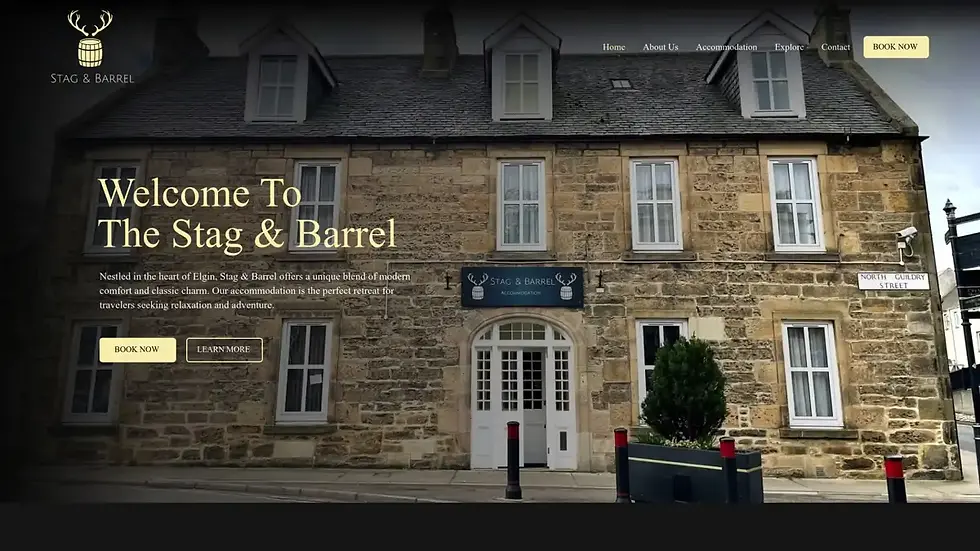
Take the next step towards transforming your guest interactions with tailored solutions from Stag and Barrel. Our expert guidance and practical tools empower small businesses to deliver personalisation that resonates deeply, fosters loyalty, and drives revenue growth. Discover how personalised service can become your most powerful asset at Hotel Guest House. Act now to ensure your guest house is not just a place to stay, but a destination guests return to and recommend.
Frequently Asked Questions
What is personalised service in guest houses?
Personalised service in guest houses involves tailoring every aspect of a guest’s stay to their individual preferences and needs, making each visit a memorable experience rather than a simple transaction.
How can guest houses implement personalised service effectively?
Guest houses can implement personalised service by maintaining a guest preference log, actively listening to guests, anticipating their needs, and ensuring that all staff members are aware of and trained in the specifics of each guest’s requirements.
What are some examples of personalised experiences in guest houses?
Examples include remembering guests’ preferred room setups, offering tailored local recommendations based on their interests, providing special touches for occasions like anniversaries, or preparing their favourite beverage upon arrival.
Why is personalised service important for guest satisfaction?
Personalised service enhances guest satisfaction by making guests feel valued and understood, leading to greater emotional connections, increased loyalty, and a higher likelihood of repeat visits and referrals.
Recommended


Comments