Serviced Apartments Vs Hotels: Smarter Choices for Elgin


Travelling to Elgin for business brings a unique set of challenges, from finding the right space for meetings to managing costs over an extended stay. Selecting between serviced apartments and traditional hotels is more than a simple decision about where to sleep. For those seeking flexible, comfortable, and cost-effective solutions, understanding the clear distinctions between these accommodation types will help you make informed choices that support both productivity and personal well-being.
Table of Contents
Key Takeaways
Point | Details |
Understanding Accommodation Types | Recognise the fundamental differences between serviced apartments and hotels to choose the best fit for your stay in Elgin. |
Cost Efficiency for Extended Stays | Serviced apartments provide significant cost savings for longer visits, lowering everyday expenses related to dining and laundry. |
Workspace Flexibility | Serviced apartments offer dedicated workspaces allowing for better productivity compared to standard hotel room setups. |
Health and Safety Measures | Prioritise accommodations with advanced health and safety protocols, especially in serviced apartments, to ensure a secure environment during your stay. |
Defining Serviced Apartments And Hotels Clearly
Understanding the fundamental differences between serviced apartments and hotels is crucial for business travellers seeking optimal accommodation in Elgin. While they might seem similar at first glance, these lodging options offer distinctly different experiences tailored to varying traveller needs.
Serviced apartments represent a unique hybrid of residential living and hospitality services. Professionally managed accommodation units combine the comfort of home with the convenience of hotel-like amenities. Unlike traditional hotel rooms, these spaces provide guests with more autonomy, privacy, and residential features such as full kitchens, separate living areas, and dedicated workspaces.
Key differences between serviced apartments and hotels include:
Space and Layout
Serviced apartments offer larger, more flexible living environments
Hotels typically provide compact, standardised room configurations
Kitchen Facilities
Full kitchens for self-catering and meal preparation
Most hotels offer only limited in-room beverage facilities
Length of Stay
Designed for extended stays (weeks to months)
Hotels optimised for short-term overnight accommodations
Hotels, by contrast, focus on short-term convenience with standardised services like daily housekeeping, room service, and on-site restaurants. These accommodations prioritise quick turnover and centralised amenities for transient guests who require minimal personal space customisation.
Pro tip: When booking accommodation in Elgin, carefully assess your stay duration and personal space requirements to select the most suitable lodging option.
Key Differences In Facilities And Services
Business travellers visiting Elgin require accommodation that precisely matches their professional and personal needs. Comprehensive service comparisons reveal significant distinctions between serviced apartments and traditional hotels that can dramatically impact guest experience and comfort.
Serviced apartments distinguish themselves through expansive living configurations that prioritise guest autonomy. These accommodations offer substantially larger spaces with separate living, dining, and sleeping areas, enabling professionals to work, relax, and maintain a home-like environment during extended stays. Full kitchen facilities allow guests to prepare meals, store personal groceries, and maintain dietary routines typically impossible in standard hotel rooms.
Key facility differences include:
Accommodation Layout
Serviced apartments: Spacious, multi-room configurations
Hotels: Compact, standardised single-room designs
Kitchen Capabilities
Serviced apartments: Fully equipped kitchens
Hotels: Limited beverage facilities, minimal food preparation options
Privacy Levels
Serviced apartments: Enhanced personal space and independence
Hotels: More communal, shared service-oriented environments
Accommodation service models reveal nuanced distinctions in service delivery. Hotels typically offer high-touch, on-demand assistance with daily housekeeping, room service, and centralised amenities like restaurants and concierge services. Serviced apartments, conversely, provide more scheduled, flexible services that emphasise guest self-sufficiency and personalised living experiences.
Pro tip: Evaluate your specific stay requirements, considering work needs, length of visit, and personal comfort preferences when selecting between serviced apartments and hotels.
Flexibility And Privacy For Business Travellers
Business professionals require accommodation solutions that adapt seamlessly to their dynamic work environments and personal preferences. Business travel accommodation strategies reveal critical distinctions between traditional hotels and serviced apartments that significantly impact professional comfort and productivity.
Serviced apartments offer unparalleled workspace flexibility for business travellers. Unlike standard hotel rooms, these accommodations provide dedicated areas for work, meetings, and personal relaxation. Professionals can transform living spaces into temporary home offices, conduct video conferences, and maintain personal routines without the constraints of typical hotel environments.
Key flexibility advantages include:
Work Environment
Private meeting spaces
Dedicated workspace configurations
Ability to host client discussions
Personal Management
Full kitchen for meal preparation
Laundry facilities
Extended storage options
Professional Autonomy
Control over daily schedule
Reduced reliance on hotel services
Enhanced personal privacy
The privacy dimension distinguishes serviced apartments as superior options for business travellers. These accommodations offer insulated, independent living spaces that shield professionals from the constant interruptions and public nature of hotel environments. Guests can manage their professional and personal boundaries more effectively, creating a sense of stability during extended business trips.

Pro tip: Request detailed floor plans and workspace configurations when booking serviced apartments to ensure optimal alignment with your professional requirements.
Cost, Tax, And Length Of Stay Implications
Financial considerations play a crucial role in selecting accommodation for business travellers, with nuanced differences between serviced apartments and hotels significantly impacting overall expenses. Cost management strategies reveal substantial economic advantages for extended stays that savvy professionals should carefully evaluate.

Serviced apartments offer remarkable cost-effectiveness for longer business trips. The integrated facilities like full kitchens and laundry services enable professionals to dramatically reduce daily expenses associated with dining out, dry cleaning, and additional services. A single night in a serviced apartment can save approximately 30-40% compared to equivalent hotel accommodations, particularly when staying beyond a week.
Key financial considerations include:
Direct Cost Savings
Reduced restaurant expenses
Lower laundry service charges
Bulk grocery purchasing options
Taxation Implications
Potential VAT differences
Varied regulatory classifications
Complex jurisdictional tax treatments
Length of Stay Economics
Decreasing per-night rates for extended bookings
Lower cumulative service charges
More predictable total accommodation costs
The tax landscape surrounding serviced apartments and hotels adds another layer of complexity for business travellers. Different jurisdictions may classify these accommodation types differently, potentially affecting VAT recovery, expense reporting, and overall financial management for corporate travellers. Professionals should consult their financial departments to understand precise tax implications specific to their organisation and travel destinations.
Pro tip: Request itemised billing and confirm tax treatment with your accommodation provider to maximise potential expense recovery and financial efficiency.
Here’s a streamlined comparison of business benefits between serviced apartments and hotels:
Benefit for Business Travellers | Serviced Apartments | Hotels |
Workspace adaptability | Custom home office zones | Standard desk, limited space |
Private client interactions | Separate meeting areas | Often requires public spaces |
Cost management | Grocery & laundry savings | Reliance on paid services |
Length of stay flexibility | Progressive discounts for long stays | Set nightly rate, less flexible |
Expense transparency | Itemised billing options | Standard invoices, fewer details |
Health, Safety, And Legal Considerations
Business travellers must carefully evaluate the health, safety, and legal frameworks surrounding their accommodation choices in Elgin. Safety regulations for hybrid accommodations reveal complex compliance requirements that distinguish serviced apartments from traditional hotel environments.
Serviced apartments demonstrate advanced safety infrastructure that addresses contemporary health concerns. These accommodations integrate sophisticated technologies like enhanced ventilation systems, smart security protocols, and rigorous cleaning methodologies that exceed standard hospitality industry benchmarks. Biometric access controls, AI-powered surveillance, and comprehensive hygiene protocols provide multiple layers of protection for health-conscious professionals.
Key safety and legal considerations include:
Health Protection Measures
Advanced air filtration systems
Electrostatic surface sanitisation
UV-C decontamination techniques
Legal Compliance
Hybrid residential-commercial regulatory frameworks
Varied occupancy classification standards
Complex building safety requirements
Security Technologies
Biometric entry systems
24/7 digital surveillance
Restricted access management
The legal landscape surrounding serviced apartments introduces unique challenges that differentiate them from traditional hotels. These accommodations must navigate complex regulatory environments, balancing residential and commercial standards. Different jurisdictions may impose varied compliance requirements based on occupancy duration, building classification, and intended use, creating a nuanced legal framework that requires careful navigation.
Pro tip: Request comprehensive safety documentation and verify specific health protocols before finalising your accommodation booking to ensure complete peace of mind.
Key safety and regulatory differences between serviced apartments and hotels are summarised below:
Safety & Legal Aspect | Serviced Apartments | Hotels |
Air quality management | Advanced filtration systems | Basic ventilation |
Security technology | Biometric & digital controls | Keycards and cameras |
Legal compliance complexity | Hybrid residential/commercial | Predominantly commercial |
Building regulations | Varied by jurisdiction | Standard hotel codes |
Choose Comfort and Flexibility for Your Stay in Elgin
Business travellers often face the challenge of finding accommodation that offers both privacy and convenience, especially when deciding between serviced apartments and hotels. If you value spacious living areas, dedicated workspaces, and the freedom to manage your own schedule with full kitchen facilities, then a serviced apartment is the smarter choice. At Stag and Barrel, we understand how important it is to balance professional requirements with personal comfort during extended stays.
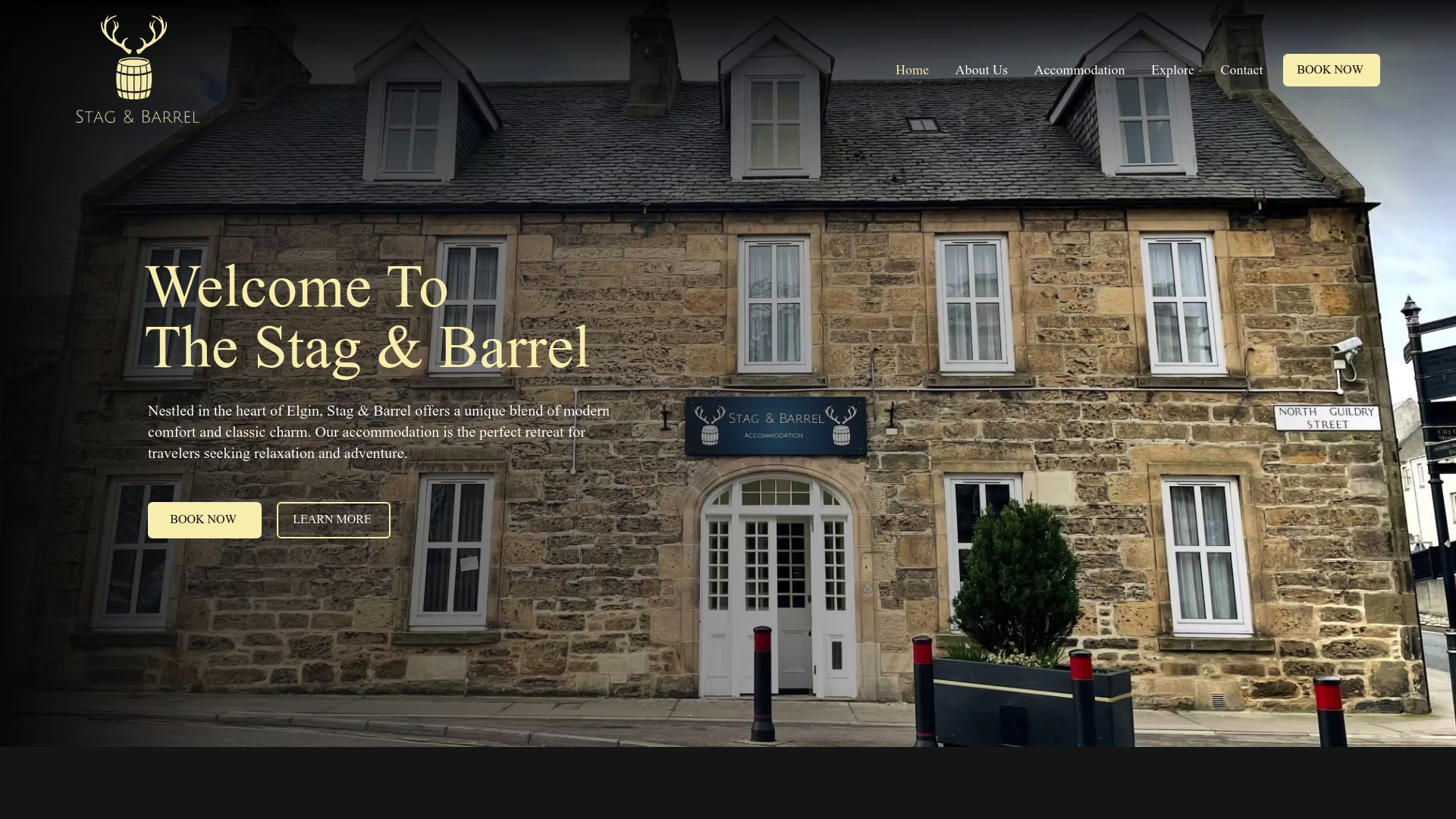
Discover how our Hotel Guest House provides a welcoming and flexible environment perfect for your business needs. Whether you require privacy to focus on work or a home-like atmosphere for relaxation, our accommodation solutions offer the ideal balance. Act now to secure a stay that supports your productivity and wellbeing in Elgin. Visit Stag and Barrel to explore your options and book with confidence.
Frequently Asked Questions
What are the main differences between serviced apartments and hotels?
Serviced apartments offer larger spaces, full kitchen facilities, and are designed for extended stays, while hotels provide compact rooms with standardised services focused on short-term stays.
How do serviced apartments benefit business travellers?
Serviced apartments provide flexible workspaces, privacy, and cost savings on meals and laundry, allowing professionals to maintain routines similar to home while traveling for work.
Are serviced apartments more cost-effective for long stays compared to hotels?
Yes, serviced apartments can save 30-40% on accommodation costs for longer stays due to their self-catering features and lower service charges.
What safety features are important in serviced apartments compared to hotels?
Serviced apartments often have advanced safety infrastructures, including enhanced ventilation systems, biometric security, and comprehensive cleaning protocols, which may exceed typical hotel standards.
Recommended


