What is all-inclusive accommodation and how does it work
- Steve Sadler

- Mar 21
- 10 min read
Updated: Apr 22

Booking a holiday should feel exciting, not confusing. Yet many travellers struggle to understand what all-inclusive accommodation actually covers and whether hidden costs will derail their budget. This guide clarifies exactly what you get with all-inclusive stays, from meals and drinks to activities and entertainment. You’ll discover the genuine benefits, potential drawbacks, and practical tips to decide if this hassle-free approach suits your travel style and helps you maximise value during your next getaway.
Table of Contents
Key Takeaways
Point | Details |
What is all inclusive | A single upfront price covers lodging meals and drinks along with on site entertainment and activities. |
Budgeting made easy | The model eliminates daily spending decisions so travellers can predict total costs before departure. |
Common exclusions | Premium spirits spa treatments off site excursions motorised water sports and private dining events may incur extra charges. |
Best suited travellers | Families and relaxation focused travellers often benefit most from the predictable costs and convenience. |
Need to verify inclusions | Always check the property specifics as inclusions and exclusions vary by tier destination and resort. |
What is all-inclusive accommodation?
All-inclusive accommodation refers to vacation packages where a single upfront price covers lodging, unlimited food and drinks, entertainment, and on-site activities, minimising additional costs during your stay. This model removes the constant mental calculation of expenses that can stress travellers at traditional hotels. Instead of reaching for your wallet every time you fancy a cocktail or want to join a yoga class, everything is prepaid.
The core package typically includes three meals daily through buffet and à la carte restaurants, though reservations are often required for speciality dining venues. House alcoholic and non-alcoholic beverages flow freely at designated bars and restaurants throughout the day. Most resorts bundle basic activities like water sports, fitness classes, and evening entertainment into the standard rate. Taxes and gratuities are generally included, eliminating the awkward question of how much to tip.
What you won’t find covered are premium services that resorts reserve as revenue generators. Exclusions commonly include top-shelf spirits, spa treatments, off-resort excursions, and speciality dining events like wine tastings or chef’s table experiences. Some resorts charge for motorised water sports, golf, or private beach cabanas. The exact boundaries vary dramatically by property tier and destination, making it essential to scrutinise what your specific booking includes.
Understanding guest amenities for hotels helps you recognise standard versus premium offerings. The all-inclusive model essentially bundles amenities that other properties charge for separately, creating perceived value through convenience. This approach aligns with broader hotel hospitality meaning principles of anticipating guest needs and removing friction from the travel experience.
Core inclusions typically cover:
Accommodation in various room categories
Buffet breakfast, lunch, and dinner daily
À la carte dining with advance reservations
House wine, beer, and standard spirits
Soft drinks, juice, tea, and coffee
Pool and beach access with loungers
Non-motorised water sports equipment
Fitness centre and group exercise classes
Evening entertainment and live shows
Kids’ clubs and supervised activities
Common exclusions you’ll pay extra for:
Premium imported spirits and wines
Spa services and beauty treatments
Off-resort tours and excursions
Motorised water sports like jet skis
Golf course fees and equipment hire
Babysitting and private childcare
Room service after certain hours
Minibar premium items
Speciality restaurant surcharges
Airport transfers at some properties
The variation between budget, mid-range, and luxury all-inclusive resorts can be staggering. Budget options might limit alcohol to specific hours or restrict à la carte dining to once weekly. Luxury properties often include premium spirits, multiple speciality restaurants, and even off-site excursions. Geography matters too, as Caribbean all-inclusives typically offer more comprehensive packages than Mediterranean counterparts, where local dining culture encourages guests to venture beyond resort gates.
Benefits and drawbacks of all-inclusive accommodation
The primary advantage lies in hassle-free budgeting that eliminates financial surprises during your holiday. You know your total cost before departure, making it easier to save and plan without worrying about daily spending. This predictability proves especially valuable for families with children who consume constant snacks and drinks, or couples celebrating special occasions who want to focus on relaxation rather than restaurant bills.

Convenience ranks as another significant benefit for travellers seeking pure relaxation. Everything exists within walking distance, from meals to entertainment to activities. You never need to research local restaurants, navigate unfamiliar neighbourhoods, or calculate currency conversions. For exhausted parents or stressed professionals, this removal of decision fatigue creates genuine value. Heavy eaters and drinkers find exceptional value, as unlimited consumption means the package pays for itself quickly compared to à la carte pricing.
Yet drawbacks involve hidden fees that can inflate costs beyond the advertised rate. Premium dining reservations, top-shelf liquor, spa treatments, and excursions all carry surcharges that accumulate rapidly. Some resorts charge for basics like WiFi, safes, or beach towels that guests reasonably expect to be included. Reading the fine print becomes essential to avoid budget shock.
Food quality and variety present another limitation. Buffets serving hundreds of guests daily often prioritise quantity over culinary excellence, leading to repetitive menus and mediocre execution. After three days of identical breakfast spreads and reheated dinner options, even enthusiastic eaters experience fatigue. À la carte restaurants offer better quality but require advance reservations and may limit visits per stay.
Cultural immersion suffers when you remain confined to a resort bubble. You miss authentic local cuisine, neighbourhood exploration, and interactions with residents beyond service staff. Your tourism pounds stay within the resort corporation rather than supporting local businesses, markets, and restaurants. For travellers who value authentic experiences and cultural exchange, all-inclusive resorts feel isolating and artificial.
“All-inclusive resorts trade authentic cultural experiences for convenience and predictability, making them ideal for relaxation-focused holidays but limiting for travellers seeking genuine local immersion and culinary exploration.”
Environmental concerns also emerge, as large resorts consume substantial resources and generate significant waste. The unlimited consumption model can encourage excess, from food waste to water usage. Some properties have improved sustainability practices, but the fundamental business model creates environmental pressure.
Key advantages include:
Predictable total cost with minimal surprises
Exceptional value for families and heavy users
Complete convenience and minimal planning
Stress-free relaxation without constant decisions
Safe, controlled environment for children
Significant disadvantages include:
Hidden fees for premium services
Repetitive buffet food quality
Limited authentic cultural experiences
Less flexibility and spontaneity
Environmental sustainability concerns
Understanding your accommodation planning checklist priorities helps determine if all-inclusive benefits outweigh limitations for your specific travel style and goals.
How to choose and make the most of all-inclusive accommodation
Verifying exactly what your package includes versus excludes before booking prevents disappointment and budget overruns. Resort websites often use vague language like “most activities included” that obscures important details. Read the full terms and conditions, not just the marketing highlights. Check whether airport transfers, premium dining, and specific activities you want are genuinely included or cost extra.
Guest reviews on independent platforms reveal the reality behind glossy brochures. Look for recent reviews mentioning food quality, service standards, hidden fees, and whether the property matches its advertised category. Pay attention to complaints about reservation systems, as popular restaurants and activities often book up quickly. Reviews from travellers with similar demographics and travel styles provide the most relevant insights.
Premium all-inclusive packages sometimes offer better value than standard tiers when they include services you’d purchase anyway. If you plan to book excursions, use the spa, or drink premium spirits, calculate whether upgrading costs less than paying à la carte. Some resorts offer airport transfers and excursions in higher packages that justify the additional upfront cost.
Reservation systems require strategic planning to secure preferred dining times and activities. Most resorts allow booking upon arrival or a few days in advance. Arrive prepared with a list of restaurants and activities you want to experience, then make reservations immediately during check-in. Popular venues fill quickly, especially during peak season. Missing out on speciality dining because you waited defeats part of the all-inclusive purpose.
Matching resort activities to your genuine interests maximises value and enjoyment. If you hate water sports but love fitness classes, choose a property with extensive wellness programming. Families should verify kids’ club age ranges and supervision quality. Couples might prioritise adult-only areas and romantic dining options. Don’t pay for amenities you won’t use just because they’re “included.”
Pro Tip: Always ask specifically about premium liquor brands, speciality restaurant surcharges, and activity restrictions during booking. Staff may not volunteer that “unlimited drinks” excludes imported spirits or that “free dining” limits à la carte visits. Direct questions reveal the true scope of inclusions and help you budget accurately for extras.
Steps to optimise your all-inclusive experience:
Research multiple properties and compare detailed inclusion lists
Read recent guest reviews on independent booking platforms
Calculate whether premium packages offer genuine value for your plans
Make dining and activity reservations immediately upon arrival
Verify inclusions directly with the resort before finalising booking
Pack any speciality items not provided to avoid resort shop markups
Use all included amenities fully to maximise your prepaid value
Explore one or two local restaurants to experience authentic culture
Applying hotel booking tips 2026 principles helps you secure better rates and negotiate additional inclusions. Following a comprehensive accommodation planning checklist ensures you consider all factors before committing to an all-inclusive booking.
Comparison of all-inclusive to other accommodation types
All-inclusive packages contrast sharply with traditional pay-as-you-go hotels where you pay separately for each service and meal. Understanding these differences helps you select the accommodation style that matches your budget, travel preferences, and desired level of planning flexibility. Each model offers distinct advantages depending on your priorities.
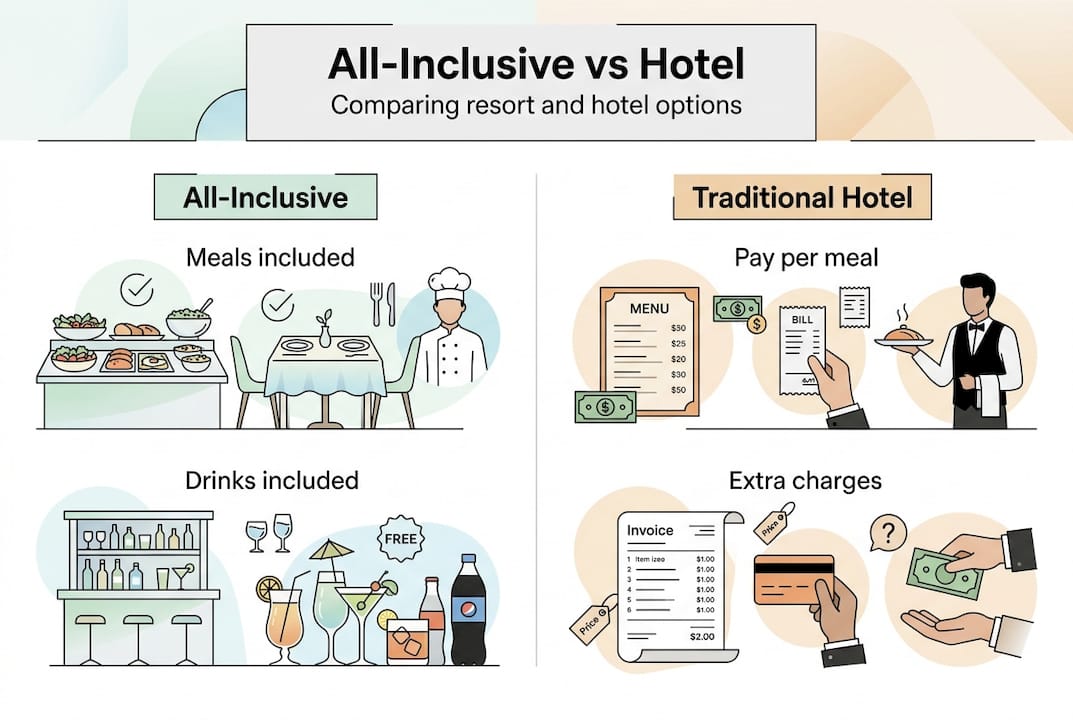
Traditional hotels charge room rates only, leaving you free to dine anywhere and purchase services à la carte. This flexibility appeals to travellers who enjoy exploring local restaurants, markets, and neighbourhoods. You control spending by choosing budget or upscale options for each meal. However, costs become unpredictable and can exceed all-inclusive rates if you dine out frequently or use hotel services.
Self-catering accommodation provides maximum flexibility through in-room kitchens or kitchenettes. You shop at local markets and prepare meals according to your schedule and dietary needs. This option suits extended stays, families with specific food requirements, and budget-conscious travellers. The trade-off involves shopping time, cooking effort, and missing the convenience of prepared meals and housekeeping services.
Extended stay accommodation differs primarily in duration and amenities rather than pricing structure. These properties cater to guests staying weeks or months, offering full kitchens, laundry facilities, and residential-style layouts. Some include breakfast or light meals, but most operate on a self-catering model. They bridge the gap between hotels and apartments, providing hotel services with apartment functionality.
Feature | All-inclusive | Traditional hotel | Self-catering | Extended stay |
Meals included | All meals and snacks | None, pay separately | Cook yourself | Varies, often breakfast |
Cost structure | Single upfront price | Room rate plus expenses | Room rate plus groceries | Weekly/monthly rate |
Drinks included | Unlimited beverages | Pay per drink | Purchase and stock | Purchase yourself |
Activities | Many included | Pay separately | Arrange independently | Arrange independently |
Flexibility | Limited, resort-bound | High, explore freely | Maximum control | High, local immersion |
Planning required | Minimal | Moderate | Significant | Moderate |
Best for | Relaxation, families | Explorers, foodies | Budget travellers, long stays | Business, relocations |
Local immersion | Low | High | Very high | Very high |
The all-inclusive model works best when convenience and predictability outweigh exploration and flexibility. Families with young children benefit from controlled environments and unlimited food access. Couples seeking romantic relaxation appreciate not planning every meal or activity. Groups celebrating special occasions enjoy the party atmosphere and inclusive entertainment.
Traditional hotels suit independent travellers who value freedom and cultural immersion. You experience authentic local cuisine, support community businesses, and create spontaneous itineraries. Foodies and culture enthusiasts find greater satisfaction exploring neighbourhoods than remaining resort-bound.
Self-catering appeals to budget-conscious travellers, families with dietary restrictions, and those staying longer than a week. The ability to prepare familiar foods and control meal timing provides comfort, especially with children. Shopping at local markets offers cultural experiences while reducing costs significantly.
Consider all-inclusive when you:
Want predictable costs without daily budgeting
Prefer convenience over exploration
Travel with children needing constant food access
Seek pure relaxation without planning
Consume substantial food and drinks
Choose traditional hotels when you:
Value flexibility and spontaneity
Want authentic local dining experiences
Enjoy researching and exploring neighbourhoods
Prefer controlling your own schedule
Travel to destinations with exceptional local cuisine
Select self-catering if you:
Stay longer than one week
Have specific dietary requirements
Want maximum budget control
Enjoy shopping at local markets
Travel with family needing familiar foods
Your accommodation choice should align with your travel goals, budget constraints, and personal preferences rather than following trends or recommendations from travellers with different priorities.
Plan your hassle-free stay with Stag & Barrel Guest House
Whilst all-inclusive resorts offer convenience abroad, finding quality accommodation that balances comfort, value, and local character at home requires a different approach. Stag & Barrel accommodation options provide exactly that blend for travellers visiting Elgin and the surrounding Speyside region. Our guest house delivers the hassle-free booking and reliable service you value without the resort bubble that limits authentic experiences.
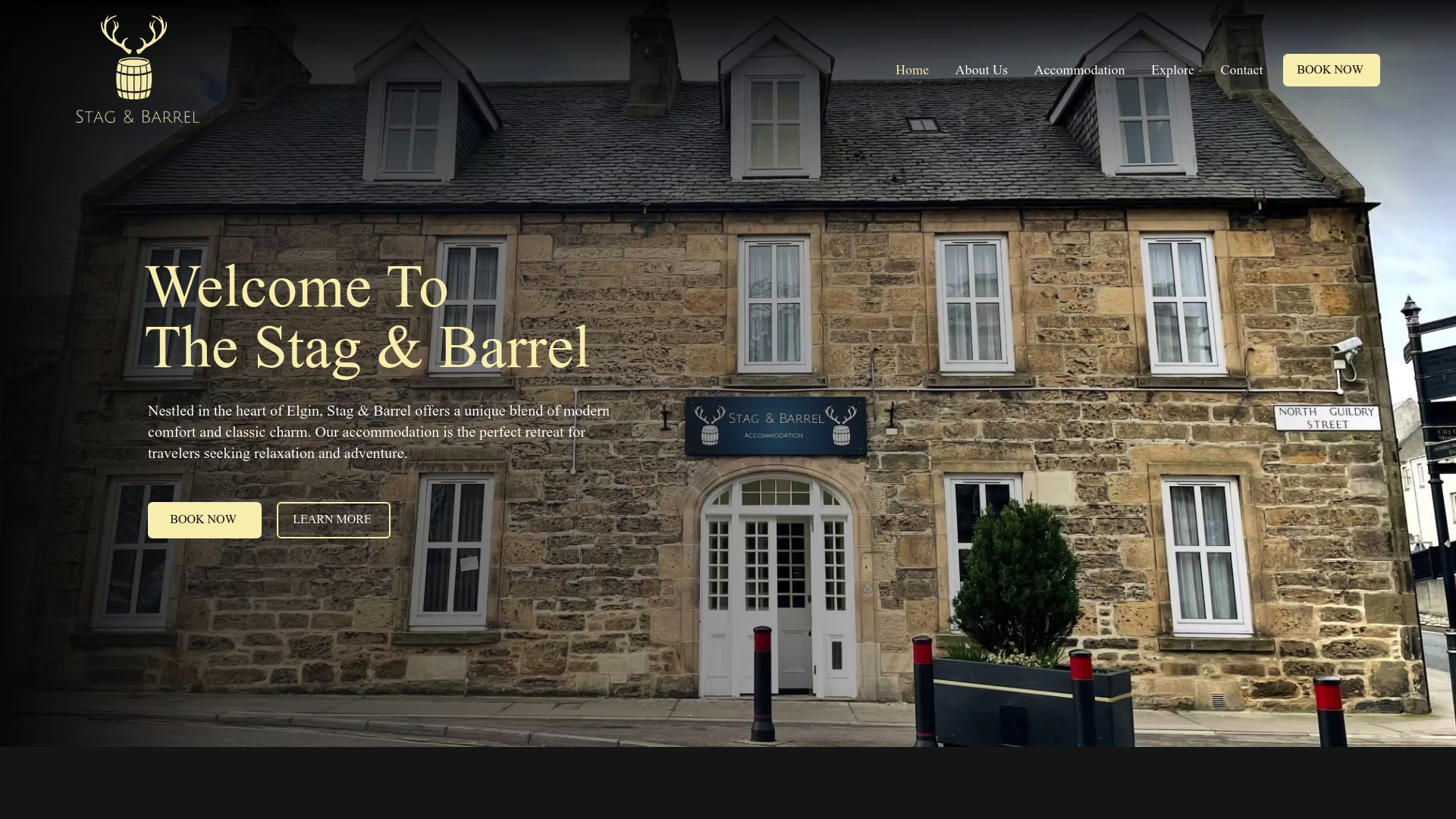
Each room combines modern amenities with unique whisky-themed charm that reflects our location in Scotland’s premier whisky region. You’ll enjoy comfortable lodging with the flexibility to explore local distilleries, restaurants, and attractions at your own pace. Our team provides personalised recommendations and assistance that large resorts simply cannot match, helping you discover the best of Moray whilst enjoying a welcoming home base.
Pro Tip: Book directly through our website to secure the best available rates and room selection. Early reservations guarantee your preferred room category and allow us to arrange special touches for celebrations or specific requirements.
Is all-inclusive accommodation right for me?
What exactly is included in all-inclusive accommodation?
Most packages include lodging, three daily meals through buffet and à la carte restaurants, house alcoholic and non-alcoholic beverages, basic on-site activities, entertainment, and taxes. Premium spirits, spa services, motorised water sports, and off-resort excursions typically cost extra.
Are there hidden costs at all-inclusive resorts?
Yes, common additional charges include premium liquor brands, speciality dining surcharges, spa treatments, golf fees, motorised water sports, and off-resort tours. Some properties charge for WiFi, safes, or room service, so verify your specific package details before booking.
Can you experience local culture at all-inclusive resorts?
Cultural immersion is limited since you remain primarily on resort property eating international cuisine and interacting mainly with staff. Consider booking at least one or two local restaurant meals or cultural excursions to experience authentic regional flavour and support community businesses.
How do I find the best all-inclusive deals?
Compare packages across multiple booking platforms, read recent guest reviews carefully, and book during shoulder season for better rates. Look for added value like free room upgrades, resort credits, or included excursions rather than just the lowest price.
Is all-inclusive suitable for families or solo travellers?
Families benefit enormously from kids’ clubs, unlimited food access, and safe controlled environments. Solo travellers might find all-inclusive resorts less appealing due to couple-focused atmospheres and limited opportunities for independent exploration and meeting locals.
Should I choose all-inclusive or self-catering accommodation?
Choose all-inclusive for short holidays prioritising relaxation and predictable costs. Select self-catering for longer stays, budget control, dietary needs, or when you want flexibility to explore local markets and prepare your own meals.
Recommended


Comments