What is extended stay accommodation? Benefits for 2026
- Meet Patel
- Mar 11
- 8 min read

Updated: Apr 22

Many travellers confuse extended stay accommodation with ordinary hotels or short-term rentals, unsure what sets them apart. Extended stays offer unique benefits for business visitors and families needing longer lodging with home-like amenities. This article clarifies what extended stay accommodation entails, exploring types, facilities, pricing, and why they suit longer visits in 2026.
Table of Contents
Key takeaways
Point | Details |
Definition | Extended stay hotels provide sleeping, bathing, and kitchen facilities for stays beyond 30 days. |
Space and privacy | Serviced apartments offer separate living areas and kitchens, ideal for families and remote workers needing privacy. |
Cost advantages | Self-catering and laundry facilities reduce total stay costs compared to traditional hotels. |
Market growth | The US extended stay market was valued at USD 10.5 billion in 2024 and is growing at 4.4% annually. |
Typical guests | Business travellers, relocating families, and corporate project teams benefit most from extended stay lodging. |
What is extended stay accommodation?
Extended stay accommodation refers to lodging designed for guests requiring longer visits, typically exceeding 30 days. Unlike transient hotel rooms, these properties provide essential home-like amenities including full kitchens, separate living spaces, and laundry facilities. The focus shifts from quick overnight stays to creating a comfortable, functional environment for weeks or months.
Extended stay hotels are commercial lodging establishments providing sleeping, bathing, and food preparation facilities for stays beyond typical transient periods, often over 30 days.
This category includes serviced apartments, extended stay hotels, and certain guest houses tailored for longer visits. The defining feature is self-sufficiency. Guests can prepare meals, manage laundry, and maintain routines similar to home life. This structure appeals to corporate travellers on extended projects, families relocating, and anyone needing temporary housing beyond a few nights.
The duration threshold matters for both guests and providers. Stays over 30 days allow operators to streamline housekeeping and reduce service costs. Guests gain stability and lower nightly rates. Serviced apartment flexible stays illustrate how modern properties blend hotel convenience with residential comfort.
Understanding this definition helps travellers identify suitable accommodation. If your trip involves weeks of work, family relocation, or temporary housing needs, extended stay properties offer practical advantages over traditional hotels. The key is matching your duration and lifestyle needs with the right type of lodging.
Differences between serviced apartments and hotels for extended stays
Serviced apartments and extended stay hotels both cater to longer visits, yet they differ significantly in layout, services, and guest experience. Recognising these distinctions helps you choose accommodation that fits your needs.
Space and layout
Serviced apartments offer more space, including separate living areas and kitchens, ideal for families, remote workers, and longer stays. You get distinct bedrooms, living rooms, and fully equipped kitchens. Hotels, even extended stay variants, typically provide studio or suite layouts with smaller kitchenettes. The extra space in serviced apartments supports work-from-home setups and family routines.

Service model
Serviced apartments emphasise self-service and privacy. Housekeeping occurs weekly or bi-weekly rather than daily. Guests manage their schedules without constant staff interaction. Hotels maintain daily housekeeping, front desk support, and on-site dining. This higher service level suits short stays but increases costs for extended visits.
Cost structures
Feature | Serviced apartments | Extended stay hotels |
Nightly rate | Lower for long stays | Moderate |
Kitchen facilities | Full kitchen | Kitchenette |
Housekeeping | Weekly | Daily or optional |
Privacy level | High | Moderate |
Space | Larger | Compact |
Serviced apartments reduce total stay costs through self-catering. Cooking meals and managing laundry eliminates daily restaurant bills and hotel service charges. Hotels charge premium rates for convenience, making them less economical over weeks or months.
Guest routines
Extended stay guests develop routines. Serviced apartments accommodate these patterns with grocery storage, laundry machines, and workspace. Serviced apartments versus hotels in Elgin demonstrate how local properties adapt to business and family needs.
Hotels focus on transient guests expecting quick turnover and high-touch service. Extended stay hotels bridge the gap, offering kitchenettes and reduced housekeeping, but lack the residential feel of serviced apartments.
Pro tip: If your stay exceeds three weeks and you value cooking and privacy, prioritise serviced apartments. For shorter visits needing daily amenities and dining options, extended stay hotels provide better convenience.
Choosing between these options depends on your duration, budget, and lifestyle preferences. Both serve extended stays, but serviced apartments excel for maximum space and cost savings.
Who benefits most from extended stay accommodation?
Extended stay lodging attracts diverse guests with specific needs beyond typical hotel visits. Understanding who benefits clarifies whether this accommodation type suits your situation.
Business travellers and corporate projects
Corporate guests on extended assignments form the largest user group. Extended stay hotels cater to business travellers, families, and individuals relocating, enhancing market appeal. These properties provide workspaces, high-speed internet, and kitchen facilities, allowing professionals to maintain productivity. Business friendly accommodation supports corporate guests needing functional, comfortable spaces.
Contractors, consultants, and project teams working weeks or months away from home gain stability. Cooking meals and managing laundry reduces costs and stress. The residential environment supports work-life balance during demanding assignments.
Relocating families and individuals
Families moving cities or countries need temporary housing whilst searching for permanent homes. Extended stay properties offer space for children, kitchens for familiar meals, and laundry facilities. This setup eases transition stress and provides normalcy during upheaval.
Individuals between homes or awaiting property renovations also benefit. The flexibility and home-like amenities make extended stays practical interim solutions.
Key benefits across guest types
Cost savings: Self-catering and reduced service charges lower total stay expenses compared to hotels.
Space and privacy: Separate living areas and bedrooms accommodate families and remote work.
Routine maintenance: Kitchens and laundry facilities support normal daily routines.
Flexibility: Weekly housekeeping and self-managed schedules offer autonomy.
The role guest houses play in business travel highlights how properties adapt to corporate and family needs. Extended stays suit anyone requiring more than a hotel room but less commitment than renting long-term.
Pro tip: Before booking, calculate total costs including groceries versus dining out. Extended stays often prove more economical after two weeks when self-catering advantages accumulate.
Whether you’re a business traveller, relocating family, or temporary resident, extended stay accommodation provides practical solutions for longer visits. Matching your needs with the right property type ensures comfort and value.
Pricing, cost benefits and market trends of extended stay accommodation in 2026
The extended stay sector is experiencing robust growth in 2026, driven by evolving travel patterns and strong business demand. Understanding pricing structures and market dynamics helps you make informed accommodation decisions.
Market growth and demand
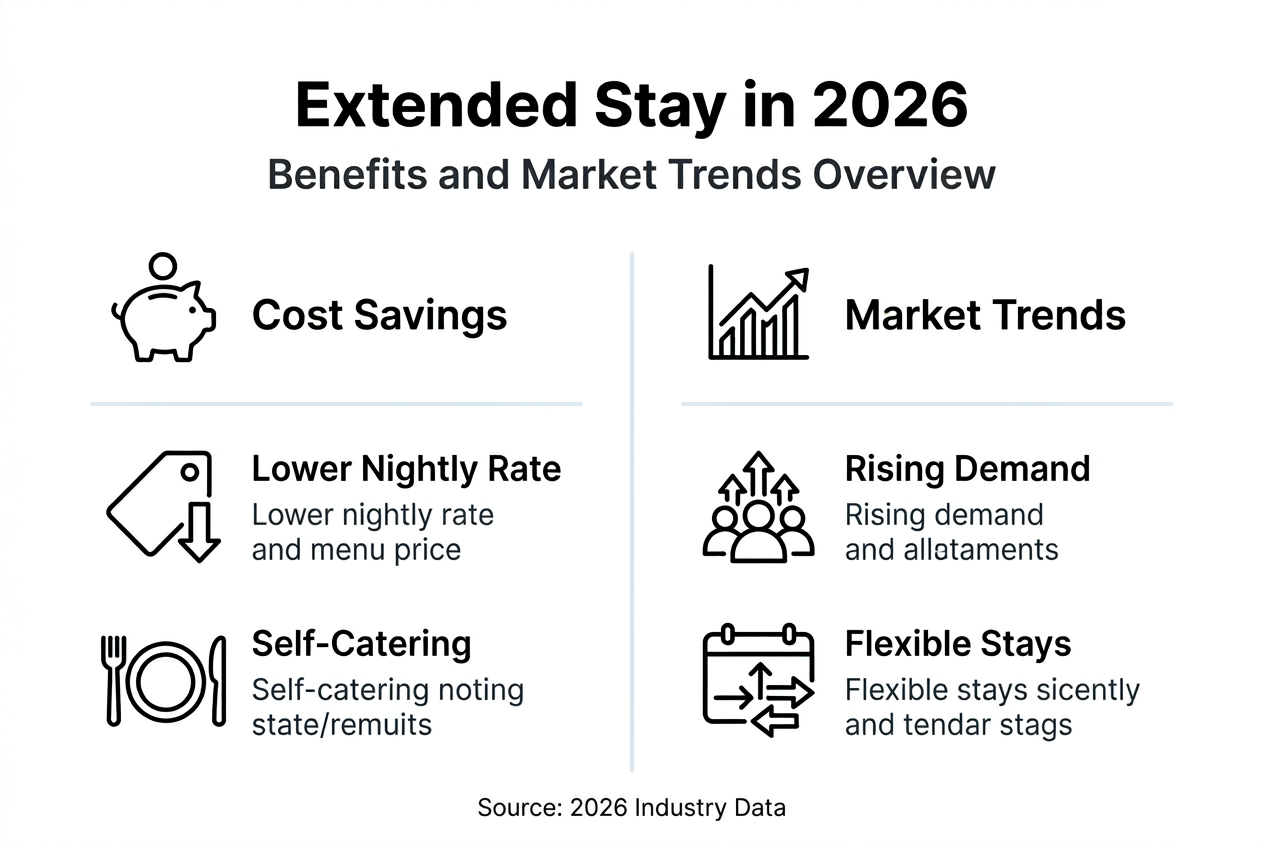
The US extended stay hotel market was valued at USD 10.5 billion in 2024 and is projected to reach USD 16.2 billion by 2034 with a CAGR of 4.4%. This expansion reflects increasing preference for flexible, cost-effective lodging. Nearly 30% of hotel guests in the US are staying for extended periods, signalling sustained demand.
Business travel fuels much of this growth. Business travel spending in the US is projected to reach USD 1.4 trillion by 2024, with extended stays capturing significant market share. Corporate guests prioritise properties offering workspace, connectivity, and cost efficiency.
Pricing structures and cost advantages
Extended stay properties typically offer tiered pricing based on duration. Nightly rates decrease as stay length increases, rewarding longer bookings. Weekly and monthly rates provide substantial savings compared to nightly hotel rates.
Stay duration | Typical nightly rate | Total cost advantage |
1-7 nights | Standard rate | Baseline |
8-30 nights | 10-20% reduction | Moderate savings |
31+ nights | 20-30% reduction | Significant savings |
Beyond rate reductions, self-catering generates major cost benefits. Cooking meals eliminates daily restaurant expenses, which can exceed £30-50 per person. Over a month, grocery shopping versus dining out saves hundreds of pounds. Laundry facilities further reduce costs compared to hotel laundry services.
Extended stay accommodation delivers value through lower nightly rates, self-catering savings, and reduced service charges, making longer visits economically viable.
Trends shaping the sector in 2026
Hybrid work arrangements: Remote work policies drive demand for extended stays with office-quality connectivity and workspaces.
Family travel growth: Families seeking longer holidays prefer spacious serviced apartments over cramped hotel rooms.
Corporate housing partnerships: Companies negotiate bulk rates with extended stay providers for employee relocations and projects.
Sustainability focus: Properties emphasise energy efficiency and waste reduction, appealing to environmentally conscious guests.
Guest house trends for 2026 reflect these shifts, with properties enhancing amenities and flexibility. Business travel demand continues driving occupancy, particularly in regional business hubs.
Pro tip: When comparing extended stay options, calculate total cost including groceries, laundry, and transport. Properties near supermarkets and public transport maximise convenience and savings.
The extended stay market in 2026 offers compelling value for travellers and business visitors. Understanding pricing models and market trends ensures you select accommodation that balances cost, comfort, and functionality.
Explore extended stay options at Stag & Barrel guest house
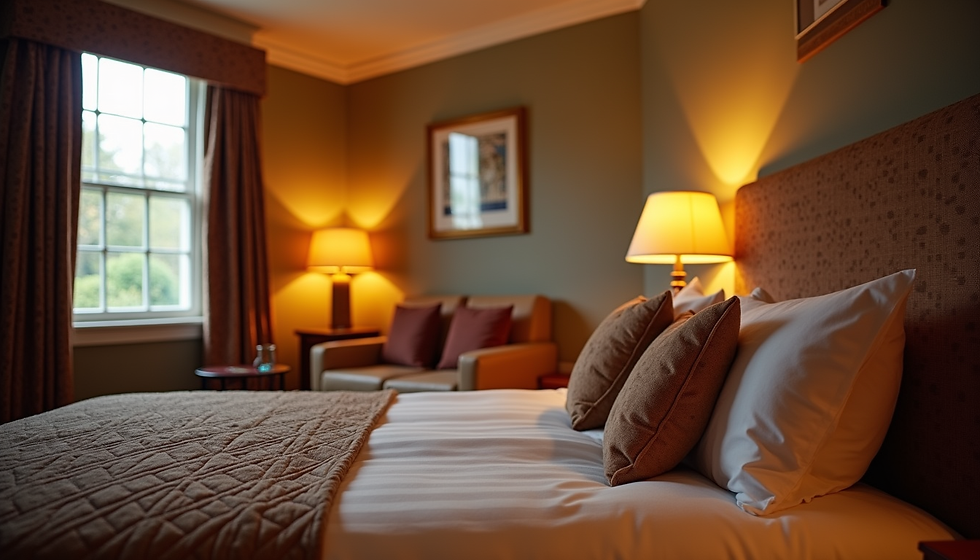
If you’re seeking comfortable extended stay accommodation in Elgin, Stag & Barrel guest house provides ideal solutions for business travellers and families. Our spacious guest rooms feature amenities designed for longer visits, including kitchen facilities and private spaces that support your routines.
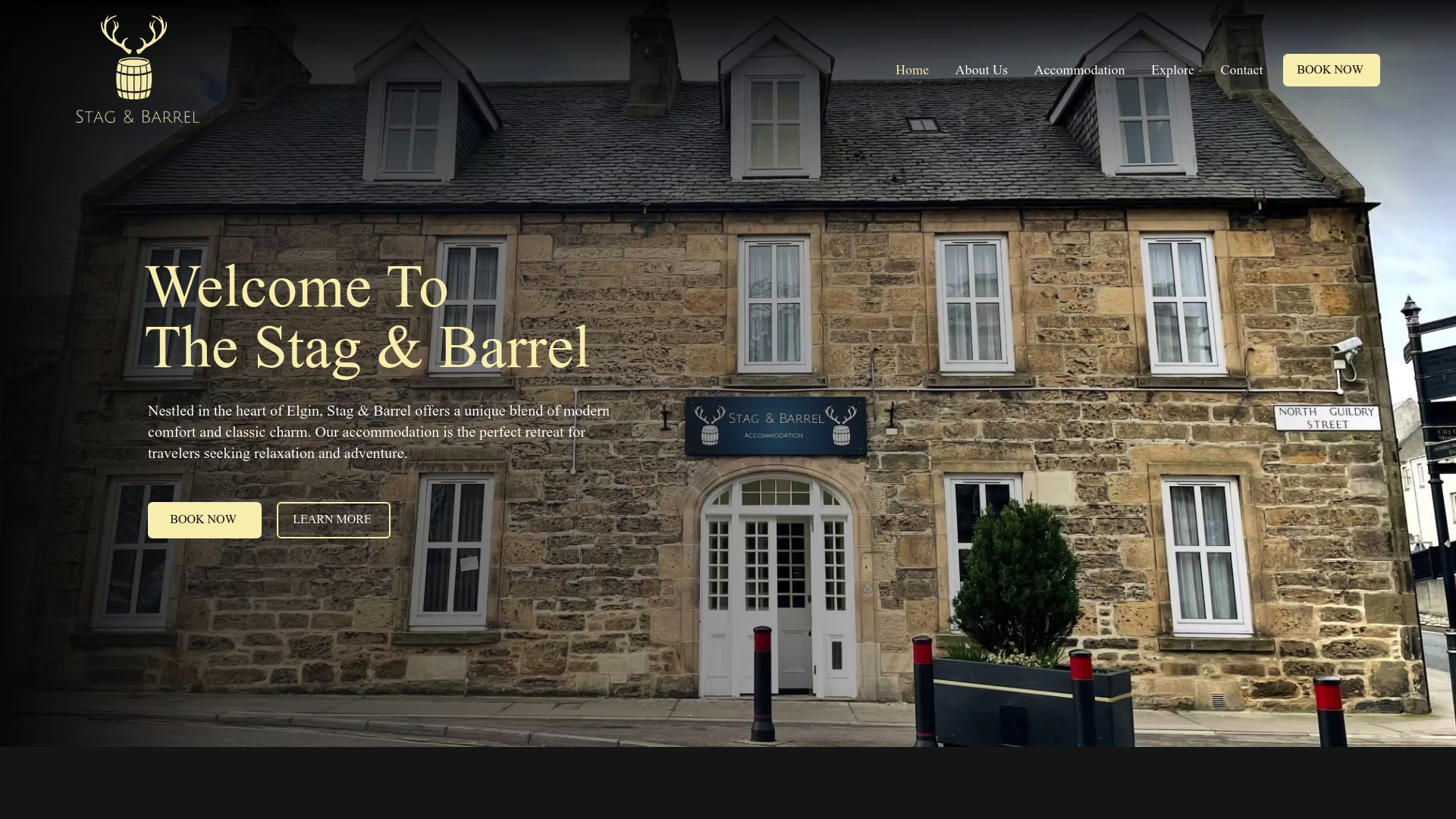
Located in Elgin, we offer convenient access for corporate guests and leisure travellers exploring Moray. Our accommodation combines the comfort of home with guest house hospitality, making extended stays practical and enjoyable. Whether you’re on a corporate project, relocating, or enjoying an extended holiday, Stag & Barrel delivers the space, privacy, and value you need. Contact us to discuss your extended stay requirements and discover how we can support your visit.
Frequently asked questions
What qualifies as an extended stay?
An extended stay typically refers to accommodation bookings exceeding 30 days, though some properties define it as stays over two weeks. The key distinction is lodging designed for longer durations with home-like amenities rather than transient hotel features.
How do extended stay properties differ from regular hotels?
Extended stay properties provide full kitchens, separate living areas, and weekly housekeeping, supporting self-sufficient routines. Regular hotels offer daily housekeeping, on-site dining, and compact rooms suited for short visits. Serviced apartment flexible stays illustrate these differences.
Are extended stays more cost-effective than hotels?
Yes, extended stays typically cost less over time due to lower nightly rates, self-catering savings, and reduced service charges. Cooking meals and managing laundry eliminates daily restaurant and hotel service expenses, making extended stays economical for visits over two weeks.
Who typically uses extended stay accommodation?
Business travellers on corporate projects, relocating families, and individuals needing temporary housing form the primary guest base. These guests value space, privacy, and cost savings during longer visits. The accommodation supports work routines and family life better than traditional hotels.
What amenities should I expect in extended stay accommodation?
Expect full kitchens with appliances, separate living and sleeping areas, laundry facilities, and workspace. Properties typically offer high-speed internet, parking, and weekly housekeeping. Amenities vary, so confirm specific features when booking to ensure they match your needs.
Recommended


Comments