What is self-catering accommodation? Your 2026 guide
- Meet Patel
- Mar 15
- 10 min read

Updated: 6 days ago
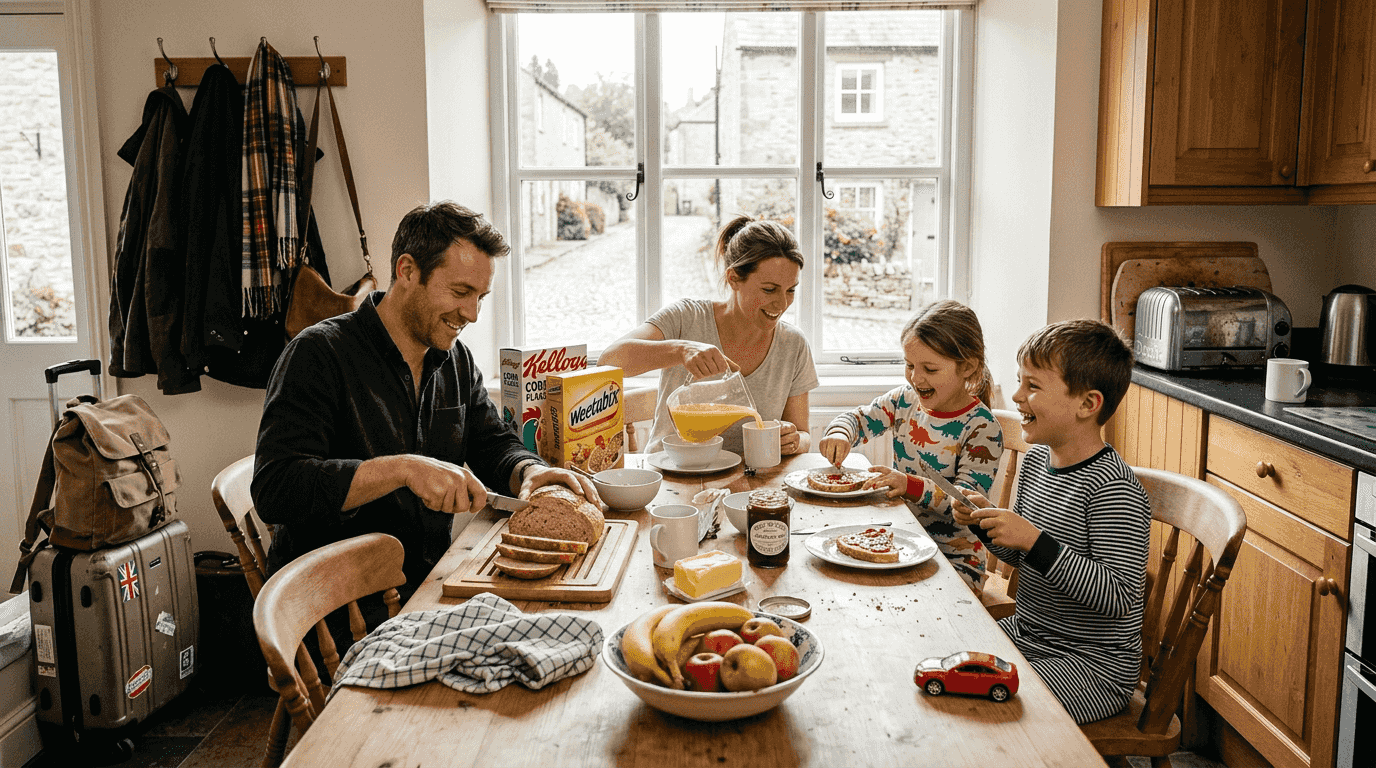
Choosing the right accommodation can transform your holiday from ordinary to extraordinary, yet many travellers remain uncertain about what self-catering truly offers. Unlike traditional hotels, self-catering properties provide private kitchen facilities and living spaces that give you complete control over your schedule and dining preferences. This guide clarifies exactly what self-catering accommodation entails, compares it with hotels and serviced apartments, reveals current booking trends showing 40% of stays are short breaks, and equips you with practical tips to secure the perfect flexible stay for your next leisure trip.
Table of Contents
Key takeaways
Point | Details |
Meal flexibility | Self-catering lets you prepare your own meals, reducing dining costs and accommodating dietary needs. |
Short break popularity | 40% of bookings are 3-5 night stays, with an 8% year-on-year increase showing growing demand. |
Last-minute bookings | 34% of reservations happen within four weeks of arrival, offering spontaneous travel opportunities. |
Peak occupancy | Summer occupancy rates reach 80-82%, reflecting strong seasonal demand for self-catering properties. |
Privacy and space | These properties offer more living space and independence compared to traditional hotel rooms. |
What is self-catering accommodation?
Self-catering accommodation refers to holiday properties where you manage your own meals, schedules, and daily routines without relying on hotel services or fixed dining times. These stays typically include fully equipped kitchens or kitchenettes, allowing you to shop locally and cook whenever hunger strikes. You gain the freedom to create your own holiday rhythm, whether that means leisurely breakfasts at 11am or midnight snacks after evening adventures.
The amenities distinguish self-catering from other options. Most properties feature:
Full kitchen facilities with cookers, refrigerators, and cooking utensils
Private living spaces separate from sleeping areas
Laundry equipment for longer stays
Multiple bedrooms suitable for families or groups
Outdoor spaces like gardens or patios
Self-catering provides private kitchen facilities that fundamentally change how you experience a destination. Rather than rushing to catch hotel breakfast times or paying premium prices for every meal out, you control your budget and dietary choices completely. This independence proves particularly valuable for families with young children who need flexible mealtimes, travellers with specific dietary requirements, or groups wanting to socialise over home-cooked meals.
The concept differs markedly from hotels where meals, cleaning, and services follow set schedules. Self-catering properties function as temporary homes rather than serviced accommodations. You receive keys, settle in, and live as locals do, shopping at neighbourhood markets and preparing regional specialities in your own kitchen. This authenticity creates connections with destinations that structured hotel stays rarely achieve.
Popularity continues growing among families seeking space, groups wanting communal areas, and longer-stay travellers valuing cost efficiency. The privacy factor appeals strongly to those who prefer not sharing breakfast rooms with strangers or adhering to checkout times that disrupt natural holiday rhythms. Understanding guest house trends 2026 reveals how accommodation preferences shift towards flexibility and personalised experiences.
Self-catering accommodation versus other types of holiday stays
Comparing accommodation types clarifies where self-catering delivers distinct advantages and where alternatives might suit specific needs better. Hotels offer convenience through daily housekeeping, reception services, and on-site dining, but sacrifice privacy and kitchen access. You pay for services whether you use them or not, and mealtimes follow restaurant schedules rather than your preferences.
Serviced apartments bridge gaps between hotels and self-catering properties, providing kitchen facilities alongside hotel-style services like regular cleaning and concierge support. They cost more than pure self-catering but less than full-service hotels, appealing to business travellers and those wanting occasional housekeeping without daily intrusion. The service level and contemporary styling often differ from traditional self-catering cottages or apartments.
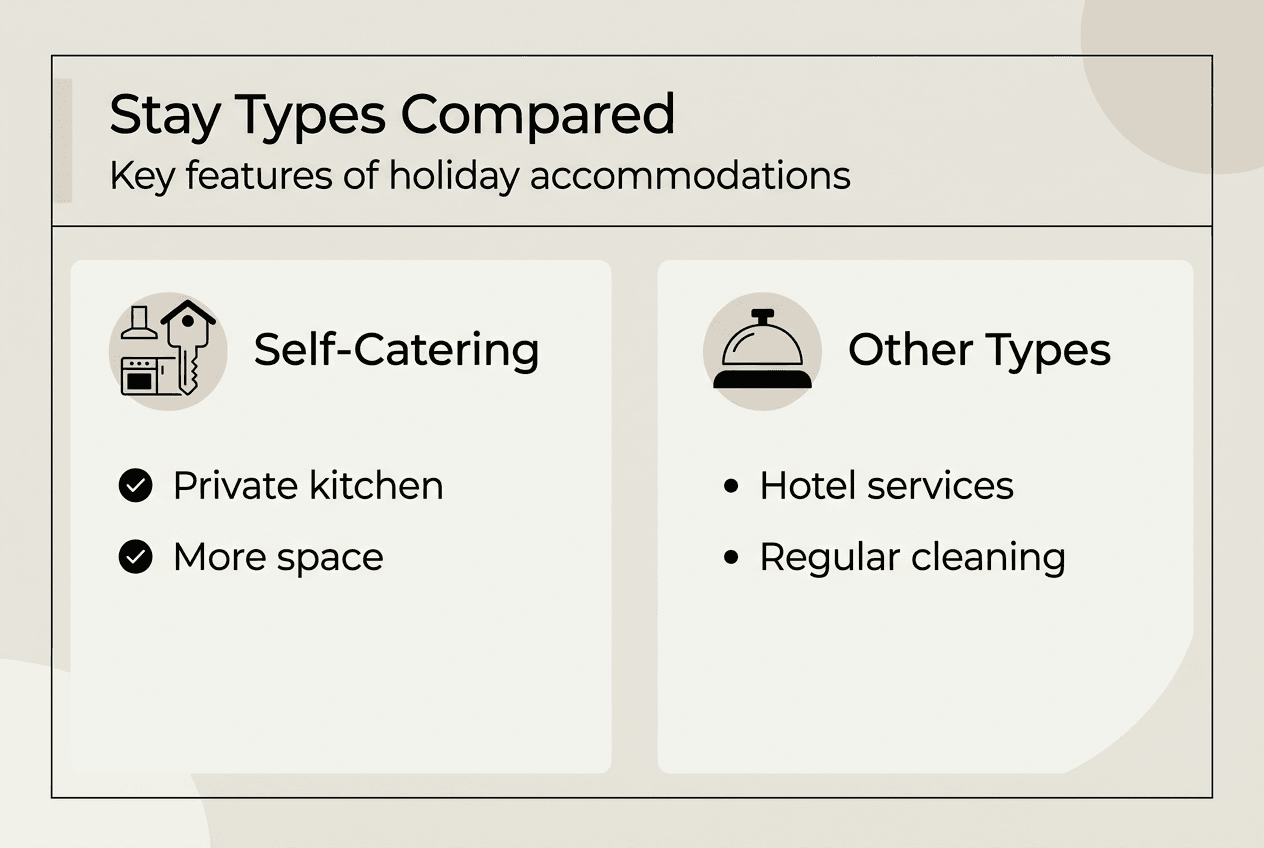
Guest houses present another alternative, sometimes offering self-catering options alongside traditional bed and breakfast arrangements. Understanding why guest houses over hotels reveals how these properties combine personal touches with flexible catering choices. Some guest houses provide optional breakfast services, letting you choose self-catering for some meals whilst enjoying prepared options occasionally.
Accommodation Type | Kitchen Facilities | Privacy Level | Service Frequency | Ideal For |
Self-catering | Full kitchen | High | None/minimal | Families, groups, budget-conscious |
Hotels | None | Moderate | Daily | Convenience seekers, short stays |
Serviced apartments | Full kitchen | High | Weekly | Business travellers, medium stays |
Guest houses | Varies | Moderate-High | Optional | Personalised experience seekers |
Self-catering particularly suits families who need space for children to play, kitchens for preparing familiar meals, and laundry facilities for longer trips. Groups benefit from communal living areas where everyone gathers rather than cramming into single hotel rooms. Budget-conscious travellers appreciate controlling food costs, especially in expensive tourist destinations where restaurant meals quickly drain holiday funds.
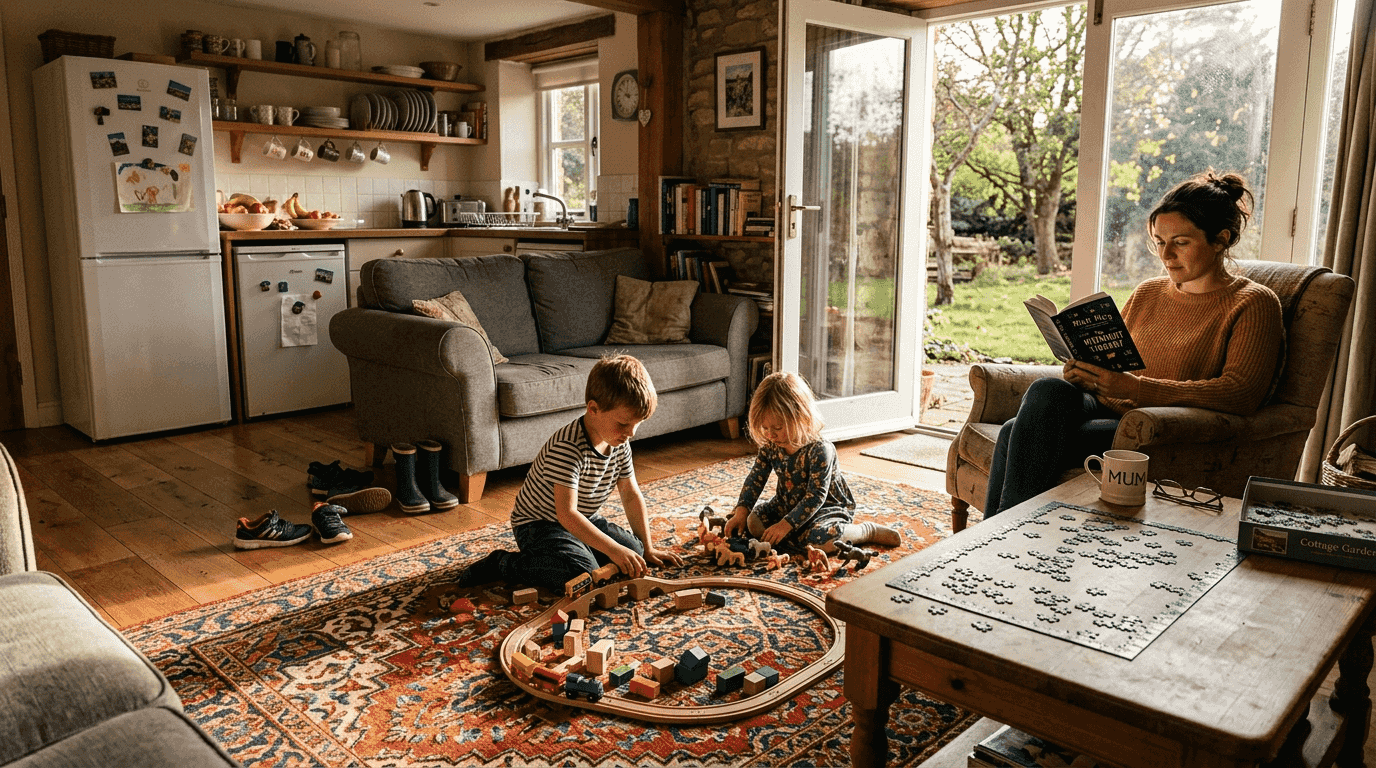
The homely atmosphere creates comfort that sterile hotel rooms rarely match. You spread out belongings, establish routines, and genuinely relax rather than feeling like temporary guests. This psychological benefit enhances holiday enjoyment significantly, particularly for travellers who find hotel environments stressful or restrictive.
Pro Tip: Choosing self-catering reduces dining expenses by 40-60% compared to eating all meals in restaurants, freeing budget for activities and experiences that create lasting holiday memories.
Current market trends and booking patterns in self-catering accommodation
Recent data reveals fascinating shifts in how travellers book and use self-catering properties. Short breaks comprise 40% of bookings with an 8% year-on-year increase, showing growing preference for frequent shorter getaways over traditional week-long holidays. This trend reflects changing work patterns, increased flexibility in remote working, and desire for regular breaks rather than single annual trips.
Last-minute booking behaviour has surged dramatically. The 34% booking within four weeks pattern demonstrates how spontaneous travel decisions have become mainstream rather than exceptional. Improved digital platforms, real-time availability, and flexible cancellation policies enable travellers to book confidently with minimal advance planning. This spontaneity particularly appeals to couples without school-age children and retirees with unrestricted schedules.
Occupancy rates paint a picture of robust demand. Summer months consistently achieve 80-82% occupancy across popular regions, with Devon properties reaching 80% peak occupancy during July and August. These figures indicate strong market health and suggest booking early for peak periods remains advisable despite the last-minute trend.
Booking Pattern | Percentage | Year-on-Year Change |
Short breaks (3-5 nights) | 40% | +8% |
Last-minute (within 4 weeks) | 34% | Increasing |
Peak summer occupancy | 80-82% | Stable |
Dynamic pricing strategies help property owners optimise revenue whilst offering travellers better deals during quieter periods. Prices fluctuate based on demand, seasonality, and booking windows, meaning flexible travellers can secure significant savings by avoiding peak dates or booking during promotional periods. Understanding these patterns empowers smarter booking decisions.
The data suggests several practical implications for holiday planners. Flexibility around travel dates unlocks better availability and pricing. Short breaks have become normalised, making weekend getaways or long weekends viable without guilt about taking extended time off. The last-minute booking trend means spontaneous trips are increasingly feasible, though popular properties during school holidays still require advance planning.
“Market insights show self-catering accommodation adapting to modern traveller preferences through flexible booking windows, dynamic pricing, and accommodation suited to both planned holidays and spontaneous breaks.”
Staying informed about market trends through resources like the Stag & Barrel blog helps you time bookings strategically and understand what represents good value. The self-catering sector continues evolving to meet changing demands, with properties investing in amenities that support remote working, outdoor spaces, and enhanced connectivity.
Pro Tip: Booking closer to travel dates increasingly yields competitive rates as properties use dynamic pricing to fill last-minute availability, particularly for midweek stays outside peak season.
How to choose and book self-catering accommodation for your next holiday
Securing ideal self-catering accommodation requires systematic approach rather than impulsive decisions. Follow this process to maximise satisfaction and value:
Define your essential requirements clearly. List must-have features like number of bedrooms, kitchen equipment, parking, pet-friendliness, or accessibility needs. Distinguish between essential and nice-to-have amenities to avoid limiting options unnecessarily.
Research locations matching your holiday goals. Coastal properties suit beach holidays, rural cottages offer tranquillity, and town centre apartments provide cultural immersion. Consider proximity to attractions, transport links, and local amenities like supermarkets.
Examine property details and guest reviews thoroughly. Photos reveal layout and condition, whilst reviews expose issues owners might downplay. Look for recent reviews mentioning cleanliness, accuracy of descriptions, and responsiveness to problems.
Assess booking timelines based on your flexibility. Peak season properties (school holidays, bank holidays) require 8-12 weeks advance booking for best selection. Off-peak and last-minute bookings offer better rates but reduced choice.
Compare booking platforms and direct options. Direct bookings sometimes offer better rates or flexibility, whilst platforms provide payment protection and review verification. Check cancellation policies carefully, especially for advance bookings.
Verify included amenities match your assumptions. Confirm basics like linen, towels, WiFi, and heating are included rather than charged separately. Clarify check-in procedures, key collection, and emergency contacts.
Leveraging recent booking trends enhances your strategy. The 34% last-minute booking pattern means excellent properties often have unexpected availability weeks before your desired dates. Setting alerts for price drops or new availability can secure premium properties at reduced rates. Flexibility around exact dates, even by just a day or two, dramatically expands options.
Effective planning and understanding booking windows greatly enhance holiday experiences by reducing stress and ensuring properties meet expectations. Reading detailed booking tips for Elgin accommodation provides region-specific insights applicable to any destination.
Consider seasonal factors beyond just weather. Shoulder seasons (May-June, September-October) offer pleasant conditions with lower prices and better availability. Local events, festivals, or school holidays dramatically affect pricing and occupancy, so research destination calendars before committing to dates.
Communicating clearly with property owners or managers before booking prevents misunderstandings. Ask specific questions about anything unclear in listings. Reputable providers respond promptly and thoroughly, whilst evasive or delayed responses signal potential problems.
Pro Tip: Prioritise accommodation offering dynamic pricing and free cancellation policies, providing flexibility to adjust plans whilst securing current rates that might increase closer to travel dates.
Discover flexible self-catering stays at Stag & Barrel guest house
Experiencing the benefits of self-catering accommodation becomes effortless when you choose properties designed around guest comfort and flexibility. Stag & Barrel guest house in Moray combines the independence of self-catering with the welcoming atmosphere of traditional Scottish hospitality, creating the perfect base for exploring the region’s distilleries, castles, and coastal beauty.
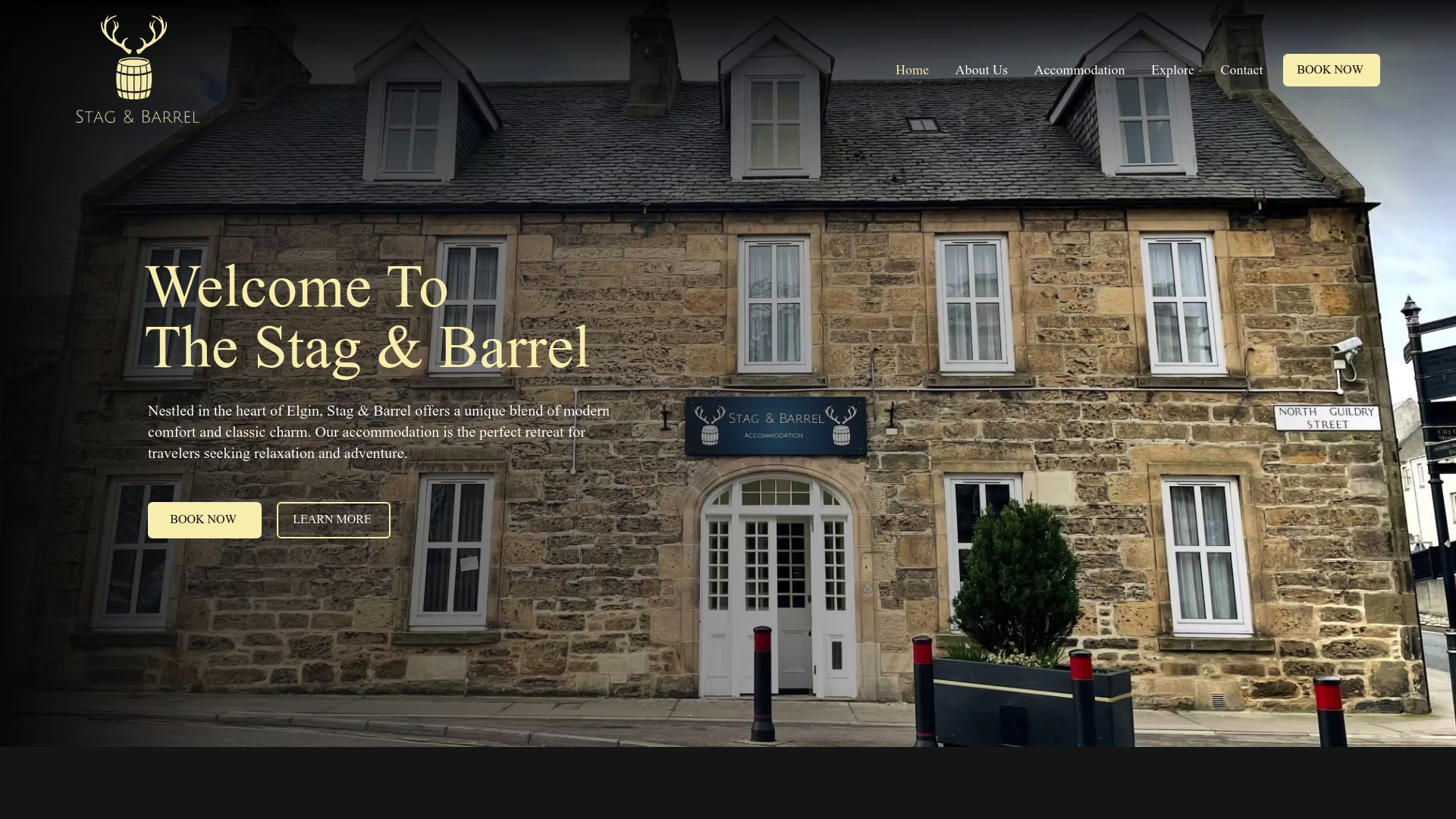
Our accommodation options provide the kitchen facilities, private spaces, and local charm that make self-catering stays memorable. Whether you’re planning a short break to sample Speyside whiskies or an extended exploration of the Moray coast, our flexible approach lets you holiday at your own pace without sacrificing comfort or convenience.
Discover why travellers increasingly choose self-catering for its blend of freedom, value, and authentic local experiences. Book your stay at Stag & Barrel and enjoy the flexibility to create your ideal Scottish holiday, from leisurely breakfasts overlooking our gardens to evening gatherings after days exploring this remarkable region.
Frequently asked questions
What types of self-catering accommodation are available?
Self-catering properties span diverse styles including cottages, apartments, villas, studios, and chalets, each offering distinct atmospheres and amenities. Cottages typically feature traditional architecture with gardens, ideal for rural retreats and family holidays. Apartments suit urban explorers wanting city centre locations with modern conveniences, whilst villas provide luxury options often with pools or extensive grounds. Studios offer compact efficiency for couples or solo travellers prioritising location over space.
Typical facilities across all types include fully equipped kitchens with cookers, refrigerators, and utensils, plus living areas separate from bedrooms. Most provide linen, towels, and basic supplies, though confirming what’s included prevents arrival surprises. Laundry facilities, outdoor spaces, and parking vary by property type and location, so checking specific amenities against your needs ensures compatibility.
Is self-catering accommodation more cost-effective than hotels?
Self-catering generally delivers significant savings, particularly for families and longer stays where cooking meals yourself reduces expenses by 40-60% compared to restaurant dining. The ability to prepare breakfast, pack picnic lunches, and cook evening meals dramatically lowers daily costs whilst accommodating dietary preferences and children’s fussy eating habits. Larger groups benefit especially, as self-catering properties cost less per person than multiple hotel rooms.
Trade-offs include managing your own cleaning, lacking daily housekeeping, and missing hotel conveniences like reception services or on-site restaurants. You invest time shopping and cooking rather than being served, though many travellers view this as enhancing rather than diminishing their holiday experience. The cost-effectiveness increases proportionally with stay duration, making self-catering particularly economical for week-long or longer holidays.
How far in advance should I book self-catering accommodation?
Booking 4-8 weeks ahead typically secures good availability and competitive pricing for most destinations and seasons. This window balances securing preferred properties against paying premium early-booking rates, whilst allowing time to research options thoroughly and compare alternatives. Peak periods like school summer holidays, Christmas, or popular festival dates require 8-12 weeks advance booking to avoid disappointment.
The 34% booking within four weeks trend shows increasing viability of last-minute reservations, particularly for off-peak travel and midweek stays. Dynamic pricing often reduces rates closer to arrival dates when properties have availability, rewarding flexible travellers. Setting alerts for desired properties lets you monitor price changes and availability, potentially securing premium accommodation at reduced rates through patient timing.
What should I look for in self-catering accommodation reviews?
Prioritise recent reviews mentioning cleanliness standards, accuracy of property descriptions, and quality of kitchen equipment, as these factors most significantly impact satisfaction. Look for patterns rather than isolated complaints, noting whether owners respond professionally to criticism and resolve issues promptly. Reviews mentioning comfortable beds, adequate heating, reliable WiFi, and well-maintained facilities indicate properties meeting basic quality standards.
Be wary of properties with no recent reviews, suspiciously perfect ratings, or generic praise lacking specific details. Authentic reviews describe both positives and minor negatives honestly, mention specific features, and explain what types of travellers would most enjoy the property. Reading 10-15 recent reviews provides balanced perspective on what to genuinely expect.
Can self-catering accommodation suit short breaks as well as longer holidays?
Self-catering works brilliantly for short breaks, with 40% of bookings now being 3-5 night stays reflecting this suitability. Weekend getaways and long weekends provide sufficient time to settle in, explore local areas, and enjoy the flexibility without feeling rushed. The ability to arrive, unpack completely, and establish temporary routines enhances even brief stays, creating more relaxed experiences than hotel hopping.
Shorter stays reduce the shopping and cooking commitment that some travellers perceive as burdensome, letting you prepare simple meals whilst still dining out for special occasions. The cost savings remain significant even over just a few days, particularly for families where restaurant meals quickly accumulate. Properties near attractions or town centres maximise short break value by minimising travel time and maximising exploration opportunities.
Do self-catering properties provide all necessary kitchen equipment?
Most self-catering accommodations include comprehensive kitchen equipment covering basic cooking needs like pots, pans, utensils, crockery, and cutlery for the property’s maximum occupancy. Standard appliances typically comprise cookers, microwaves, refrigerators, kettles, and toasters, with many properties adding dishwashers, coffee makers, and food processors. Quality and completeness vary, so checking property descriptions and reviews prevents disappointment.
Bringing speciality items you use regularly makes sense, particularly if you have specific dietary requirements needing particular equipment. Basics like tea towels, washing-up liquid, and bin bags are usually provided, though quantities might be minimal. Confirming exactly what’s included when booking, especially for properties abroad where standards differ, ensures you arrive prepared rather than spending holiday time shopping for basics.
Recommended


Comments