Discover heritage accommodation: stay where history lives
- Steve Sadler

- 15 hours ago
- 9 min read
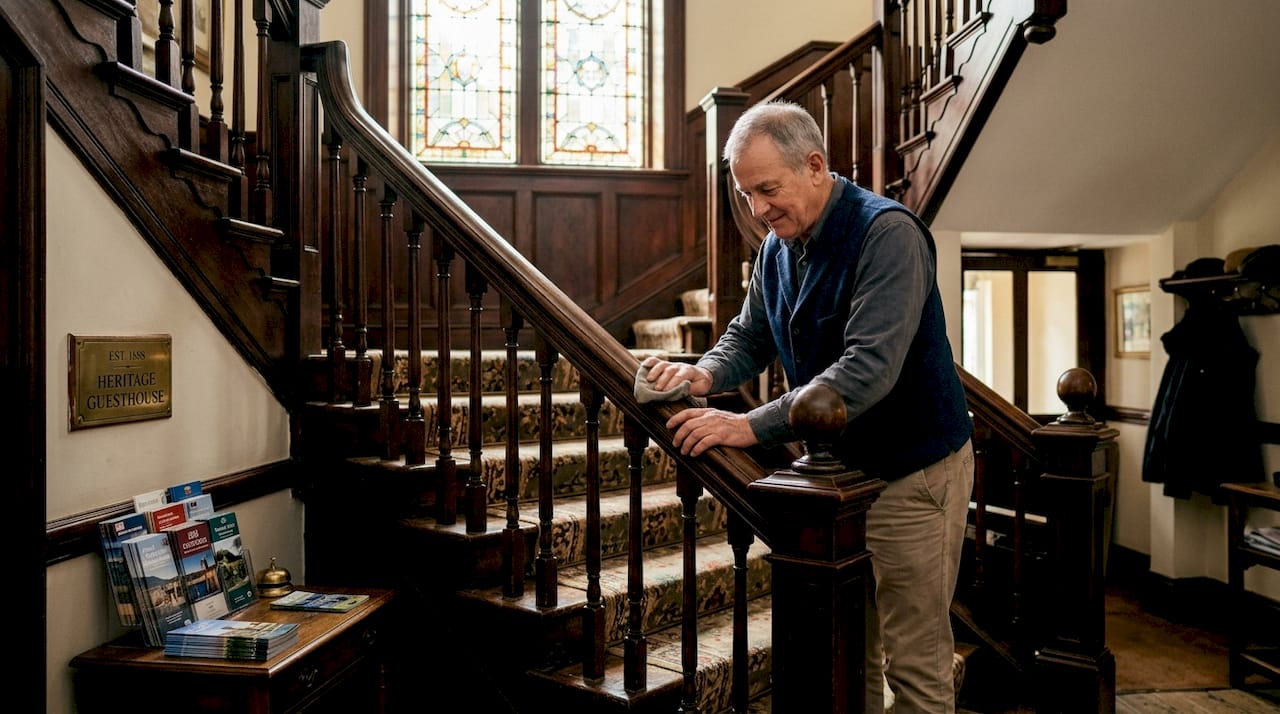
TL;DR:
Over 90% of luxury travelers prefer hotels with authentic history and culture.
Heritage accommodation involves restored buildings of genuine historical or cultural significance.
Authentic heritage stays offer immersive experiences that deepen cultural connection and support preservation.
Over 90% of luxury travellers now prefer hotels with authentic history and culture, which turns the assumption that modern comforts always win firmly on its head. This figure speaks to something deeper than nostalgia. People are increasingly choosing stays that tell a story, connect them to a place, and offer something no chain hotel ever could. Heritage accommodation sits at the heart of this shift. In this guide, we’ll explain exactly what heritage accommodation is, how properties earn that status, why travellers are drawn to it, and how the best examples balance preservation with genuine comfort. Whether you’re planning your next trip or simply curious, this is where the journey begins.
Table of Contents
Key Takeaways
Point | Details |
Living history | Heritage accommodation lets travellers stay in buildings rich with authentic stories, architecture, and local culture. |
Strict classification | Not all old buildings qualify—certified heritage status ensures true cultural value and ongoing preservation. |
Unique guest appeal | Guests flock to heritage stays for immersive experiences, personal service, and a tangible sense of place. |
Modern challenges | Balancing comfort with preservation requires innovative solutions and sometimes limits certain amenities. |
Smart comparison | Heritage accommodation stands apart from boutique, modern, and standard historic hotels for authenticity and uniqueness. |
Defining heritage accommodation
With the growing interest in authentic travel, understanding exactly what sets heritage accommodation apart is essential. The term gets used loosely, but it has a precise meaning. Heritage accommodation refers to lodging in buildings of historical, architectural, or cultural significance, often palaces, forts, or mansions that have been carefully restored for guest stays. The key word is restored, not rebuilt. These are not replicas or themed environments. They are the genuine article.
The origins of heritage accommodation as a formal concept trace back to government-led preservation efforts in countries like India, Portugal, and the United Kingdom, where historic estates were facing ruin. Rather than letting them crumble, owners were encouraged to open their doors to paying guests, generating income to fund ongoing conservation. The result was a new category of lodging that served both travellers and cultural heritage simultaneously.
What separates heritage accommodation from a standard historic hotel is the depth of its connection to place and story. A building can be old without being significant. Heritage properties carry provable links to local history, architecture, or culture, and that connection must be demonstrable, not simply claimed. Certified cultural significance and immersive experiences are what distinguish true heritage hotels from properties that merely describe themselves as historic.
Original features are central to this definition. Carved stonework, period fireplaces, hand-painted ceilings, and traditional courtyard layouts are preserved rather than replaced. Guests interact with these elements daily, not behind a velvet rope but as part of their living space. This is what makes heritage accommodation feel so different from even the most thoughtfully designed boutique hotel.
Feature | Heritage accommodation | Historic hotel | Boutique hotel |
Government certification | Yes | Rarely | No |
Original architectural features preserved | Required | Sometimes | Optional |
Cultural or historical narrative | Central | Incidental | Occasional |
Built as a hotel originally | No | Sometimes | Sometimes |
Immersive local experience | Core offering | Variable | Design-led |
“A heritage property is not simply an old building with a new bed. It is a living document of the culture that created it, and every room is a chapter.”
Understanding the nuances of hotel hospitality helps clarify why heritage accommodation occupies its own distinct category within the broader lodging landscape.
Categories and certification of heritage accommodation
Having outlined what heritage accommodation means, it’s important to understand how genuine heritage properties are verified and classified. Not every old building qualifies, and the certification process is deliberately rigorous.
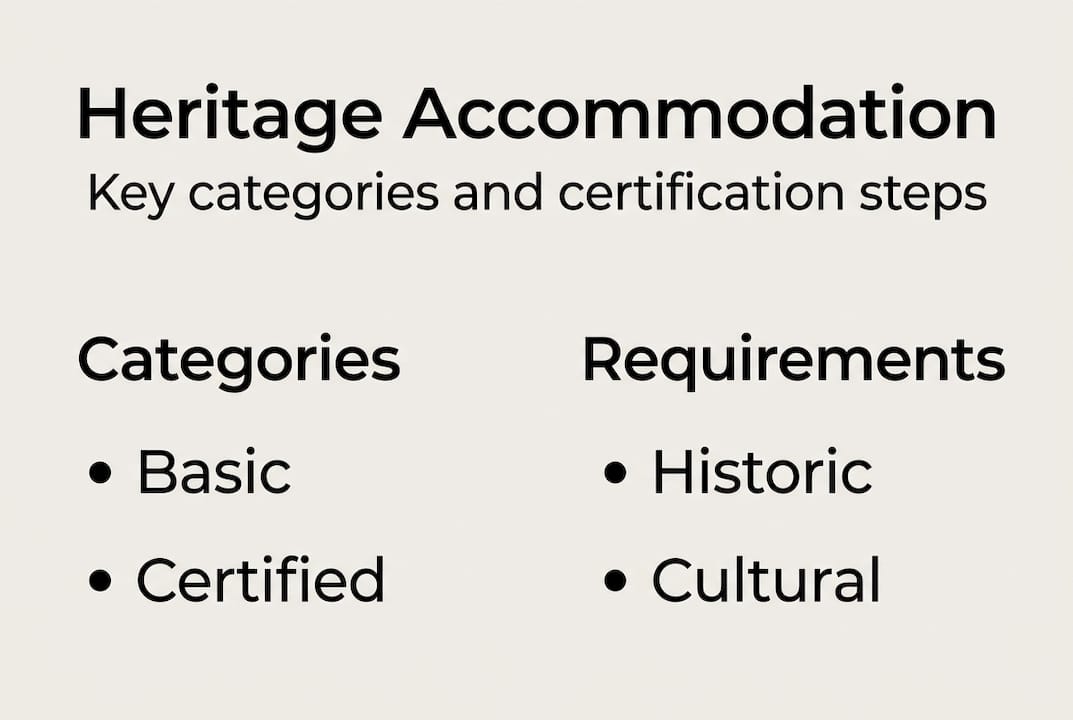
Classification includes Heritage Basic, Heritage Classic, and Heritage Grand, each with differing age thresholds and amenity standards. Heritage Basic properties are typically those constructed between 1935 and 1950, while Heritage Classic and Heritage Grand designations apply to buildings predating 1935, often with grander architectural scope and greater historical provenance. The number of rooms, the availability of traditional cuisine, and the preservation of original structural elements all factor into which category a property earns.
The certification process itself involves several stages:
Application submission with documented evidence of historical or architectural significance.
Government inspection by heritage or tourism authorities to verify original features and structural integrity.
Classification review against established criteria for age, room count, and preservation standards.
Ongoing compliance requirements, including restrictions on alterations and regular condition assessments.
Category | Minimum construction date | Key requirements |
Heritage Basic | Between 1935 and 1950 | Preserved features, minimum rooms |
Heritage Classic | Before 1935 | Greater architectural significance |
Heritage Grand | Before 1935 | Grand scale, exceptional cultural value |
Not all old buildings qualify, and that is precisely the point. Historical, architectural, or cultural significance must be provable through records, physical evidence, or both. A Victorian townhouse with original cornicing is not automatically a heritage property. The story it carries must matter to the broader cultural record.
Pro Tip: When researching a potential heritage stay, ask the property directly about its certification status and which authority granted it. Genuine heritage properties are proud of this distinction and will have documentation to share.
Government involvement also ensures that certification is not a one-time award. Properties must maintain their standards over time, which means ongoing investment in preservation. This creates a virtuous cycle: guests pay to stay, income funds conservation, and the building survives for future generations.
What makes heritage accommodation special for travellers
Now that you know how properties qualify, let’s look more closely at why travellers increasingly crave heritage stays. The appeal goes well beyond aesthetics.
Heritage accommodation delivers on the promise of living history. You are not observing the past through glass. You are sleeping in it, eating in it, and moving through spaces that shaped real lives. This is fundamentally different from a museum visit, and it is what over 90% of luxury guests who prefer hotels with history and culture are responding to.
The experiences on offer at heritage properties tend to reflect the local culture in ways that generic hotels simply cannot replicate:
Local cuisine prepared using traditional recipes and regional ingredients, often sourced from the estate itself.
Storytelling and guided tours led by staff who are deeply connected to the property’s history.
Traditional crafts and workshops that allow guests to engage with local artisanal skills.
Community engagement through partnerships with nearby villages, markets, and cultural events.
Unique architecture that makes every room genuinely different from the next.
Personalised hospitality is another hallmark. Because heritage properties are typically smaller and independently operated, staff often develop a genuine knowledge of guests’ preferences. This stands in sharp contrast to the scripted service of large chain hotels.
Pro Tip: If you want to get the most from a heritage stay, arrive with curiosity. Ask questions about the building, the family who once lived there, and the restoration process. Staff at genuine heritage properties love sharing these stories.
For travellers who value depth over uniformity, heritage accommodation offers something rare. You can explore the benefits of guest houses for a sense of how personalised lodging compares to standard hotels, or consider luxury stays in Elgin as an example of heritage-inspired hospitality done well. The benefits of staying in Elgin extend beyond the room itself, and for longer visits, extended stay benefits make heritage properties an even more rewarding choice.
Balancing heritage preservation with modern comfort
As alluring as authentic history is, it comes with modern-day challenges that owners and guests must carefully navigate. The tension between preservation and comfort is real, and how a property handles it says a great deal about its quality.
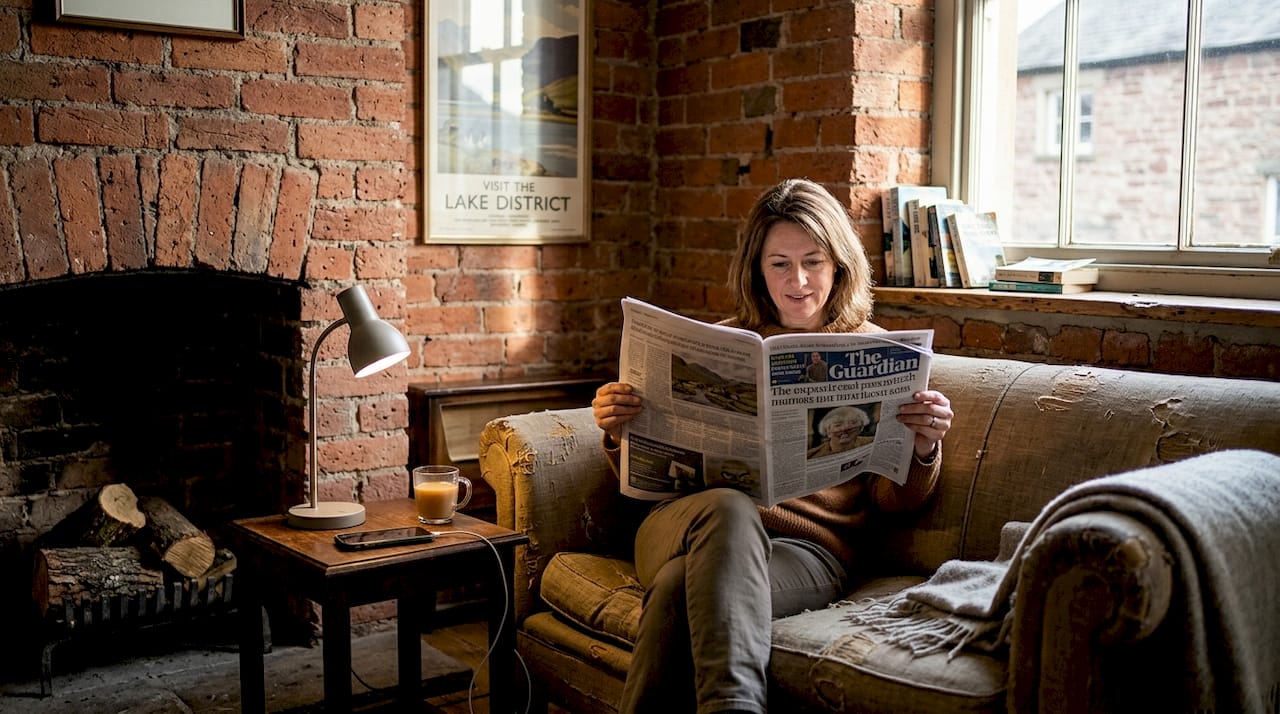
Balancing preservation with guest expectations, especially for WiFi, air conditioning, and accessibility, is a key challenge facing heritage operators. Listed building restrictions often prohibit drilling through original walls, installing visible cabling, or fitting modern HVAC systems that would alter the structure’s appearance. Creative solutions are therefore essential.
The most successful heritage properties use what the industry calls invisible upgrades:
Discreet WiFi routers concealed within period-appropriate furniture or fittings.
Removable air conditioning units that can be installed seasonally without permanent structural changes.
Accessible entrances created through secondary routes that preserve the original facade.
Underfloor heating in properties where original flooring has already been lifted for other reasons.
Period-style light fittings that house modern LED bulbs, reducing energy use without visual disruption.
Poor balance in this area can diminish both guest satisfaction and the building’s cultural worth. A heritage property that rips out original features to install a modern bathroom has undermined the very thing guests came to experience. Equally, a property that refuses all modern comforts risks becoming impractical for contemporary travellers.
“The best heritage restorations are invisible. You feel the history, but you never suffer for it.”
Pro Tip: Before booking, check whether the property lists its accessibility features and modern amenities explicitly. A heritage property that has thought carefully about guest amenities will be transparent about what it offers and where limitations exist. You can also explore how technology in guest houses is evolving to meet these challenges without compromising authenticity.
Heritage accommodation versus other lodging options
To make an informed choice, consider how heritage stays compare to other popular types of accommodation. The differences matter more than you might expect.
Heritage hotels differ from historic hotels by their certified cultural status and the depth of immersive experience they provide. A historic hotel may occupy an old building and trade on its age, but without formal certification and a demonstrable cultural narrative, it occupies a different category entirely.
Lodging type | Cultural certification | Immersive experience | Original features | Design focus |
Heritage accommodation | Yes | Deep | Preserved | Historic |
Historic hotel | Rarely | Moderate | Sometimes | Variable |
Boutique hotel | No | Design-led | Rarely | Contemporary |
Modern chain hotel | No | Minimal | No | Standardised |
The distinctions break down as follows:
Heritage accommodation prioritises cultural depth, certified significance, and the preservation of original features above all else.
Historic hotels may have an interesting past but often lack the formal recognition or commitment to immersive storytelling that defines heritage properties.
Boutique hotels excel at design and personalised service, but their connection to local history is usually incidental rather than central.
Modern and all-inclusive properties offer consistency and convenience, but the experience tends to feel interchangeable regardless of location.
For travellers who want something genuinely memorable, the choice becomes clear. Exploring premium guest service standards and broader hospitality insights can help you identify which properties are truly committed to the heritage experience and which are simply using the label.
Why true heritage stays are worth the search
Having explored the ins and outs, we want to share a perspective that often gets lost in the conversation about heritage travel. The value of a genuine heritage stay is not decorative. It is economic, cultural, and deeply personal.
Adaptive reuse and cultural authenticity lead to greater guest satisfaction and actively support local economies. When a heritage property thrives, it funds the preservation of buildings that would otherwise be lost, employs local people with specialist skills, and keeps traditional crafts and knowledge alive. Every night you spend in a heritage property is a small act of conservation.
The risk we see is that the term heritage becomes diluted by properties that adopt the aesthetic without the substance. Staged nostalgia, where old furniture is arranged for photographs but the building has no real story, is not heritage hospitality. It is theatre. Travellers who settle for this miss the genuine article entirely.
Our view is that the search for true heritage accommodation is always worth the extra effort. The properties that have earned their certification, preserved their features, and built their hospitality around authentic cultural connection offer something that cannot be manufactured. Prioritise substance over style, ask the hard questions before you book, and you will find stays that stay with you long after you’ve left.
Discover your next heritage-inspired stay
If you’re ready to experience the magic of heritage for yourself, the right stay could be just a click away. At Stag & Barrel, we understand that travellers seeking genuine cultural connection deserve lodging that reflects that ambition.
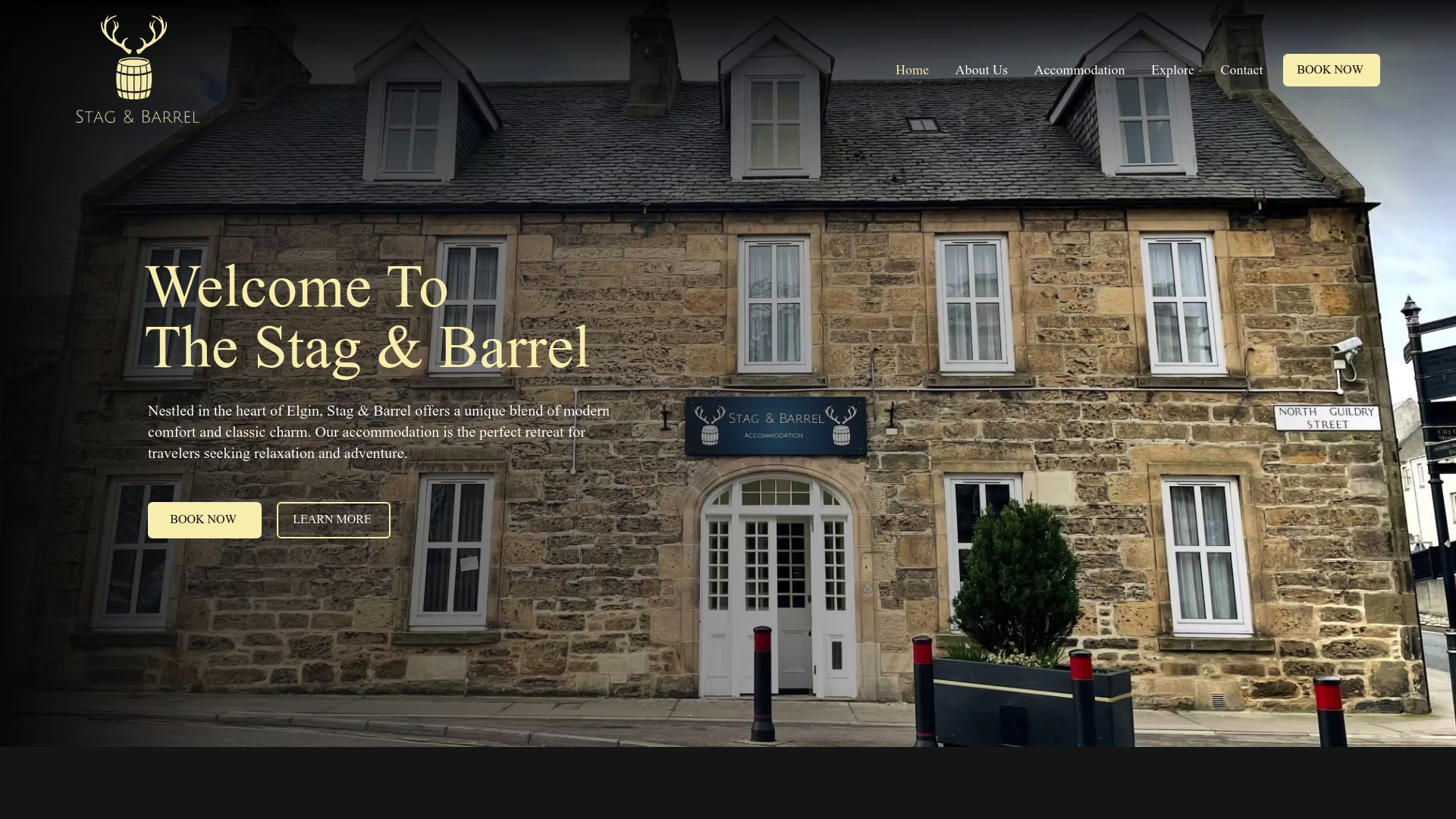
Our guest house draws on the warmth, character, and personalised hospitality that define the best heritage-inspired stays, without the velvet-rope formality. Whether you’re visiting for a weekend or an extended break, you’ll find a space that feels rooted in its surroundings. Book a heritage-inspired stay and discover what it means to sleep somewhere with a real sense of place. For more on what we offer and how we approach hospitality, learn more at Stag & Barrel and start planning a stay worth remembering.
Frequently asked questions
What qualifies a property as heritage accommodation?
To qualify, a property must be of recognised historical, architectural, or cultural significance and meet strict government certification standards based on age, room count, and preservation of original features.
Do heritage accommodations have modern amenities like WiFi?
Most heritage accommodations discreetly offer modern amenities, but some features may be limited by preservation rules. Balancing modern comfort with heritage authenticity remains an ongoing challenge for operators.
How is heritage accommodation different from boutique hotels?
Heritage accommodation features certified historical or cultural value, while boutique hotels typically focus on contemporary design and personalised service without formal heritage credentials.
Why are heritage stays becoming more popular?
Travellers increasingly value authentic experiences, with over 90% of luxury guests preferring hotels with genuine historical or cultural connections over standard modern alternatives.
Recommended
Comments