Essential guest safety tips for a secure, comfortable stay

Updated: Apr 22
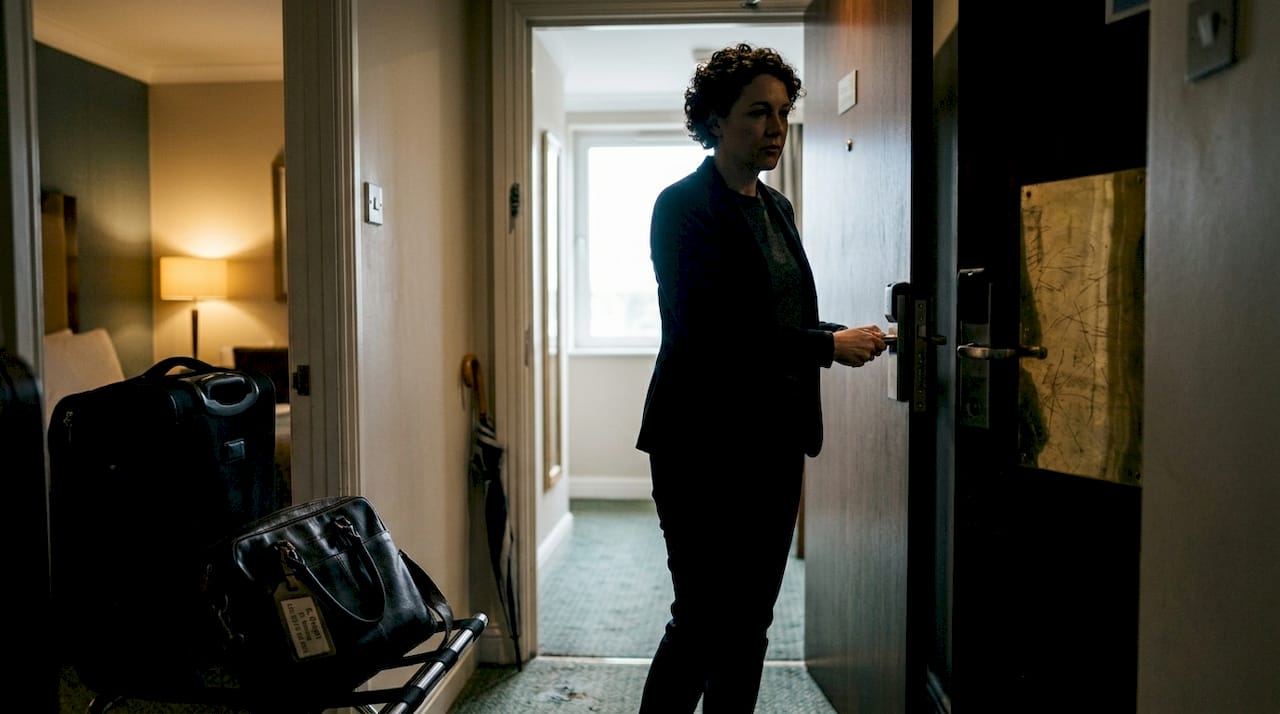
Staying in a guest house or hotel should feel like a genuine retreat, yet safety incidents are more common than most travellers expect. Theft alone affects 15% of hotel guests, with rates climbing 18% year on year and 70% of incidents occurring in shared common areas rather than private rooms. The good news is that a handful of deliberate, evidence-based habits can dramatically reduce your risk. This guide walks you through every layer of guest house safety, from choosing the right room to protecting your digital privacy, so you can focus on enjoying your stay rather than worrying about what might go wrong.
Table of Contents
Key Takeaways
Point | Details |
Choose the right room location | Rooms between the third and sixth floor, away from lifts and busy areas, increase safety. |
Double-lock and verify access | Always use all locks and check identities before opening doors to anyone. |
Safeguard valuables and privacy | Use safes and never leave personal items visible or unattended inside your room. |
Be vigilant in shared spaces | Keep belongings close and avoid discussing your room number or plans in public areas. |
Practise digital and situational awareness | Protect data with a VPN and make a habit of scanning your surroundings to stay secure without anxiety. |
Identify and choose safer guest rooms
The moment you confirm a booking, you already have your first opportunity to improve your safety. Room location is not just a comfort preference; it is a genuine security decision that many guests never think to make.
Rooms on floors three to six sit in a practical sweet spot. They are high enough to deter opportunistic criminals who prefer easy ground-level access, yet low enough to remain within reach of fire ladders and emergency exits. Floors 3 to 6, away from lifts and high-traffic corridors, consistently offer the best balance of security and accessibility. It is a simple request that costs nothing but can make a meaningful difference.
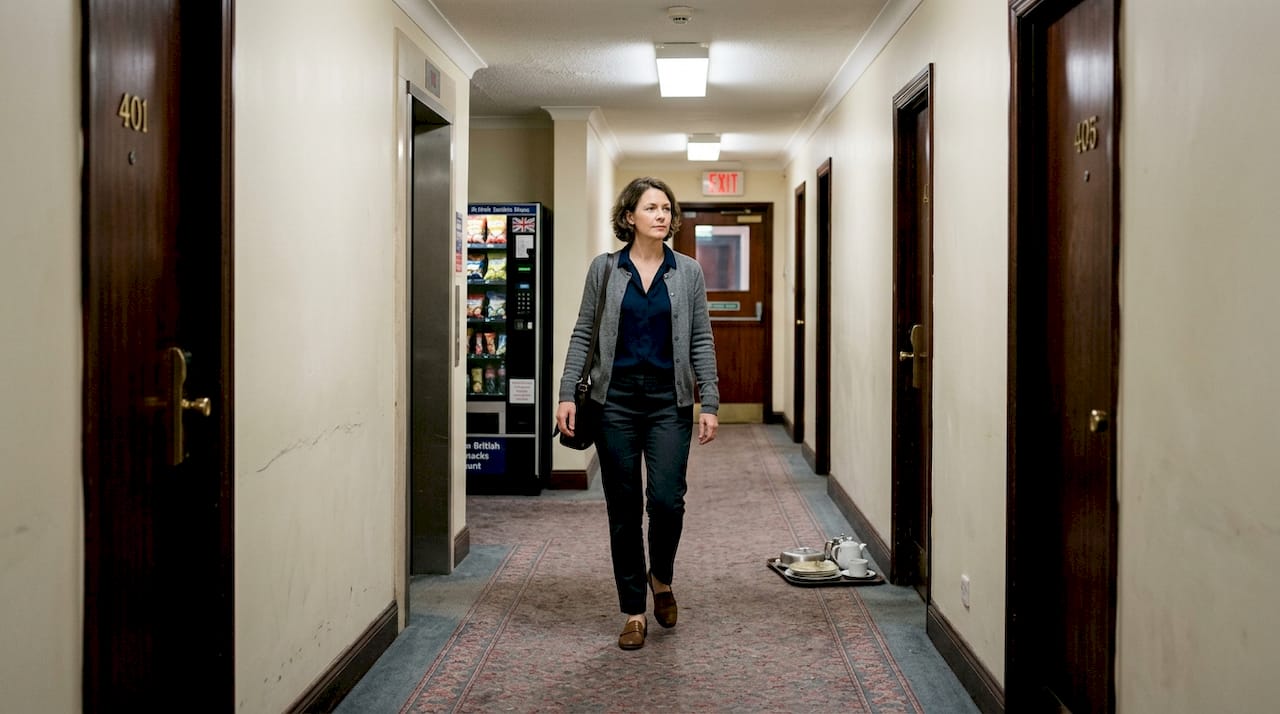
Beyond floor level, pay attention to where your room sits on the corridor. Rooms near lifts, vending machines, or stairwells see far more foot traffic throughout the night. That constant movement creates more opportunities for someone to loiter unnoticed. A room tucked further along a quieter corridor is naturally less exposed.
Lighting matters too. When you first arrive, take a moment to assess the corridor outside your room. A well-lit hallway discourages opportunistic behaviour and helps you notice anyone acting suspiciously. If the lighting seems poor, mention it to staff straight away. Most guest houses will address it promptly.
Here is what to look for when selecting or requesting a room:
Floors three to six for the best security and fire-escape balance
Away from lifts, stairwells, and vending areas
Well-lit corridors with no obvious blind spots
Rooms not directly facing the car park or street level
A door with a visible, intact peephole
Pro Tip: Book early and include a note about your safety preferences in the booking request. A secure hotel booking made in advance gives staff time to accommodate your needs before you arrive, rather than scrambling at check-in. Keeping an eye on guest house trends also helps you identify properties that are actively investing in modern safety features.
Secure your room: doors, locks, and beyond
Once you have chosen a safe room location, the next step is making the most of what is already inside it. Most guest rooms come equipped with multiple locking mechanisms, and yet a surprising number of guests use only one.
The moment you enter your room, engage every lock available. That means the deadbolt, the chain, and the latch. Using all door locks, including deadbolt, chain, and latch, along with a portable doorstop or wedge, creates a layered barrier that is far harder to breach than a single mechanism. A portable door wedge is inexpensive, weighs almost nothing in your bag, and adds a physical resistance that no keycard override can defeat.
Here is a step-by-step routine to secure your room each time you return:
Close the door firmly and confirm it has latched fully.
Engage the deadbolt.
Slide the chain or latch into place.
Place your door wedge at the base of the door.
Check the peephole is intact and unobstructed.
Never open your door to someone you do not recognise. If a person claims to be a member of staff, verify by calling the front desk from the room phone before opening the door. This is not rudeness; it is standard practice, and any legitimate member of staff will understand completely.
“A locked door is your first line of defence. A verified identity is your second. Never skip either.”
Pro Tip: If you notice the peephole is damaged or covered from the outside, do not ignore it. Cover it from your side with a small piece of tape, report it to the front desk immediately, and request either a repair or a room change. A compromised peephole is a genuine security concern. For a deeper look at how guest house security works from the property’s side, it helps to understand what good operators do to protect you. You can also explore privacy in guest houses for additional context on what standards you should expect.
Protect your valuables and personal privacy
Physical security is only part of the picture. What you do with your belongings and how you handle personal information during your stay matters just as much.
Theft accounts for 62% of property crimes in hotel rooms, and an estimated 30% of incidents go unreported to police, meaning the real figures are likely higher. Prevention is far easier than recovery.
Never leave valuables in plain sight, even if you are only stepping out for a few minutes. A laptop on the bed, a watch on the nightstand, or cash on the table are all unnecessary invitations. Store valuables in the in-room safe or request a secure deposit box at reception. Passports, jewellery, and spare cash belong in a safe, not in a bag left on the floor.
Privacy extends beyond physical objects. Keep your room number private and be aware of who might overhear you discussing it. A good guest house will never announce your room number aloud at reception; if yours does, ask them to write it down instead.
Valuables category | Recommended storage | Risk if left unsecured |
Passport and travel documents | In-room safe or front desk | Identity theft, travel disruption |
Cash and cards | In-room safe | Immediate financial loss |
Electronics (laptop, tablet) | In-room safe or locked bag | Data theft, financial loss |
Jewellery | In-room safe or deposit box | Permanent loss, sentimental damage |
Spare keys and keycards | On your person | Unauthorised room access |
For further reading on what privacy essentials look like in practice, it is worth reviewing what reputable guest houses should be doing on your behalf.
Stay alert in public and digital hotel spaces
With your private space secured, the shared areas of a guest house present their own set of challenges. Lobbies, lounges, dining areas, and car parks are where most incidents actually occur.
70% of hotel thefts happen in common areas, not in rooms. That statistic alone should shift how you think about your behaviour the moment you step away from your door. Never leave a bag, phone, or jacket unattended at a breakfast table or reception desk, even briefly.
Lighting is a significant factor. Poor lighting triples assault rates in and around hospitality properties. If an area of the guest house feels dimly lit or isolated, particularly at night, either avoid it or report it to staff.
Digital safety is equally important and often overlooked. Hotel WiFi without a VPN exposes your data to potential interception. Cyber breaches affecting guest data are a growing concern across the hospitality sector. Always use a VPN for any sensitive browsing, and log out of smart TVs, shared computers, and any hotel device after use.
Never leave bags unattended in lobbies or dining areas.
Use a VPN on hotel WiFi for any personal or financial activity.
Log out of every shared device and smart TV before leaving.
Avoid poorly lit areas, particularly after dark.
Scan your surroundings when entering and leaving the building.
Behaviour | Safe approach | Risky approach |
WiFi use | VPN enabled, logged out after | Open connection, saved passwords |
Bag management | Between feet or in hand | Left on chair or floor nearby |
Room number | Written discreetly | Said aloud at reception |
Lighting awareness | Avoid dim areas at night | Ignore surroundings |
Pro Tip: At check-in, keep your bag between your feet and scan the lobby as you wait. This is a habit recommended by security professionals and costs nothing. For more on digital check-in safety and what to look for in modern guest houses, it is worth knowing what best guest amenities actually include from a safety standpoint.
Expert perspective: beyond basic safety, what most guests overlook
Most travel safety advice stops at checklists. Lock the door. Use the safe. Fine. But the guests who genuinely feel at ease throughout their stay are practising something subtler: situational awareness.
A Navy SEAL approach to hotel security is not about paranoia. It is about scanning the lobby when you arrive, trusting your instincts when something feels off, and positioning yourself and your belongings thoughtfully. These are small, quiet habits that become second nature within a single trip.
Many guests overlook genuinely impactful micro-behaviours. Keeping your voice low when discussing your room. Watching for tailgaters as you enter a secure corridor. Knowing where the nearest exit is before you need it. None of this requires anxiety; it simply requires a moment of attention.
If someone jiggles your door handle at night, the right response is calm and methodical: verify via the front desk, secure your locks, and be ready to act if needed. Panic is the enemy of good decision-making. A basic plan, rehearsed in your head before you sleep, is worth more than any gadget.
Safety is not a burden when it becomes a habit. It is what allows you to genuinely relax, knowing you have taken reasonable, proportionate steps. Explore more on hospitality and safety standards to understand what well-run properties are legally and ethically obliged to provide.
Stay safe and comfortable with Stag & Barrel
Knowing what to look for in a safe guest house is only half the work. The other half is choosing a property that takes these responsibilities seriously on your behalf.
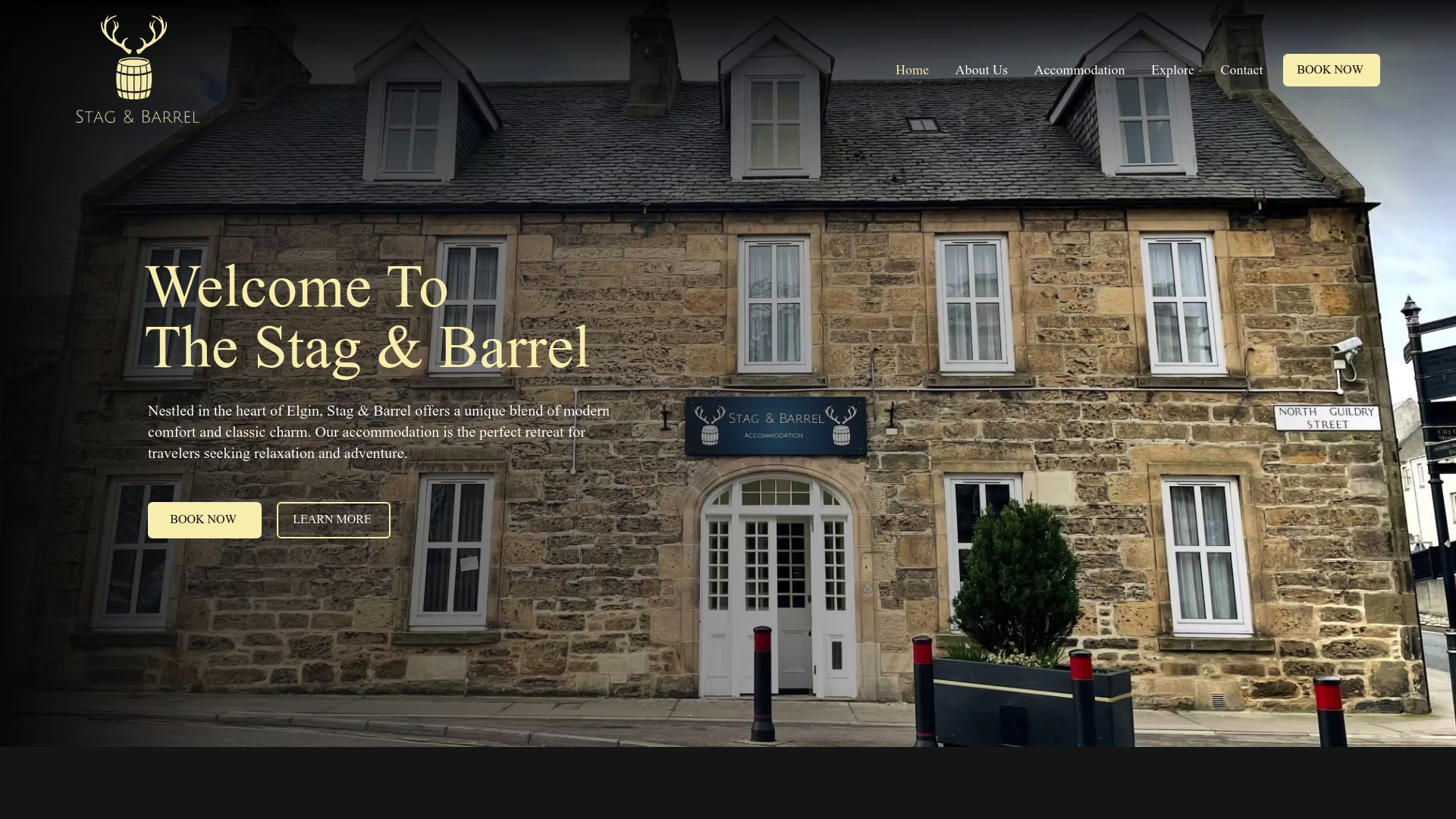
At Stag & Barrel, safety and comfort are built into every aspect of the guest experience. From well-lit corridors and attentive staff to modern room security and discreet, professional service, every detail is considered with your peace of mind in mind. Guests consistently highlight the warmth of the hospitality alongside the reassurance of knowing their stay is genuinely well managed. Book directly with Stag & Barrel for the best available rates, personal service, and the confidence that comes from staying somewhere that genuinely cares about your security and comfort.
Frequently asked questions
Which hotel floor is safest for guests?
Floors 3 to 6 are generally safest, offering protection from street-level threats while remaining within reach of fire escape equipment and emergency services.
How can guests safeguard valuables in a hotel?
Use the in-room safe or front desk deposit box for passports, cash, and electronics, and never leave items unattended even for a short time.
What should I do if I feel unsafe in my hotel room?
Stay calm, engage all locks, and call the front desk immediately. If the situation escalates, be prepared to barricade or escape depending on the nature of the threat.
Is hotel WiFi safe to use for personal transactions?
Hotel WiFi carries real risks; avoid it without a VPN and always log out of any shared device or smart TV after use to protect your personal data.
Recommended


Comments